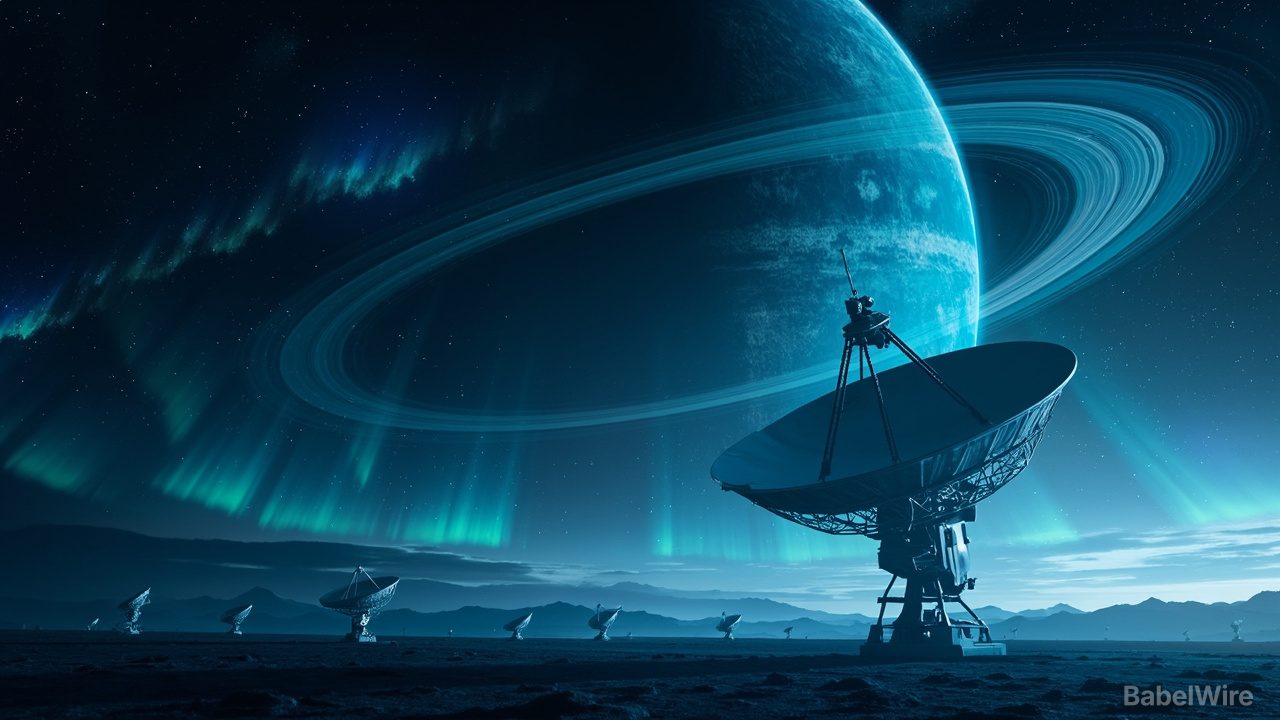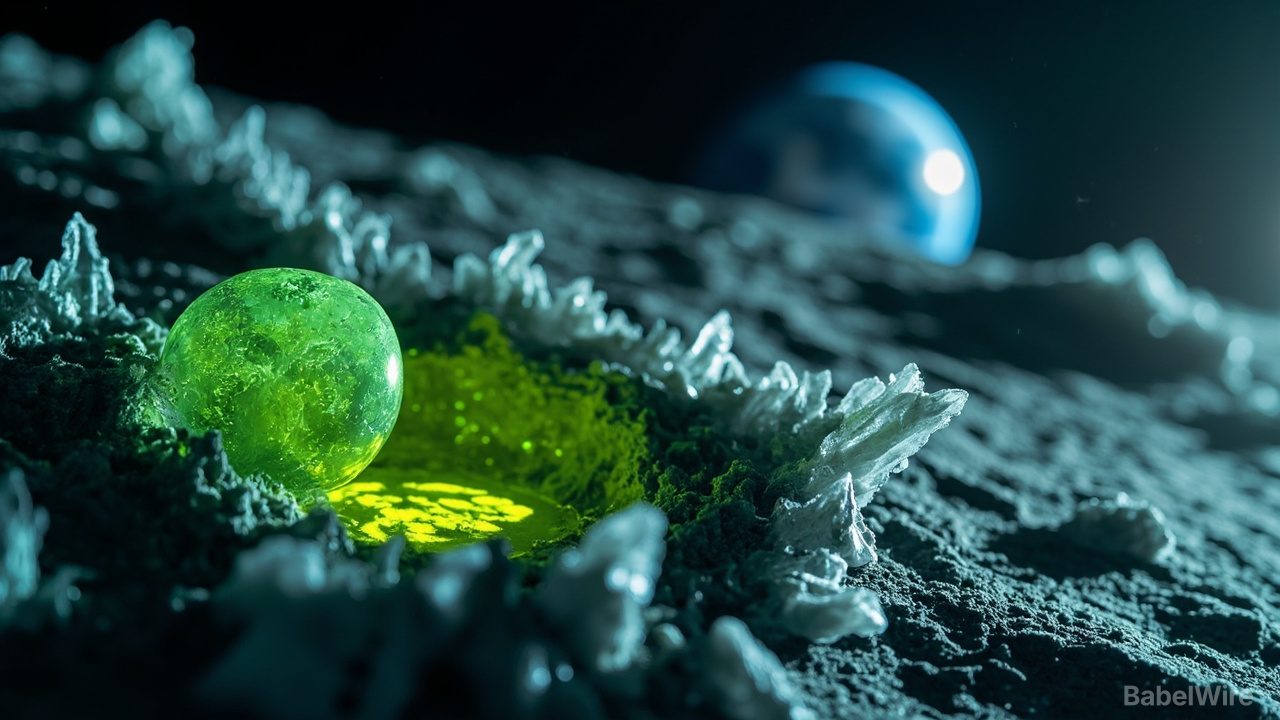
A new study led by NASA and the University of Maryland has found that five common microorganisms found on Earth could survive in the permanently shadowed regions (PSRs) of the Moon's south pole — a finding with major implications for planetary protection and the integrity of upcoming lunar exploration missions.
The Experiment
Researchers exposed five microorganisms — the fungus Aspergillus niger, the fungus Fusarium oxysporum, and three bacterial species — to conditions mimicking the lunar south pole: extreme cold, vacuum, radiation exposure, and temperature cycling. The organisms were tested in various combinations of these stressors.
Key Findings
- Aspergillus niger was the most resilient, showing the ability to survive under multiple combinations of lunar south pole conditions - Fusarium oxysporum showed similar resilience, though not quite to the same extent - All five organisms could enter cryptobiosis — a state of suspended animation similar to tardigrades' famous survival mechanism — allowing them to persist in extremely hostile environments
Both lunar poles likely contain areas where these conditions overlap, creating niches where terrestrial microbes could survive indefinitely.