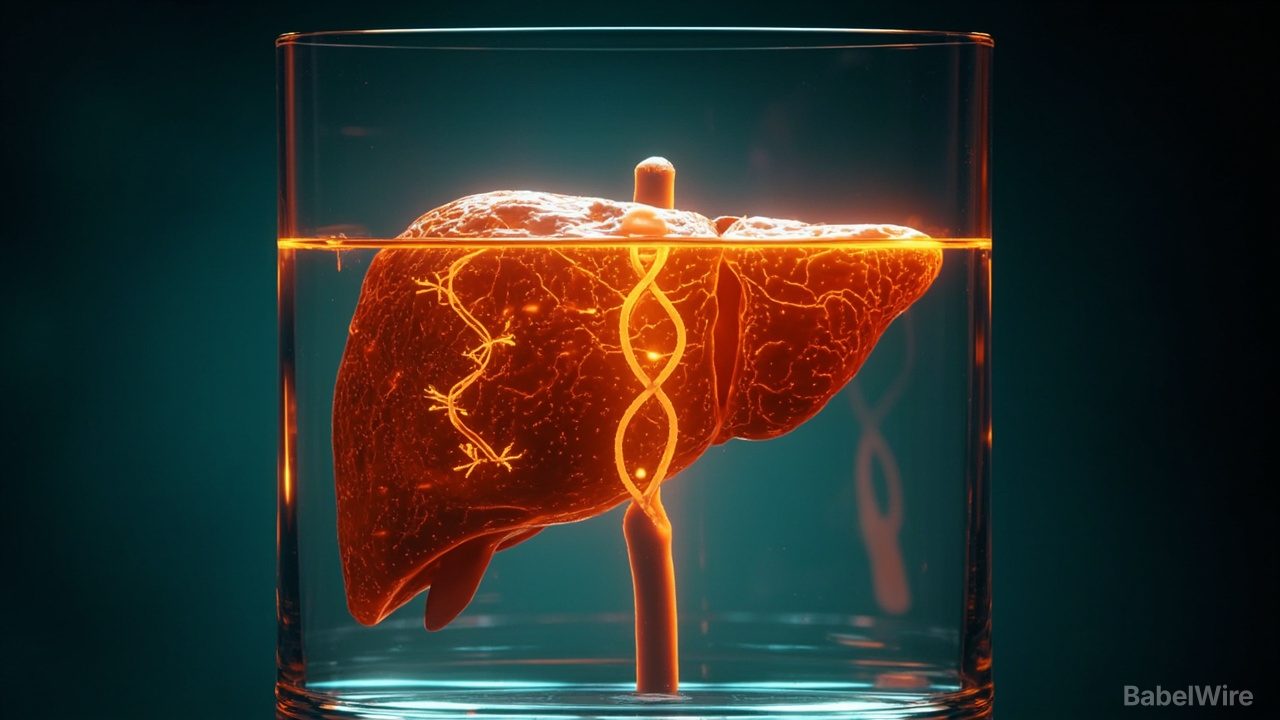
Gene editing tools get the attention, but the cell's own repair machinery does the actual editing, Quanta Magazine argues in a new feature. When a tool such as CRISPR-Cas9 cuts DNA at a chosen spot, the cut is only the first half of the process. The second half is repair: the cell detects the severed ends and rebuilds them using its own pathways, and which pathway it chooses determines the outcome of the edit.
Cells mainly mend double-strand breaks in two ways. One route reconnects the ends quickly and roughly, often leaving small insertions or deletions that switch a gene off — the workhorse of gene disruption. The other copies the missing sequence from a matching template and restores it faithfully, which is what makes precise corrections and insertions possible. The editing tool creates the opportunity; the repair system decides whether the result is a blunt fix or a precise one.
That division of labor is why repair has become a central target for improving editing. Rather than only engineering better cuts, researchers try to influence which repair path a cell takes after the cut, steering edits toward the accurate route instead of the fast one. The feature presents the machinery as both the constraint and the engine of the field: ancient, elegant, and the reason a molecular cut can become a lasting change in a genome.