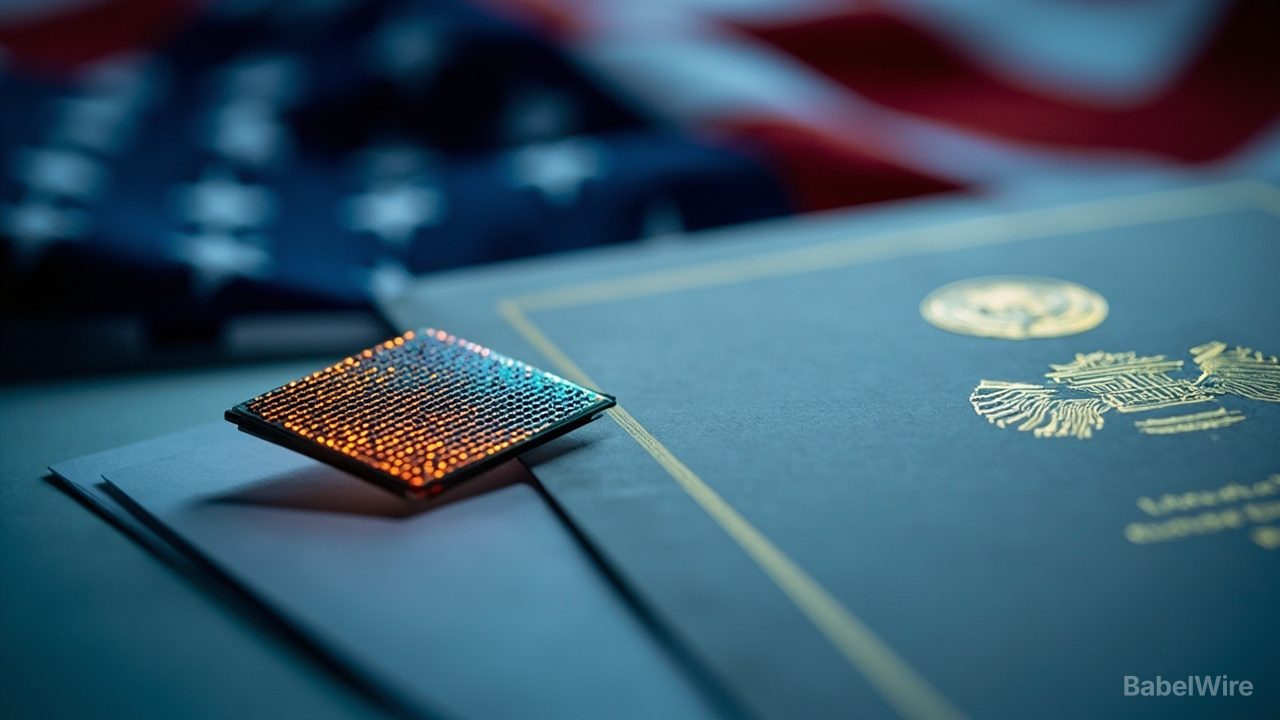
The United States is preparing a new wave of regulatory action targeting artificial intelligence and semiconductor exports, a senior Commerce Department official said on Tuesday, signaling that the Trump administration intends to maintain — and potentially tighten — the previous administration's controls on advanced technology.
Jeffrey Kessler, a Commerce Department official who oversees export controls, made the remarks during a hearing in Washington. He confirmed that the Trump administration does not plan to replace the Biden-era AI Diffusion Rule, which established a global framework capping AI chip shipments that certain countries could receive.
Continuity Amid Political Transition
The announcement marks a significant policy continuity between the Biden and Trump administrations on the critical question of technology transfer to strategic competitors. The AI Diffusion Rule, introduced in the final months of the Biden presidency, created a tiered system classifying countries based on their access to advanced AI chips — a system that has been controversial among U.S. allies and chip manufacturers alike.
Kessler's statement suggests that far from loosening these controls, the current administration sees them as a baseline that may require further strengthening as AI capabilities accelerate.
What's Coming?
While Kessler did not provide specific details on the scope or timing of the new regulations, his comments indicate that additional restrictions on both AI model exports and semiconductor equipment transfers are being developed. The semiconductor industry, already navigating supply chain complexities and soaring demand driven by AI, now faces a new layer of regulatory uncertainty.
The announcement comes on the same day Wall Street banks declared an AI "super cycle" (see related story), highlighting the tension between the booming AI industry and the government's determination to control the flow of its key enabling technologies.
Global Implications
The move carries significant implications for global technology supply chains. Countries classified in lower tiers under the AI Diffusion framework — including China — face restricted access to advanced chips. Industry observers say additional regulations could further reshape the global semiconductor landscape, potentially accelerating efforts by affected nations to develop domestic alternatives.
Commerce Department officials have previously cited national security concerns as the primary motivation for export controls, arguing that advanced AI capabilities could enhance the military and surveillance capacities of adversarial nations.
The hearing at which Kessler testified is part of a broader congressional review of U.S. technology export policy, with additional sessions expected in the coming weeks.