Cancer cells rely on powerful genetic switches to keep growth genes running at full speed — but that intense activity can damage their own DNA, according to a new study from the Hebrew University of Jerusalem published in Science Advances.
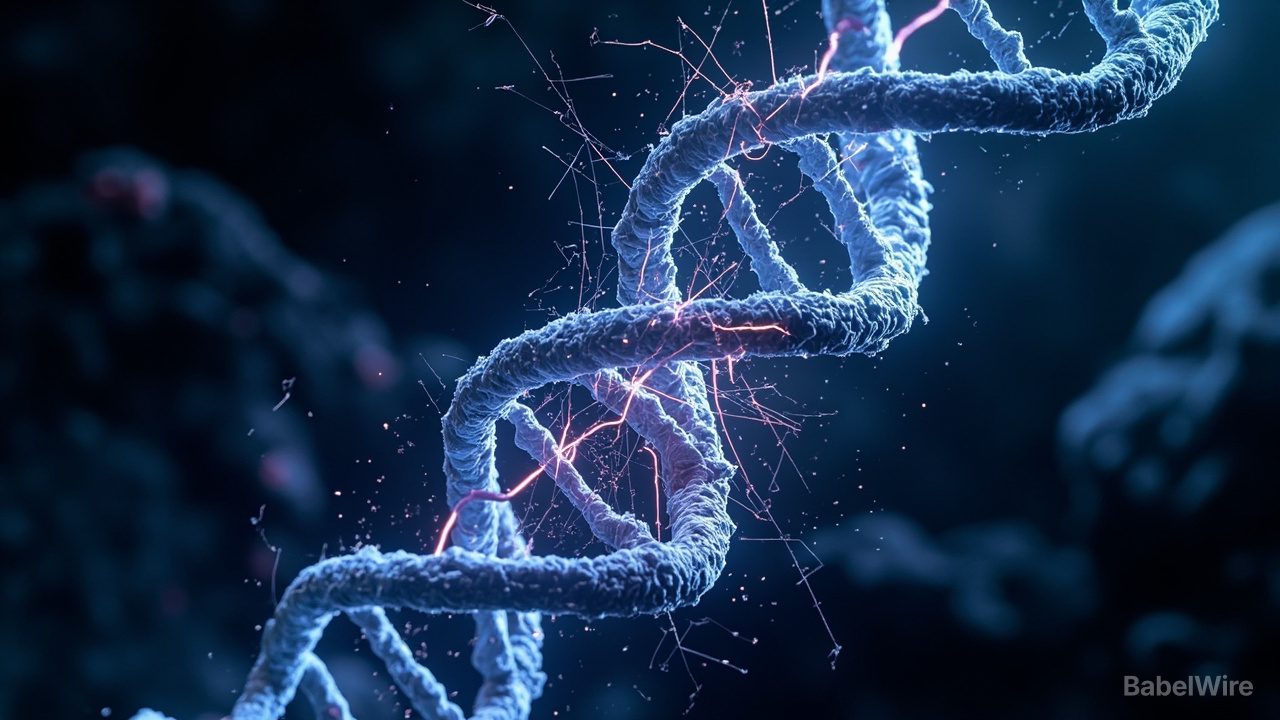
The research, led by PhD student Osama Hidmi under Prof. Rami Aqeilan, focused on super-enhancers, sections of DNA that act as powerful control panels driving cancer-promoting programs at very high levels. Using a sensitive genome-mapping method, the team created detailed maps of where double-strand breaks — among the most severe forms of DNA damage — occur across the cancer genome.
The damage did not appear randomly. Breaks clustered inside genes controlled by super-enhancers, suggesting that forcing certain genes to remain continuously active puts enough pressure on the DNA to snap it. Cancer cells repeatedly damage and restore DNA within these regions, and every repair creates an opportunity for small errors that allow mutations to accumulate over time.
"Cancer cells rely on super-enhancers to keep growth genes running at high speed," said Prof. Aqeilan. "What we found is that this same high-output activity can put real strain on the DNA, creating break hotspots that the cell has to repair again and again. That cycle may help tumors survive in the short term, but it also increases the risk of mutations that can fuel cancer's evolution."
The finding suggests genetic instability may not just be a side effect of cancer — in some cases it could emerge directly from the intense gene activity tumors require to keep growing. As mutations build up, cancer cells can develop new traits that help them spread, withstand stress or resist treatment.
But the same dependence may be a weakness. "Because cancer cells depend on these high-stress DNA regions to keep growing, they may also be more vulnerable there," added Hidmi. "This opens the door to treatments that target the very processes tumors rely on to survive." Therapies might eventually disrupt the intense gene activity driven by super-enhancers or block tumor cells from repairing the resulting DNA damage.