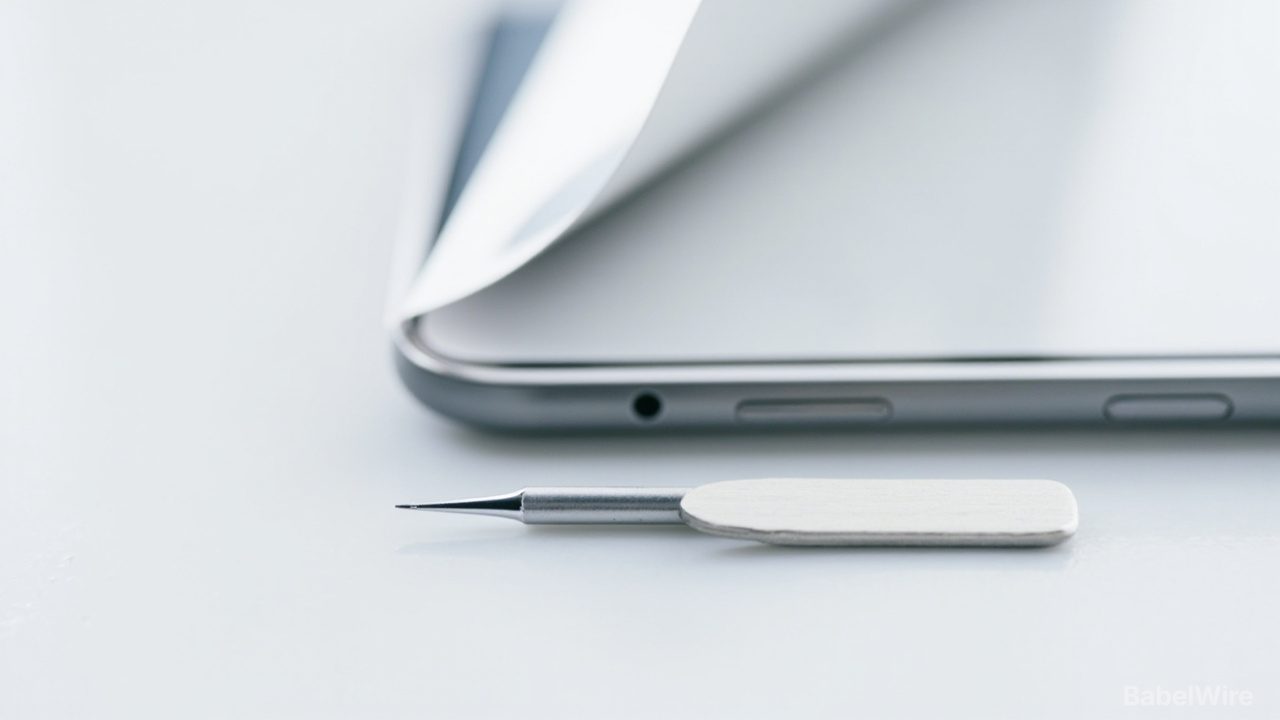
Apple's first foldable arrives next month, and the company is already explaining what happens when it wears. The iPhone Duo's display is covered by a matte nano-texture top layer whose job is to disguise the crease running down the middle of the folding screen. Kate Bergeron, Apple's vice-president of hardware engineering, said in an interview that the layer is meant to be removable: when it stops hiding the fold, it can be peeled off and replaced.
Apple's support site lists the price of that replacement in the United States at $19 — but only under AppleCare+. The cost without the coverage plan has not been published, and German pricing has not been announced either. The swap, the company's German-language documentation suggests, will be handled by Apple Stores and authorised service partners rather than at home.
Context for that number matters. Battery replacements under AppleCare+ are free when capacity falls below 80%; repairs to the front or back glass run $29 each; damage to the inner display or other accidental damage is subject to a $99 excess. Against that table, $19 is cheap — which is precisely what has set off debate.
The question in user forums is why a company would advertise a component's replaceability before the device is even on sale. One reading is generous: Apple engineered the layer to last and is telling buyers there is a remedy when it does not. Another is less so — that the company is getting ahead of an expected wear pattern, particularly once Apple Pencil support arrives on both screens later this year, raising the prospect of a stylus tip dragging across a soft matte surface.
Either way the disclosure is unusual for a launch, and it lands on a device Apple can least afford to have look fragile. Pre-orders for the iPhone Duo open on Friday, 16 October, with general availability a week later on 23 October, and early testers have already flagged misgivings about the inner camera and the dock experience.