Apple refreshed the iMac with its M6 chip on Tuesday, a day before the company's "Pro and Tell" event, giving its all-in-one desktop the same silicon it shipped in the Mac mini in August. Prices start at $1,499; in Turkey the machine goes on sale from 104,999 TL.
The jump is larger than the calendar suggests. Apple skipped the M5 generation on this product entirely — the last iMac refresh was the colorful M4 redesign two years ago. The base M6 configuration starts at a 10-core CPU and 10-core GPU, up from the 8-core CPU on the entry M4 iMac. The Verge describes the M6 as Apple's first 2nm chip, built around a dual 16-core Neural Engine, which is the part Apple is selling hardest: the company claims up to 5x faster on-device AI work than the M4 model, up to 2.5x faster Excel on an M1 comparison, and up to 3.3x faster photo editing.
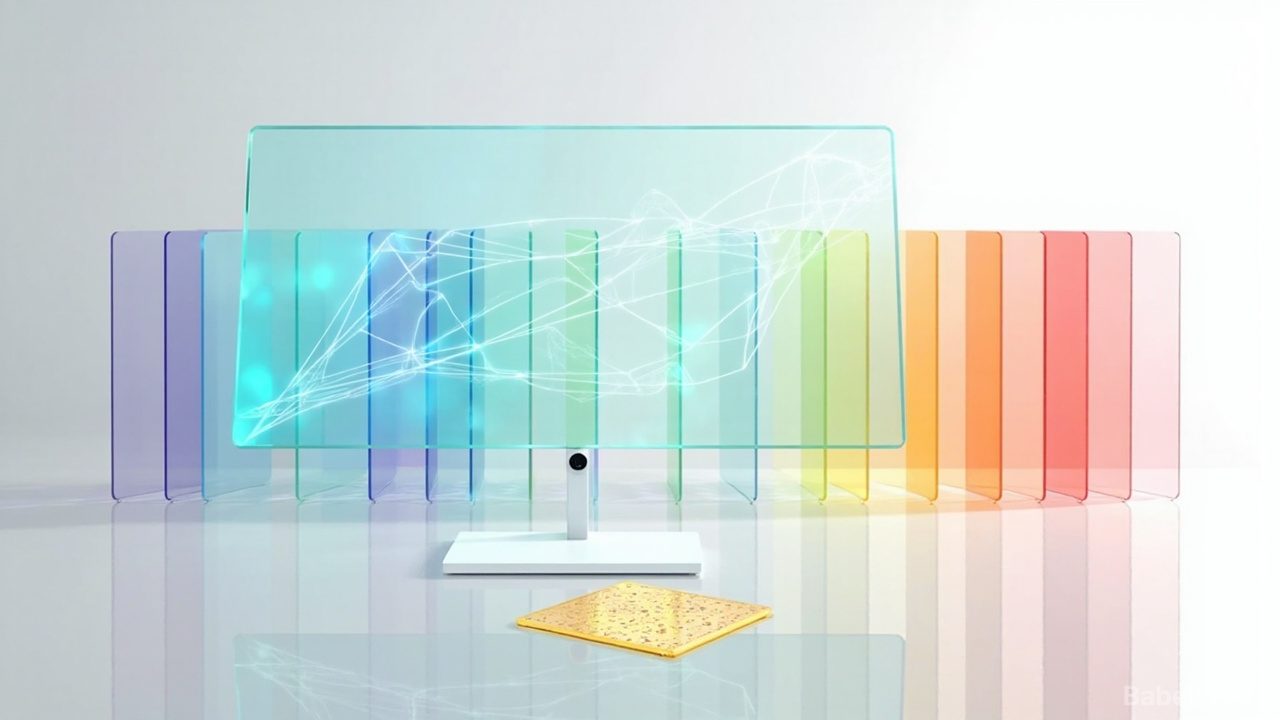
The rest is a careful refresh rather than a redesign. The 24-inch 4.5K Retina display stays at 500 nits, the seven-color palette stays, and the thin chassis stays. Connectivity moves up: Wi-Fi 7, Bluetooth 6, up to four Thunderbolt 4 ports, support for two 6K external displays, an optional 2.5 Gigabit Ethernet that Apple says is 2.5x faster than the previous generation, and doubled SSD read and write speeds. The 12MP Center Stage camera and Desk View return, as does the color-matched Touch ID keyboard.
Software is where the AI pitch lands. The iMac ships with macOS 27, and Apple is leaning on Apple Intelligence and a revised Siri that can answer questions about messages, mail and photos, act on what is on screen, and help draft text. Safari gains tab grouping by topic and change alerts for price drops and restocks; Shortcuts can build automations from a plain-language description.
A 14-inch MacBook Pro with the M6 was announced the same day, according to TechCrunch, which puts the laptop line on the same chip as the desktop rather than a generation ahead. Preorders for the iMac open October 28, with sales starting November 6.
Why it matters: 2nm is a manufacturing milestone, not a marketing one — it is the first time Apple's volume desktop part is built on the node that will define its next several years of chips. But the more consequential detail is the Neural Engine doubling. Apple's desktop story is no longer about raw CPU speed; it is about how much model inference can happen locally, on a machine that never sends the prompt anywhere. At $1,499, that is also the cheapest way into Apple's new silicon generation.