The Case Reaches the Supreme Court
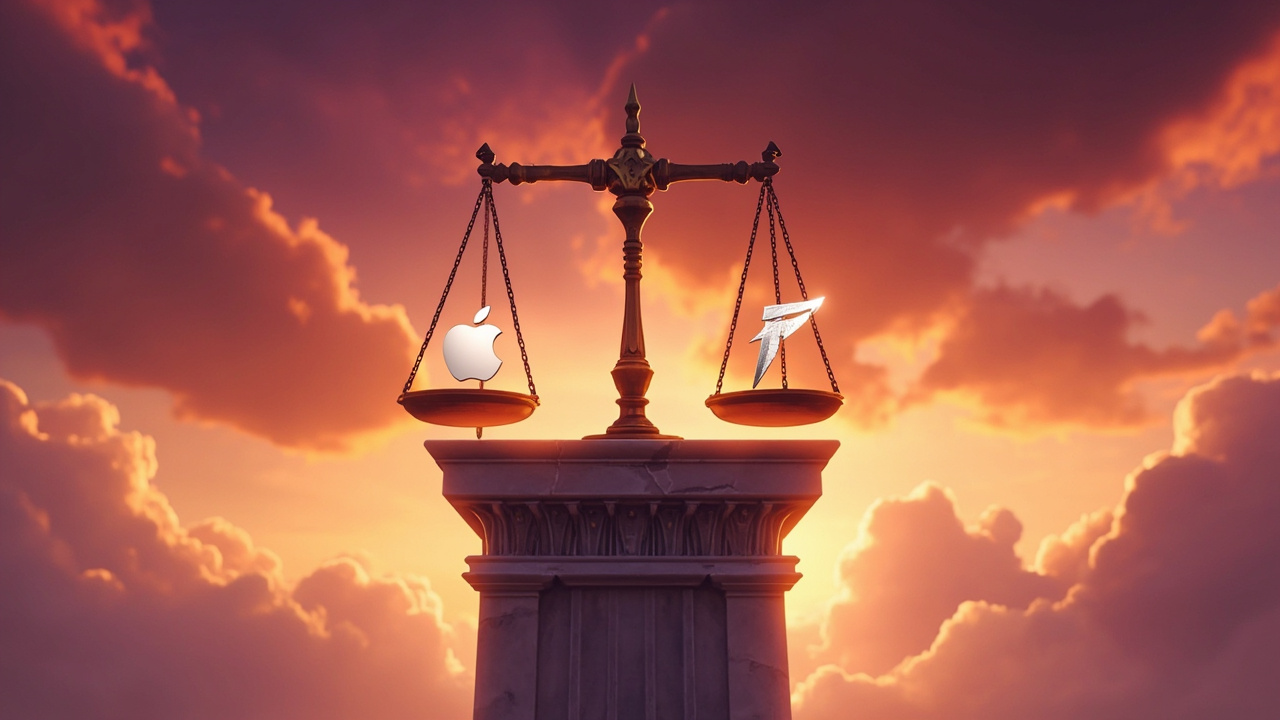
The United States Supreme Court has agreed to hear Apple's appeal against a contempt ruling that forced the company to overhaul its App Store linking rules, according to reports confirmed on June 30.
The decision marks a pivotal escalation in the long-running antitrust battle between Apple and Epic Games, the maker of Fortnite. The Supreme Court will hear the case in its next term beginning October 2026.
In a statement to MacRumors, Apple called the development "welcome news," saying the case involves "an important question of law."
How We Got Here
The dispute traces back to 2020, when Epic Games deliberately bypassed Apple's in-app payment system, triggering a lawsuit. While Apple largely won the original 2021 ruling — the court found it had not violated antitrust law — Judge Yvonne Gonzalez Rogers ordered Apple to relax its "anti-steering" rules, allowing developers to link to alternative payment options within their apps.
Apple complied, but charged a 12 to 27 percent commission on transactions made through those links — only slightly less than the standard 15 to 30 percent. After accounting for payment processor fees, developers saw little benefit, and few adopted the alternative system.
Epic challenged this, arguing Apple was violating the spirit of the injunction. In April 2025, the district court agreed, holding Apple in contempt. The judge barred Apple from collecting any fees on link-out transactions, forcing a genuine change to App Store policy.
The Core Legal Question
Apple's appeal rests on two key arguments:
First, Apple contends the contempt ruling was legally flawed because the original 2021 injunction did not explicitly bar Apple from charging fees on link-outs. The company argues that a contempt finding based on the "spirit" rather than the letter of an order is "a recipe for abuse."
Second, Apple is challenging the scope of the injunction, arguing it should apply only to Epic Games — not to all developers. The company is leaning on a recent Supreme Court ruling (Trump v. CASA) that restricted lower courts' ability to issue universal injunctions that block nationwide policies.
Apple told the court that the contempt ruling and universal scope "have combined to create an injunction that may reshape the global app marketplace."
What Happens Next
While Apple awaits the Supreme Court's decision, the case returns to district court for fee calculations. The appeals court had sent the case back, finding that a total ban on Apple's commissions went too far, and ordered the lower court to set a "reasonable fee."
Epic Games said in a statement that it will fight "the junk fees Apple charges on third-party payments" at the Supreme Court.
The case carries enormous implications for the $1.4 trillion App Store ecosystem, potentially reshaping how digital marketplaces operate not just in the US but worldwide.