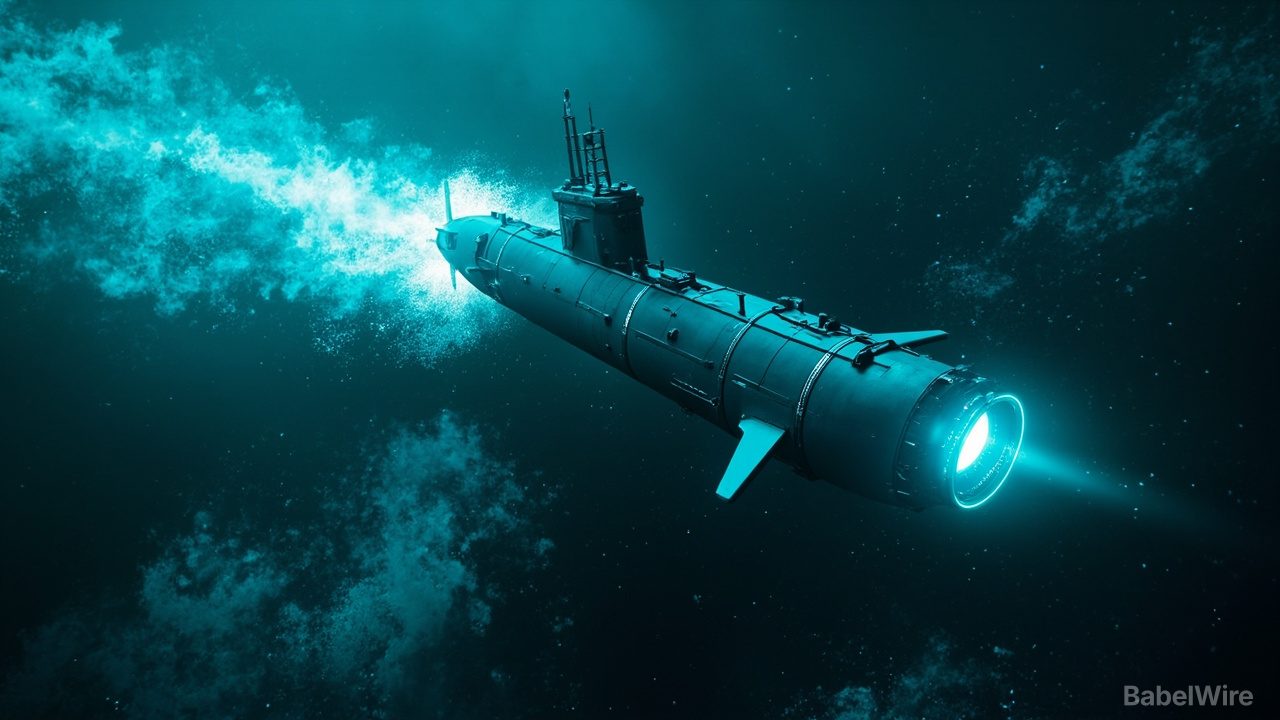
The XV Excalibur unmanned submarine has achieved a major milestone by successfully firing a live torpedo during testing, demonstrating the growing capabilities of autonomous naval systems.
The autonomous underwater vehicle, developed for the German Navy, executed the torpedo launch as part of a series of progressive capability tests. This marks the first time the platform has demonstrated weapons delivery capability, moving it from reconnaissance-only to a multi-mission platform.
Unmanned submarines like the XV Excalibur represent a shift in naval warfare doctrine, offering persistent surveillance and strike capability without risking crew. The system can operate submerged for extended periods, gather intelligence, and now deliver ordnance autonomously.
The successful test places Germany among a small group of nations developing armed autonomous underwater vehicles, a technology area that raises both strategic advantages and ethical questions about autonomous weapons systems.
Military analysts note that unmanned underwater vehicles are becoming increasingly important for coastal defense, mine countermeasures, and intelligence gathering missions where crewed submarines would be too expensive or too risky to deploy.