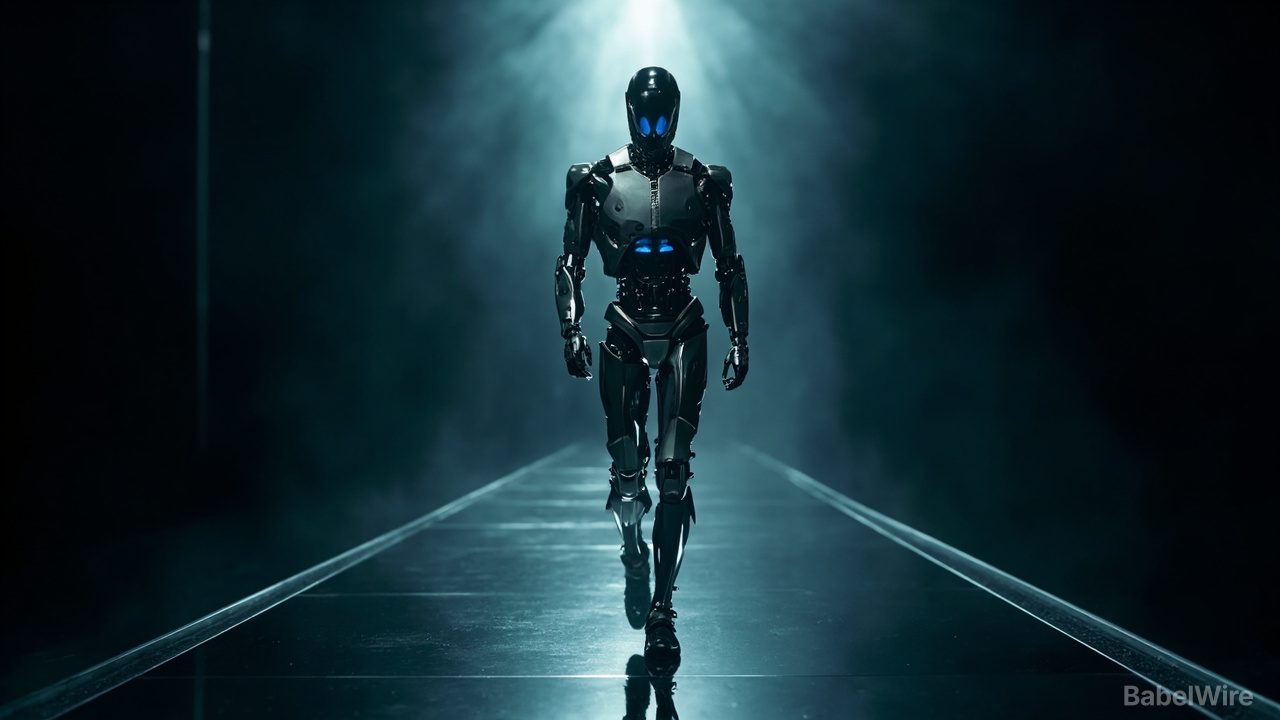
Fashion's biggest night took a robotic turn — and the audience made clear it wasn't impressed.
At Vogue World 2026, the high-profile annual event that blends fashion, celebrity, and spectacle, organizers sent robots down the runway in place of human models. The stunt was positioned as a commentary on the intersection of technology and fashion, but the reaction from attendees and viewers was overwhelmingly negative.
The robots, described by witnesses as mechanical and graceless compared to the fluid movement of professional models, failed to land the intended artistic statement. Social media reaction was swift and unforgiving, with many questioning whether the stunt was a genuine creative vision or a hollow tech gimmick designed to generate buzz at the expense of the craft.
The incident highlights a growing tension in creative industries: as AI and robotics become more capable, their integration into traditionally human art forms risks alienating the very audiences those art forms serve. Fashion, in particular, thrives on emotion, personality, and the unpredictable electricity of a human presence on the runway — qualities that current robotic technology cannot replicate.
Vogue World has historically been a celebration of fashion's human artistry, and the decision to spotlight machines over models struck many as a misread of what makes the event resonate. The backlash also echoes broader public fatigue with AI-for-AI's-sake deployments across entertainment, advertising, and media.
For the tech industry, the Vogue robots serve as a cautionary case study: capability alone does not equal relevance, and the gap between what technology can do and what audiences want to see remains wider than many engineers assume.