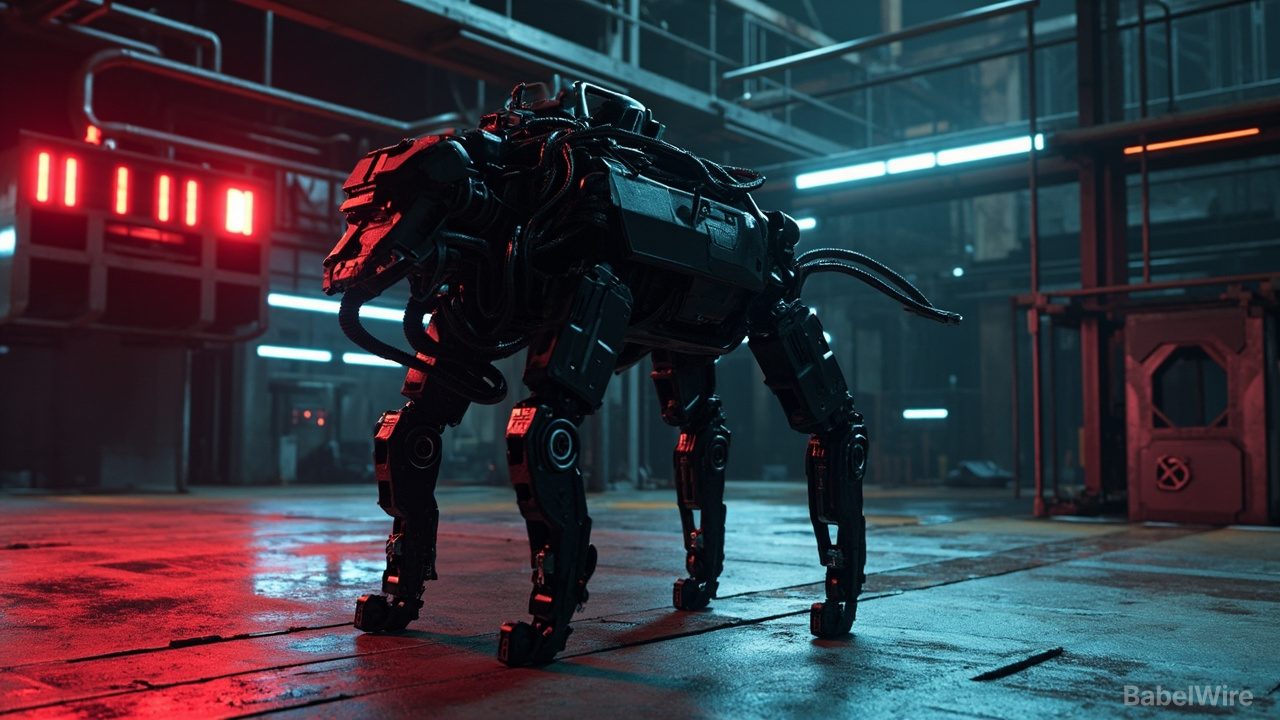
China's Unitree Robotics — among the world's biggest producers of humanoid and quadruped robots — based designs for its most successful robot dogs on innovations funded by the U.S. military, according to a Reuters investigation published Monday.
The finding, based on accounts from a former U.S. defense technology official and three top researchers involved in the Army-funded Robotics Collaborative Technology Alliance, reveals that Unitree's $1,600 Go2 model drew on breakthroughs from MIT's Biomimetic Robotics Lab and the University of Pennsylvania, both financed by military programs between 2010 and 2020.
Ben Katz, who worked at MIT's lab, told Reuters that the dimensions of Unitree's popular Go series were "to the millimeter" almost identical to the Mini Cheetah robot he helped develop. Within six months of publishing his master's thesis detailing the actuators, Chinese companies were manufacturing copies on AliExpress.
The episode highlights a recurring pattern: American government-funded research produces breakthroughs that Chinese firms then mass-produce at a fraction of the cost. Unitree sold more than 5,500 humanoids and 18,000 quadrupeds last year and is valued at approximately $9 billion ahead of its Shanghai IPO.
The Pentagon added Unitree to its list of Chinese military companies in June. Chinese state television has featured Unitree robots alongside PLA troops, including a modified B1 firing a mounted assault rifle.
"This isn't just a competition between U.S. and Chinese robotics companies," said Gavin Kenneally, a former UPenn researcher. "It's between private U.S. companies and China's coordinated national strategy."
In July, the FCC banned imports of future models of foreign-made humanoid and quadruped robots. China has threatened to retaliate.