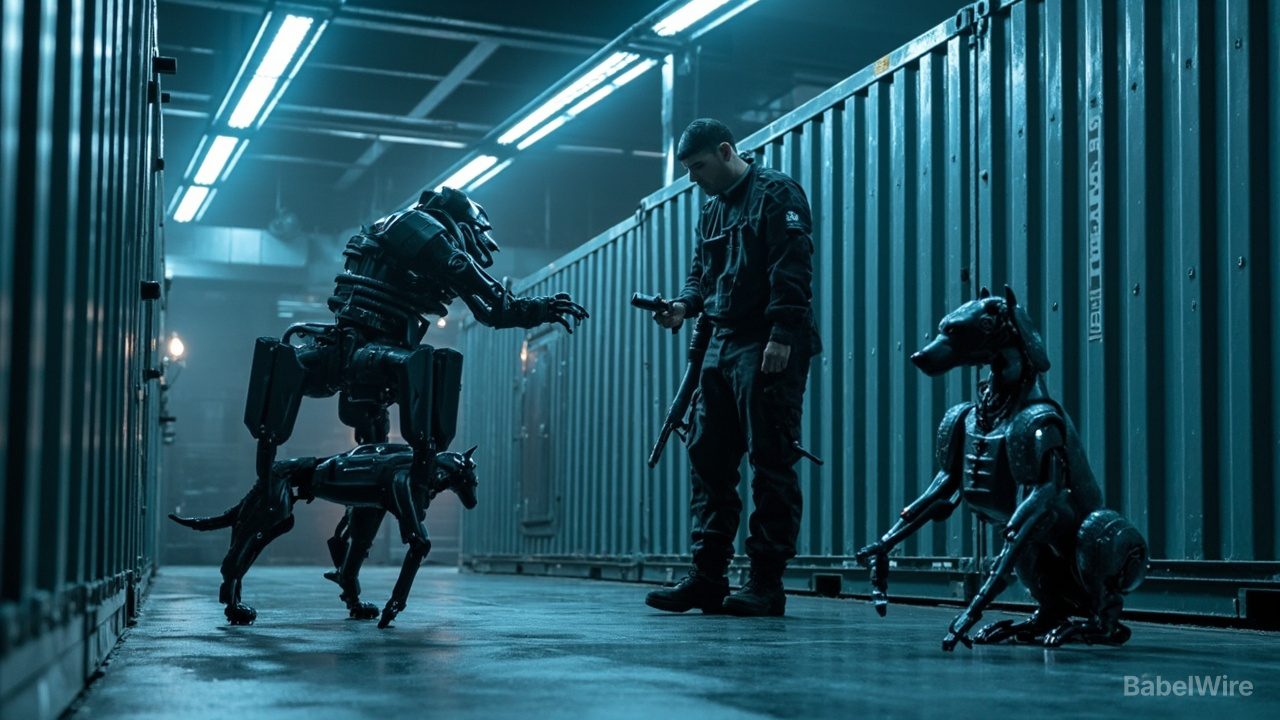
The Trump administration has imposed a sweeping ban on imports of new foreign-made humanoid robots, quadruped robots (commonly known as robot dogs), and connected power inverters, citing national security concerns.
The ban, issued by the Federal Communications Commission (FCC), specifically targets advanced robotics from China, which has emerged as the world's leading manufacturer of humanoid and quadruped robots. The decision marks one of the most significant technology trade restrictions of the year, reflecting growing fears that sophisticated foreign-made robots could be used for espionage, surveillance, or even autonomous attacks on US soil.
Under the new rules, importers will no longer be able to bring new foreign-made humanoid robots or robot dogs into the United States. The ban also extends to power inverters, which are essential components in solar energy systems. Officials argue that these devices could contain hidden surveillance capabilities or backdoors that foreign adversaries could exploit.
The move has drawn mixed reactions. National security hawks applaud the restrictions as necessary to protect critical infrastructure. However, tech industry groups warn the ban could disrupt supply chains, slow innovation, and raise costs for American companies that rely on imported robotics for manufacturing, logistics, and research.
Robot manufacturers in China condemned the decision, calling it protectionist and warning it could accelerate a technological decoupling between the world's two largest economies. Analysts expect China to retaliate with its own technology trade restrictions.