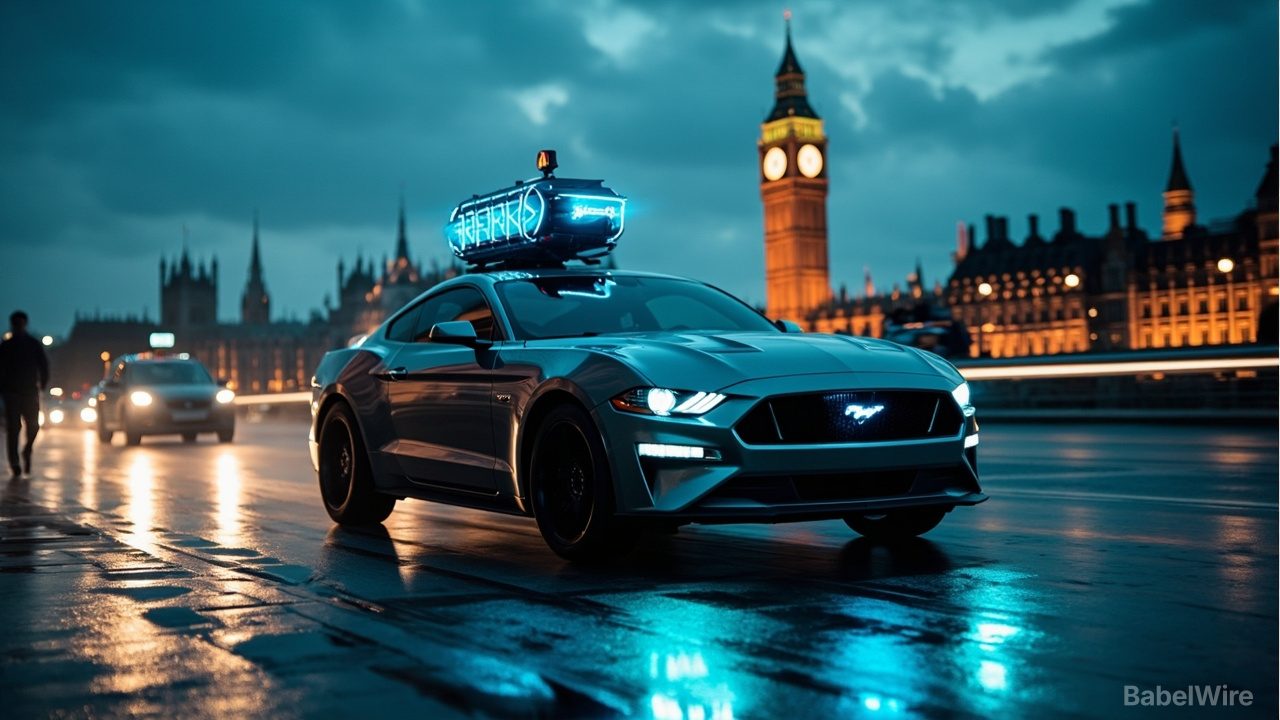
Uber and British autonomous driving startup Wayve launched the first commercial robotaxi service in London on September 3, marking the first time self-driving vehicles have been offered to the general public in the UK capital.
The initial fleet consists of fewer than 20 Ford Mustang Mach-E vehicles equipped with Wayve's AI Foundation Model-based self-driving stack. The service is integrated into the standard Uber app: riders requesting UberX, Uber Comfort, or Uber Electric may be matched with an autonomous vehicle at no additional cost.
A licensed human operator will ride in every vehicle until Transport for London (TfL) grants approval for fully driverless operations. Wayve received its TfL Private Hire Vehicle licences earlier this year, and more than 100,000 Londoners had already signed up for the waitlist before launch.
This is Wayve's first commercial public deployment anywhere in the world, following years of testing on London streets and a $1 billion funding round backed by SoftBank, NVIDIA, and Microsoft. The launch comes despite some regulatory delays — The Guardian reported in late August that the rollout was unlikely to happen in 2026 due to technical and regulatory hurdles — making the September debut a notable acceleration.
The deployment signals growing confidence in London's regulatory framework for autonomous vehicles and positions the UK as a competitive frontier against US robotaxi leaders like Waymo, which is planning its own London trials with Jaguar I-Pace EVs.