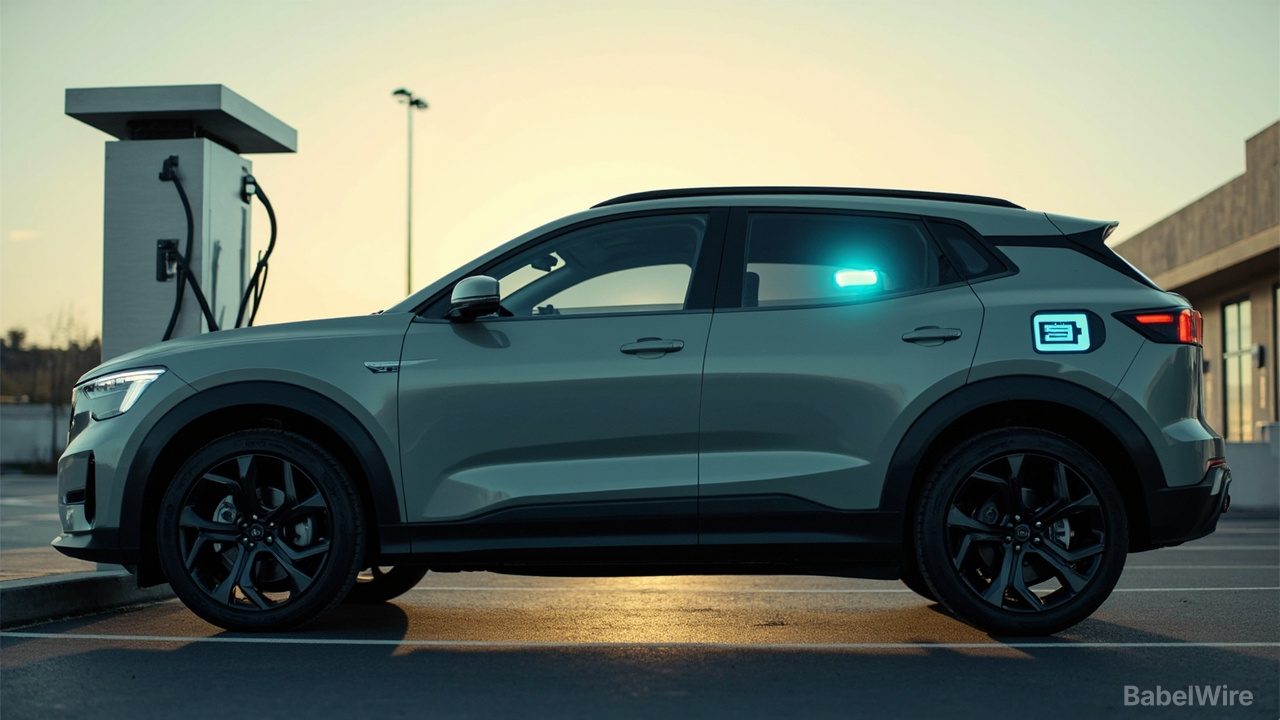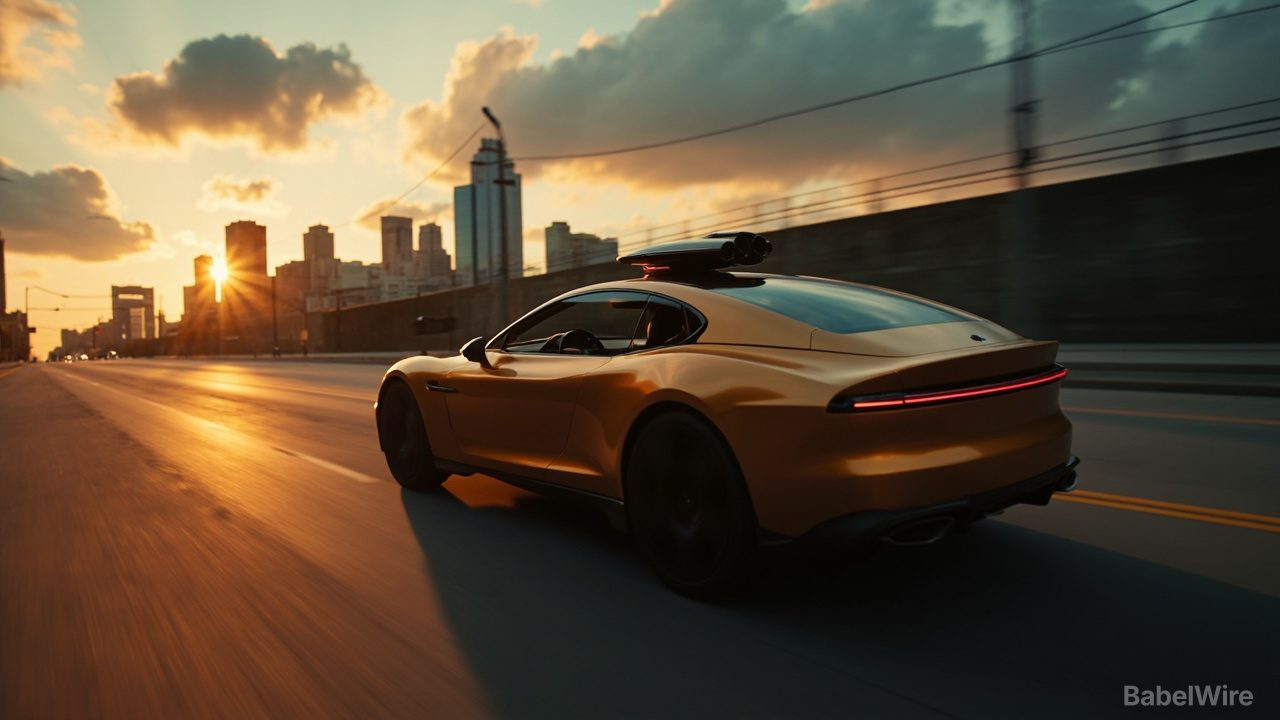
Tesla pulled back the curtain on its long-awaited Cybercab in Austin, Texas — but the reveal was uncharacteristically understated for a company led by Elon Musk. Forty-five matte gold, steering-wheel-free autonomous vehicles are now registered to operate on Tesla's robotaxi network in Texas, and an invite-only launch event gave attendees their first rides Thursday night. There was no livestream. Attendees were reportedly barred from posting for hours. And Musk himself was absent.
The muted debut stands in stark contrast to Tesla's usual product launches, which typically feature elaborate stage shows and Musk's signature showmanship. Yet the Cybercab may be the most consequential vehicle Tesla has ever built: a purpose-built, two-seater autonomous car with no pedals or steering wheel, designed from the ground up for robotaxi duty.
From Closed Event to Open Market
Hours after the event embargo lifted, Tesla published an online interest form soliciting third-party operators who want to buy and run their own Cybercab fleets. The form lists options including fleet purchasing, mobility hubs and infrastructure, event collaboration, and "other." It's a striking pivot: Musk had spent years envisioning a "Tesla Network" where personally owned vehicles would earn money as robotaxis, but the company had kept its actual robotaxi operations tightly in-house since launching in Austin in mid-2025 with Model Y vehicles.
Now Tesla appears ready to franchise. A growing ecosystem of fleet management companies — including Moove, which raised $250 million last month at a $2.1 billion valuation and already operates Waymo fleets in Phoenix, Miami, and Las Vegas — could help Tesla saturate markets faster than it could alone.
The Scale Gap
The Cybercab launch is significant, but it also highlights how far Tesla trails competitors. The company announced that its autonomous vehicles have collectively driven 1 million miles without a human behind the wheel. Waymo, by contrast, reached that milestone in January 2023 — more than three years ago. Waymo now operates in 14 US metros; Tesla's driverless fleet is limited to parts of Texas and Florida, with permits in Arizona and Nevada but not yet in California.
Tesla executives argue their camera-only approach gives them a decisive cost advantage over competitors like Waymo and Zoox, which use expensive lidar and radar arrays. Whether that cost advantage can translate into safety parity remains the central open question.
Regulatory Limbo
Federal safety rules require vehicles to come with steering wheels and brake pedals. Last month, the government granted its first-ever exemption for a purpose-built autonomous vehicle to Amazon's Zoox. Tesla has not filed a similar exemption request. A Tesla executive has said the company does not believe it needs one — a stance that puts it on a collision course with regulators.
The company has also floated plans to sell Cybercabs directly to consumers before the end of 2026, another move that would require significant regulatory changes.
The Bigger Picture
Musk has repeatedly said Tesla should be valued not as a carmaker but as "an AI robotics company" — and that solving autonomy would make it worth more than three times Nvidia. The Cybercab is the vehicle (literally) for that thesis. But with 420 robotaxis registered in Texas, ambitious milestones repeatedly missed, and competitors building steady leads, the pressure is on.
For now, the Cybercab's first riders came away impressed. The 22-inch center screen lets passengers watch TV or work while the car drives itself. "You can choose to be entertained or choose to be productive," engineering director Silvio Brugada told the crowd. The crowd didn't quite roar, but it did "woo" suggestively.