Propulsion Without Propellant
A New Zealand company has achieved a milestone that reads like science fiction: a satellite thruster that generates acceleration using no fuel whatsoever.
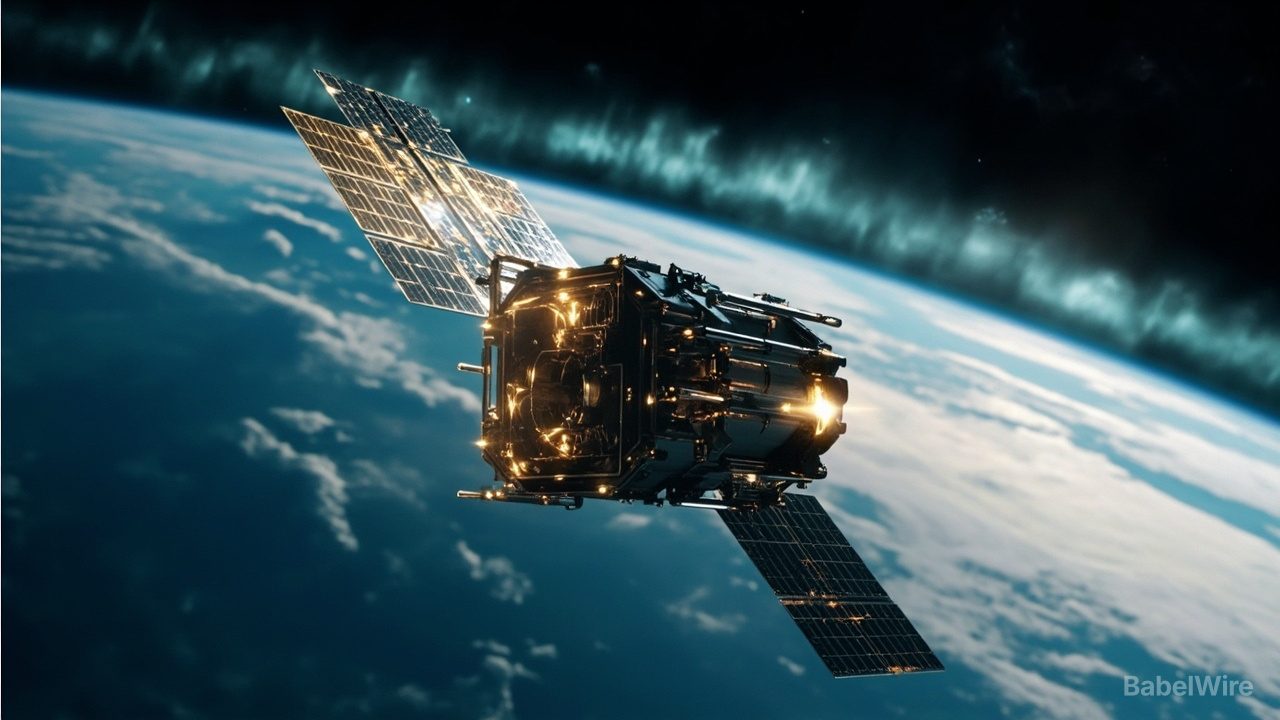
Zenno Astronautics, a spin-off from the University of Auckland, has completed the first orbital tests of its "Supertorquer" system aboard Impulse Space's Mira satellite. The shoebox-sized device uses superconducting magnets — cooled to -200°C — that interact with Earth's magnetic field to generate thrust using only solar energy.
"We are essentially looking to remove all reliance on Earth's resources so that we can build a sustainable industry in space," said Max Arshavsky, Zenno's CEO and founder.
How It Works
Superconducting magnets have zero electrical resistance, allowing them to conduct enormous currents and generate powerful magnetic fields. When these fields interact with Earth's magnetosphere, they produce torque and acceleration — effectively pushing against the planet's invisible magnetic bubble.
The key innovation is keeping the magnets cold enough to superconduct without bulky cryogenic tanks. The unit is wrapped in multi-layer insulation and uses a heat pump that radiates excess heat into deep space, maintaining the required -200°C operating temperature.
Beyond Attitude Control
While the current Supertorquer system is designed for satellite attitude control — keeping spacecraft pointed in the right direction — Zenno has much larger ambitions. The company envisions future superconducting systems powerful enough to enable spacecraft docking, close-proximity operations, and even propulsion for Moon and Mars missions, all without a single drop of propellant.
"Once you have superconducting technology available in space, you can accelerate things very fast or change the trajectory of a satellite completely without fuel," Arshavsky said.
A Shield Against Cosmic Radiation
The same superconducting magnets that provide propulsion could also solve one of deep space exploration's most dangerous problems: cosmic radiation. Powerful magnetic fields could create protective "umbrellas" around spacecraft, shielding astronauts from cancer-causing radiation during long-duration missions.
Zenno plans to launch a larger demonstrator on an undisclosed mission later this year, bringing the dream of sustainable, fuel-free space propulsion closer to reality.