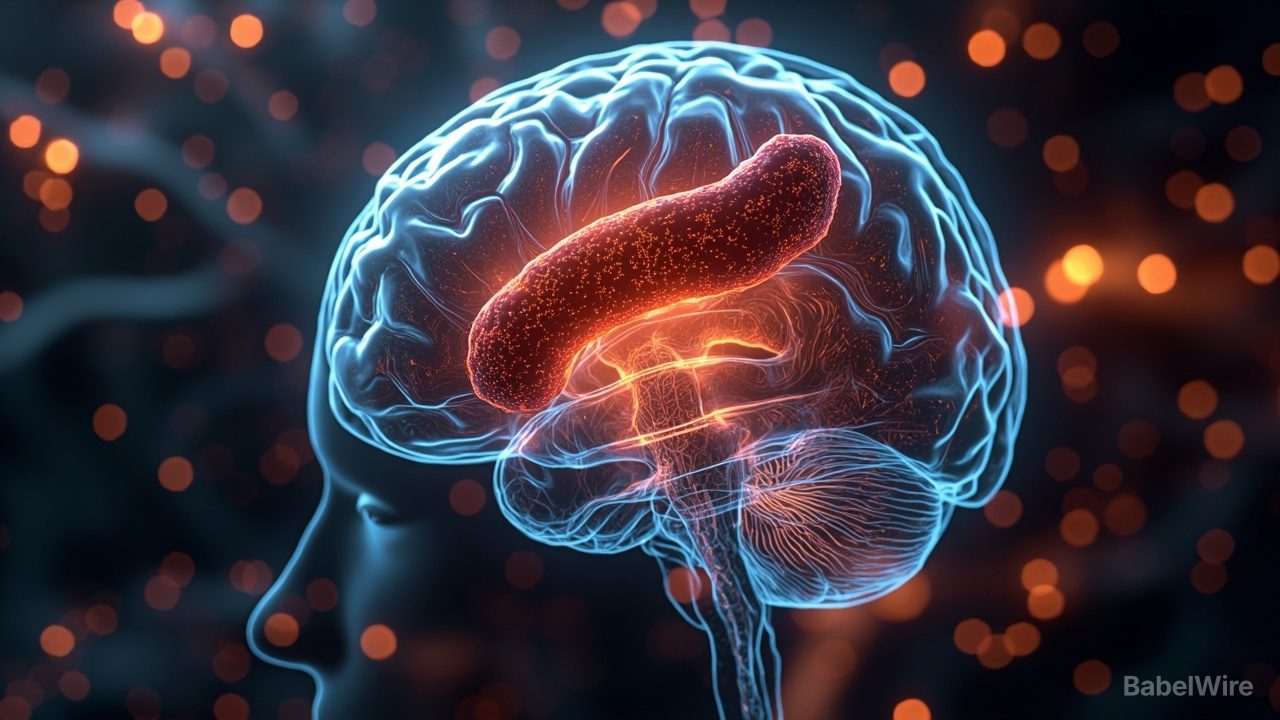
In a finding that rewrites decades of medical understanding, researchers reported on July 3, 2026 that a common type of stroke may have a fundamentally different cause than doctors have long believed. Instead of fatty plaque buildup clogging arteries — the standard explanation for most strokes — the strongest link was found with enlarged and damaged blood vessels deep within the brain.
A Paradigm Shift in Stroke Science
Stroke is the second-leading cause of death worldwide and a major cause of long-term disability. For generations, the medical establishment has operated on the assumption that the vast majority of ischemic strokes — those caused by blocked blood flow to the brain — result from atherosclerosis: the accumulation of cholesterol-rich plaque that narrows or obstructs arteries.
But the new research, published in a leading medical journal and featured as a top science story on July 3, reveals a different mechanism. Using advanced imaging techniques and analyzing tissue samples from patients who had suffered strokes, the scientists found that many cases were associated not with clogged arteries but with cerebral small vessel disease — a condition where the tiny blood vessels deep in the brain become enlarged, damaged, and leaky.
'This changes how we think about the underlying pathophysiology of a major category of stroke,' the lead researcher stated. 'For years, we've been treating the wrong target in many patients.'
What the Research Found
The study examined brain tissue from patients who had suffered strokes classified as small vessel occlusions — a category that accounts for approximately 25% of all ischemic strokes. Instead of finding plaque obstructions, the researchers discovered that the strongest predictor of stroke in these cases was the presence of structurally weakened and abnormally dilated microvessels.
These damaged vessels, the study suggests, may fail to properly regulate blood flow, leading to reduced perfusion in critical brain regions. In some cases, the vessel walls themselves may break down, causing microscopic bleeds that trigger inflammatory cascades and tissue damage.
Implications for Prevention and Treatment
If confirmed by further studies, the discovery has profound implications:
- Risk factors may need reassessment. High cholesterol and arterial plaque — the primary targets of statin therapy for stroke prevention — may be less relevant for this stroke subtype than factors that affect small vessel integrity, such as hypertension, diabetes, and inflammation.
- Diagnostic approaches could shift. Current imaging protocols focus heavily on detecting large artery blockages. The findings suggest that advanced MRI techniques capable of visualizing microvascular structure may become essential for comprehensive stroke risk assessment.
- Treatment strategies may need rethinking. Antiplatelet drugs and clot-busting therapies — the current standard of care — may be less effective if the underlying problem is vessel wall damage rather than clot formation.
The Road Ahead
The research team is now planning larger clinical studies to validate the findings across diverse populations. If the results hold, they could lead to new therapeutic approaches targeting small vessel health — potentially preventing strokes years before they occur by identifying at-risk patients through microvascular imaging.
'This is one of those rare moments in medicine where a basic assumption gets overturned,' a neurologist not involved in the study commented. 'It doesn't mean everything we knew about stroke is wrong. But it means we've been missing a major piece of the puzzle.'