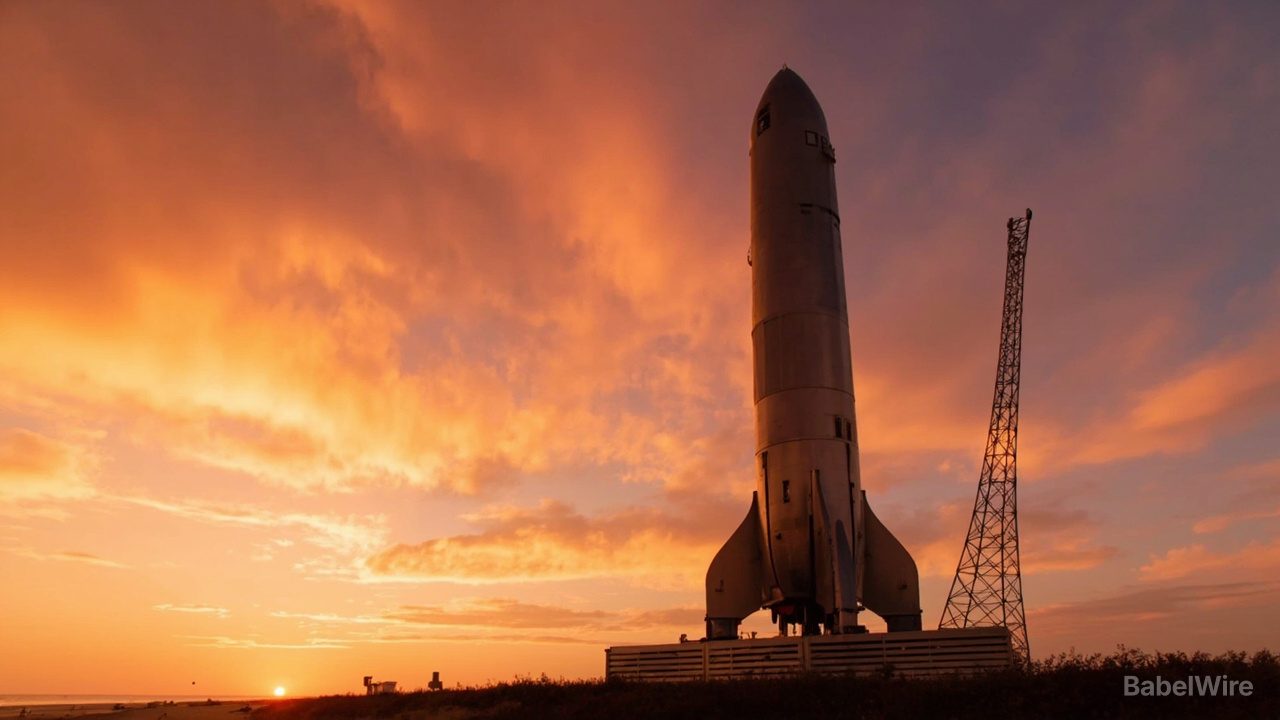
SpaceX is poised to launch Starship Flight 13 on Friday, July 24, from its Starbase facility in South Texas, with a 90-minute launch window opening at 5:45 p.m. CDT (22:45 UTC). The mission represents a critical milestone: the first deployment of operational Starlink V3 satellites from the world's largest rocket.
The launch follows two consecutive scrubs. On July 16, an automatic abort triggered at T-minus zero when four of Super Heavy Booster 20's 33 Raptor engines failed to ignite. SpaceX subsequently replaced two engines and conducted additional preflight testing. A second attempt on July 23 was postponed due to Tropical Storm Bertha, which brought adverse weather to the Texas Gulf Coast.
Deploying the Next Generation of Starlink
Flight 13's primary objective is to deploy 20 Starlink V3 satellites — the next-generation broadband spacecraft designed to "greatly expand the network's capacity and user speeds," according to SpaceX. The V3 satellites weigh approximately 2,000 kg (4,400 lbs) each, significantly heavier than their predecessors, and will attempt to connect with the existing Starlink constellation via high-capacity laser links.
Because Starship will fly a suborbital trajectory, the satellites are expected to reenter the atmosphere and disintegrate approximately 20 minutes after deployment. Six of the 20 spacecraft are equipped with cameras to inspect Ship 40's heat shield tiles — a critical data-gathering exercise as SpaceX works toward full Starship reusability.
V3 Upgrades and Heat Shield Experiments
The Starship V3 vehicle incorporates numerous improvements. The heat shield features load-sensing tiles designed to measure stress during higher dynamic pressure on ascent, with modified attachment mechanisms on the aft flaps. SpaceX is also testing a new Raptor engine startup sequence to address issues that caused a 90-degree directional offset on Booster 19 during Flight 12 in May.
"The Super Heavy on this upcoming flight has hardware modifications to improve re-light reliability along with updates to engine alarms and aborts," SpaceX stated in its mission description.
Paving the Way for Artemis
The stakes extend beyond Starlink. A nearly identical version of the Starship V3 rocket will be used for NASA's Artemis III mission, aiming to return humans to the lunar surface by 2028. A recent Government Accountability Office report noted that SpaceX is "more than a year behind its original schedule" for key Human Landing System milestones, with Raptor engine development identified as a "top risk."
If Flight 13 succeeds in deploying Starlink V3 satellites and executing an in-space Raptor relight demonstration, it will bring SpaceX significantly closer to its goal of a fully reusable super-heavy launch system — one that could eventually support the company's vision of colonizing Mars.