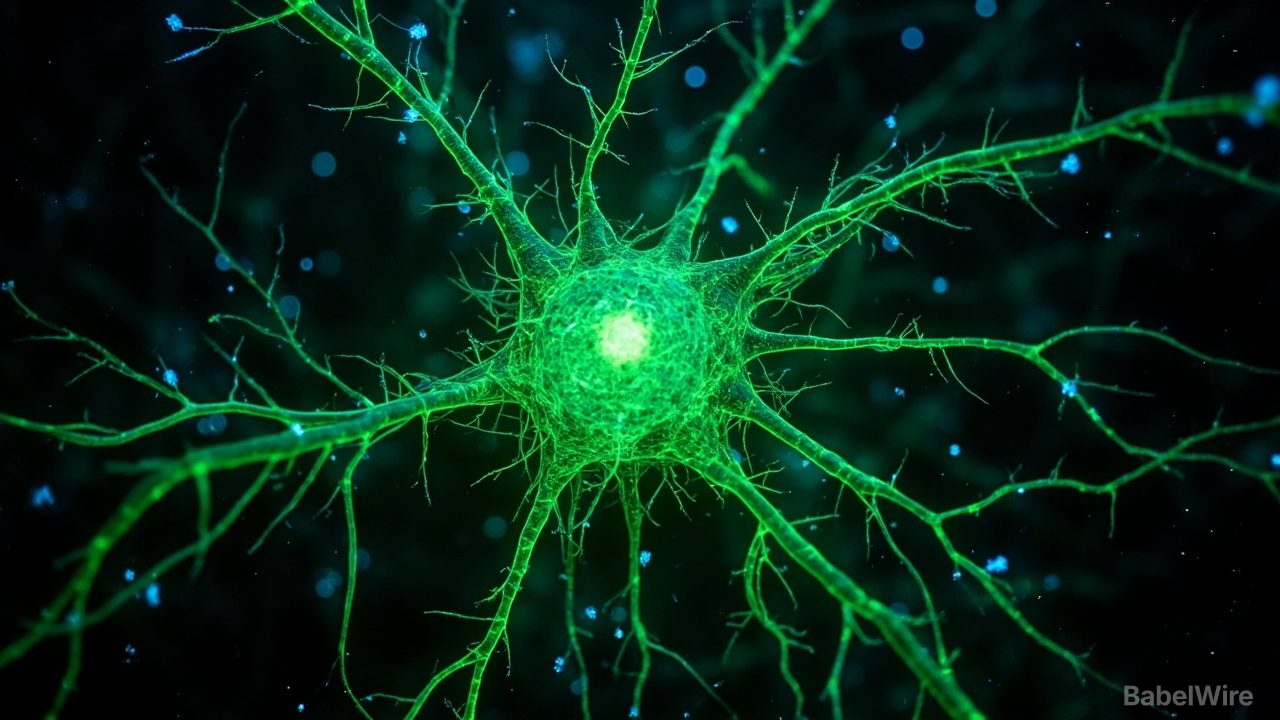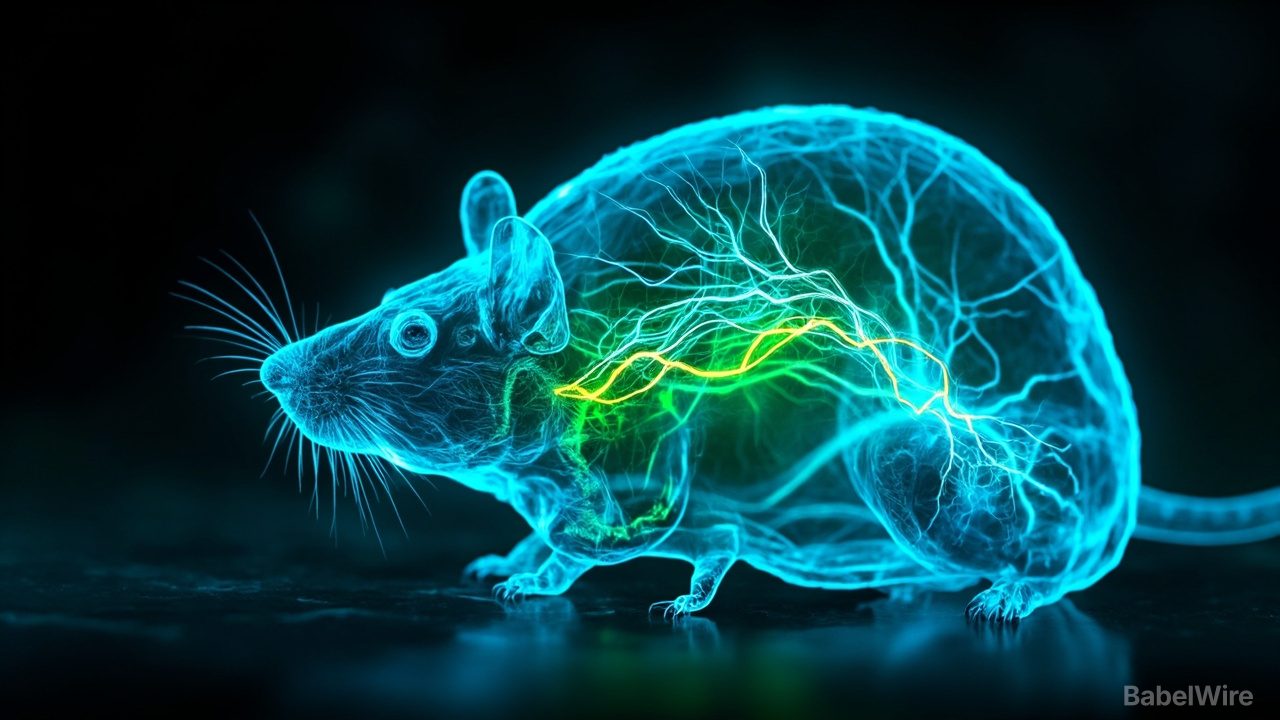
Stanford University researchers have achieved what Nature describes as "the most extensive integration of human neural tissue into a living animal to date" — creating mice with half-human brains by transplanting lab-grown human brain organoids into genetically modified mice.
The team, led by neuroscientist Sergiu Pașca, modified genes in mice so they would not develop certain brain regions, including the cortex. When the animals were two days old, the researchers implanted human brain organoids — lab-grown clusters of neurons that mimic the structure of the developing human brain — into the mice. The human cells grew, formed connections, and integrated with the remaining mouse brain tissue.
The hybrid brains offer a powerful new tool for studying neurological disorders that are difficult to model in traditional animal experiments. Conditions like cerebral palsy, schizophrenia, and epilepsy involve complex interactions between different brain regions that simple cell cultures cannot replicate. The mice with human brain tissue could help researchers test drugs and study disease progression in ways that were previously impossible.
The research builds on Pașca's earlier work implanting human organoids into the visual centers of adult mouse brains, where flashes of light caused both mouse and human neurons to respond. The new study goes further, creating more extensive integration during early development.
The work raises significant ethical questions about the nature of consciousness in hybrid organisms and the limits of chimeric research. Scientists not involved in the study emphasized that while the human cells integrate structurally, there is no evidence the mice develop human-like cognition or consciousness.