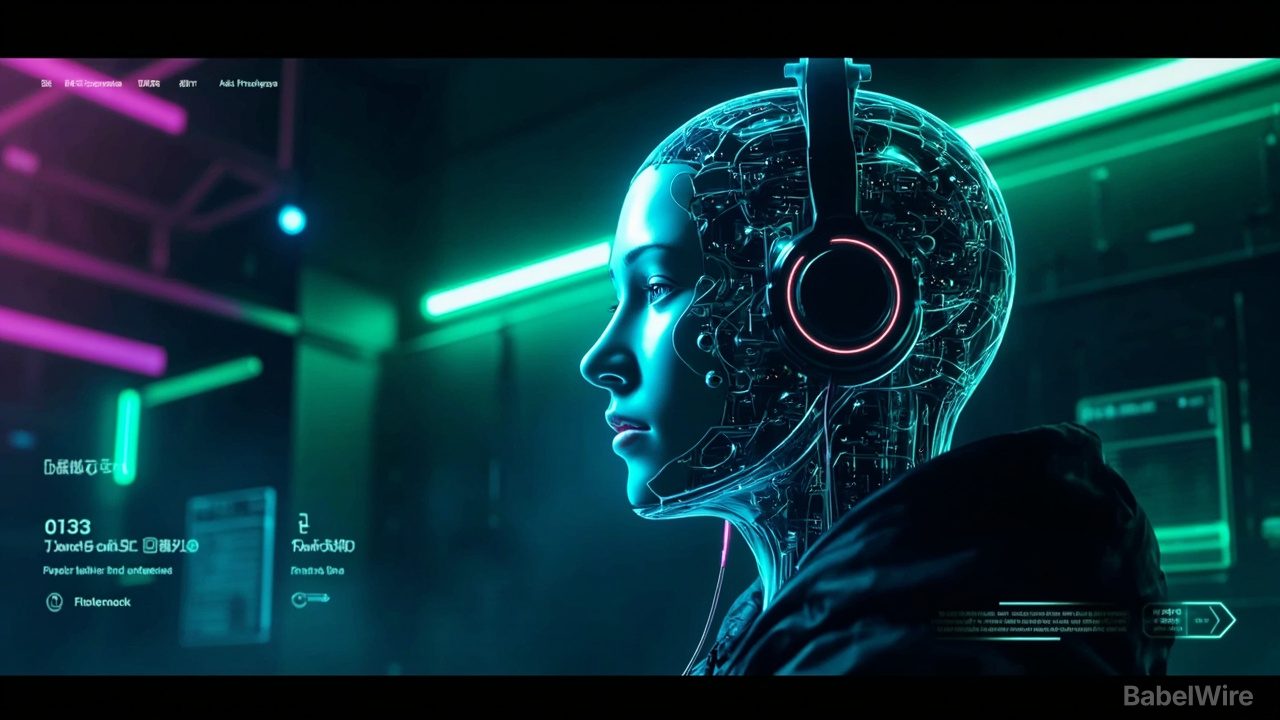
Spotify is drawing a line between human artists and entirely artificial ones. From mid-September, the streaming platform will place an 'AI Persona' badge on artist profiles whose public identity appears to be generated by artificial intelligence and does not represent a real person, the company announced on 11 August. The label will appear on the profile banner and in the About section, in Search results and on track pages.
Artists will be able to self-declare an AI-generated identity through Spotify for Artists, and the platform may also apply a 'Likely AI Persona' label to profiles it suspects of being AI personas. Listeners can flag suspicious profiles, but Spotify makes the final call on classification. The stakes are visibility: by default, AI Personas will be excluded from Spotify's editorial and algorithmic recommendations, meaning they will no longer surface in playlists, radios or discovery surfaces — though their music remains searchable and followable, and they can keep releasing tracks.
Crucially, the policy targets identity, not process. A human artist who uses AI tools while making music is not automatically an 'AI Persona'; the label is reserved for profiles built around a persona that is itself AI-generated. The distinction matters as fully synthetic virtual artists proliferate and labels sign 'digital stars' who do not exist offline.
The move, which TechCrunch, NPR and Variety all flagged as a significant policy shift, comes as platforms wrestle with how to handle AI-created music without alienating human creators — and as the EU's AI Act and other transparency rules push streaming services toward clearer labelling. Spotify frames the change as protecting listeners from being misled about who — or what — created the music they stream. Whether other platforms follow, and how AI personas respond, will shape the next phase of the AI-music wars.
Sources
- newsroom.spotify.comIntroducing a New Label for AI-Generated Artist Identities — Spotify Newsroom
- techcrunch.comSpotify will label 'AI Persona' profiles and exclude their music from recommendations — TechCrunch
- npr.orgSpotify will now label AI creators posing as human artists — NPR
- variety.comSpotify Strikes Back Against AI Artists with 'AI Persona' Label — Variety