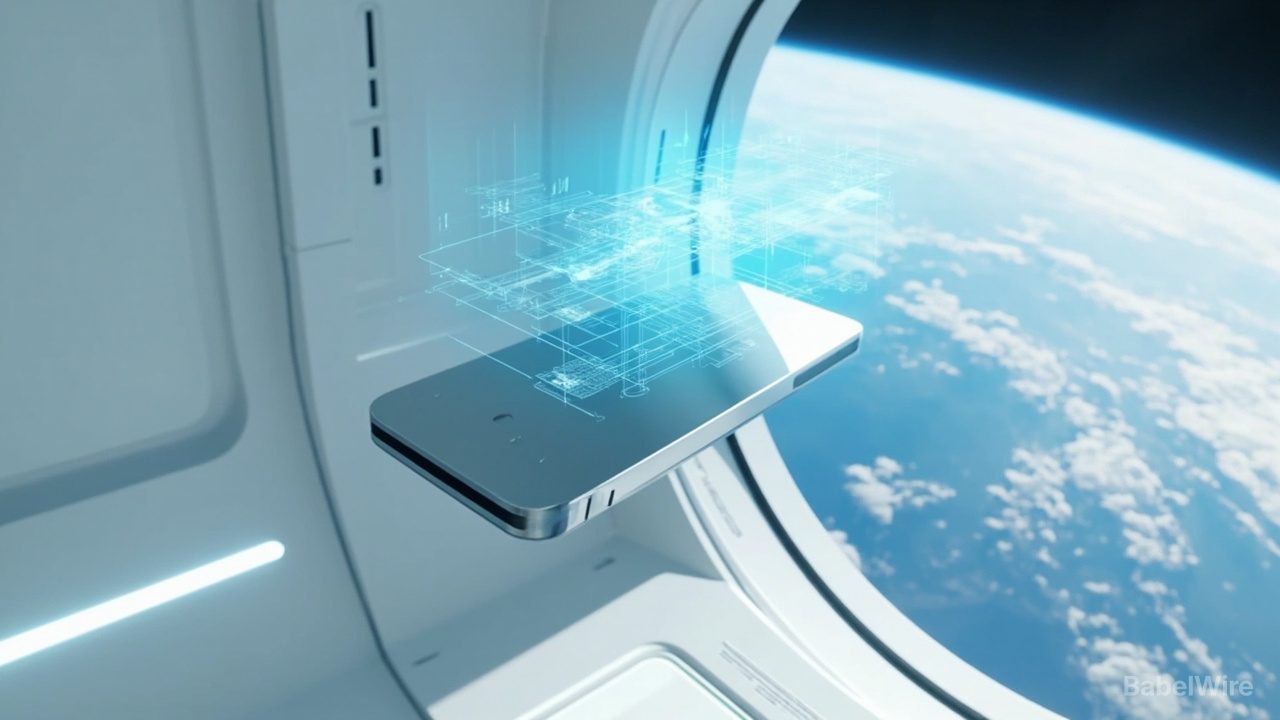
The Wall Street Journal reported on July 1, 2026, that SpaceX showed investors and stakeholders a prototype of a "handset-like" AI device before the company's recent IPO — a device described as sleeker and slimmer than an iPhone, designed to run on a proprietary operating system and integrate technology from xAI, Musk's AI company that SpaceX absorbed in February.
Elon Musk responded on X by calling the report "utterly false," marking the second time in months he has denied SpaceX is developing a phone-like product — after flatly stating "we are not developing a phone" following a similar Reuters report in February.
The device, according to Journal sources, would use Qualcomm chips and is still in an early prototype phase with no confirmed name or release timeline. SpaceX reportedly told investors the design could still change.
The report comes as SpaceX signals broader ambitions in mobile services. COO Gwynne Shotwell told investors the company is considering offering a terrestrial mobile phone service, the Financial Times reported. Bloomberg reported that SpaceX is in talks with Charter Communications to use the internet provider's ground infrastructure for phone traffic. SpaceX already partners with T-Mobile for direct-to-cell satellite service via Starlink.
The timing is notable because OpenAI — Musk's rival — is also working on an AI device. OpenAI partnered with Apple's former chief design officer Jony Ive on an AI device that CEO Sam Altman has claimed will be "more peaceful than an iPhone." Reports suggest OpenAI has struggled with design details and recently hired Paul Meade, Apple's former VP in charge of Vision Pro, to help.
Analysts at Vital Knowledge wrote that "SpaceX has a long way to go before successfully manufacturing a consumer device at scale" and called it "hard to imagine SpaceX becoming a force in consumer electronics." SpaceX stock dropped 7.3% on the day of the report.
Sources
- techcrunch.comSpaceX has an AI device prototype, and it sure sounds phone-ish — TechCrunch
- forbes.comMusk denies report SpaceX is developing handheld AI device — Forbes
- wsj.comSpaceX showed investors prototype of Elon Musk's new AI device — WSJ
- 9to5mac.comMusk denies SpaceX developing AI hardware product — 9to5Mac