After more than five years of development, Snap has begun shipping its first consumer augmented-reality glasses — the Specs — at a steep $2,195 price point. Both WIRED and The Verge published extensive coverage after attending Snap's launch event in Los Angeles, painting a picture of a product that's ambitious but unpolished.
Hardware
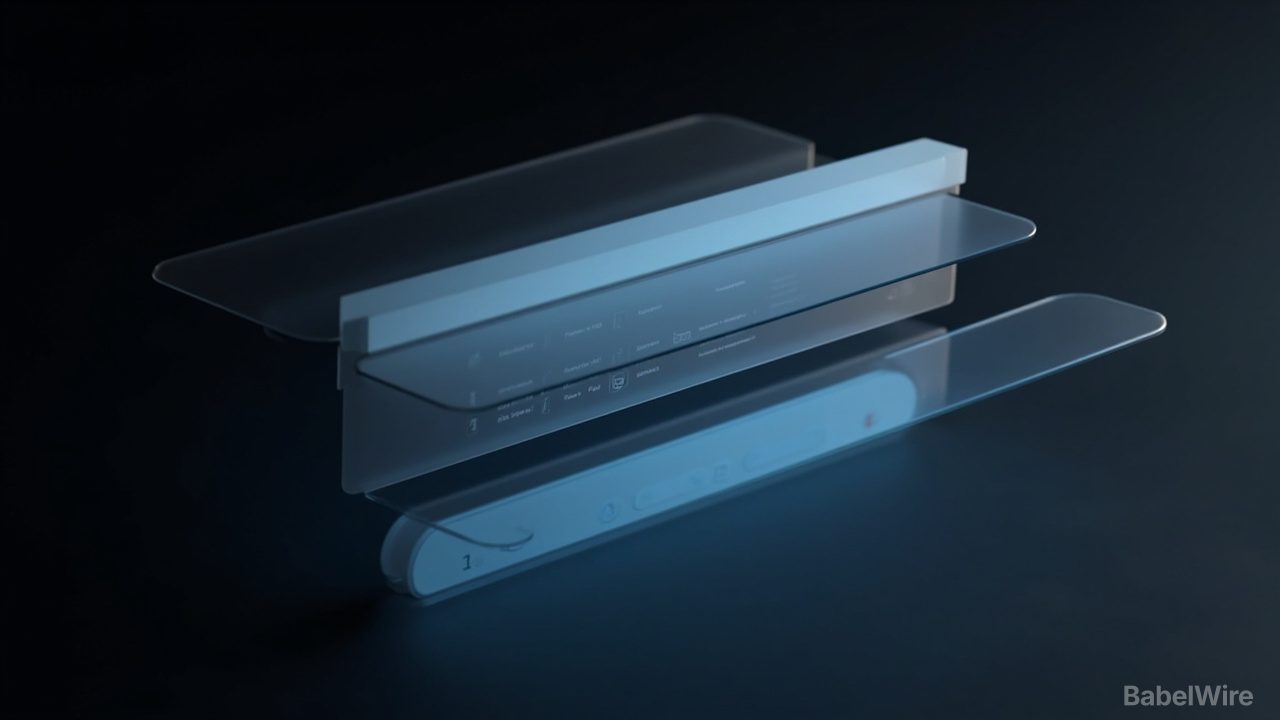
The Specs are chunky black glasses available in 47mm and 52mm lens sizes. They house standalone compute hardware (no phone tether required), dual waveguide displays showing 16 million colors, hand tracking via built-in cameras, and a four-hour battery. An LED privacy indicator sits prominently in the center of the frame when cameras are active.
The Verge's Jay Peters found them heavier than regular glasses but lighter than a VR headset, noting they stayed on during head-shaking but sagged the ears slightly. The 51-degree field of view is a significant limitation — digital elements frequently slip out of sight, requiring head-turning to track objects.
Features
At its LA event, Snap detailed an extensive feature set:
- Bluetooth phone calls and Spotify playback - Photo and video capture - Real-time spoken-language translation (with a Tripadvisor partnership for currency and local phrases) - Interactive sports overlays (NBA/WNBA basketball, soccer, golf) - Shared AR games between two Specs wearers (chess, dominoes, ping pong) - HBO Max integration for Harry Potter-themed AR experiences - Book reading with live highlighting and bookmarking - Shopify 3D product visualization and in-glasses purchasing
Enterprise partnerships with Salesforce, Amazon, and Nvidia enable field-of-view product specs and warehouse part identification.
Specs Intelligence AI
Snap also launched Specs Intelligence, a new anticipatory AI app available on iPhone, Mac, and the glasses themselves. It collects data from connected apps and tools to predict what the wearer wants to do next, organizing information into corners like work, family, and goals. The service is available starting today.
The Skepticism
Both reviewers raised concerns about comfort over a full four-hour battery cycle, the finicky hand-tracking gestures (frequent mis-pinch events), and the social disconnect of watching private content while staring someone in the eye. The Verge's Peters concluded that Specs may still be coming out too soon given the field-of-view and interaction limitations.
The glasses will be available for in-person demos starting October 1 at Westfield Century City in Los Angeles.