Physicists have discovered there is a maximum amount of electrical resistance that can result from collisions between electrons — a finding that illuminates the microscopic origins of resistivity and could matter for the design of future quantum materials.
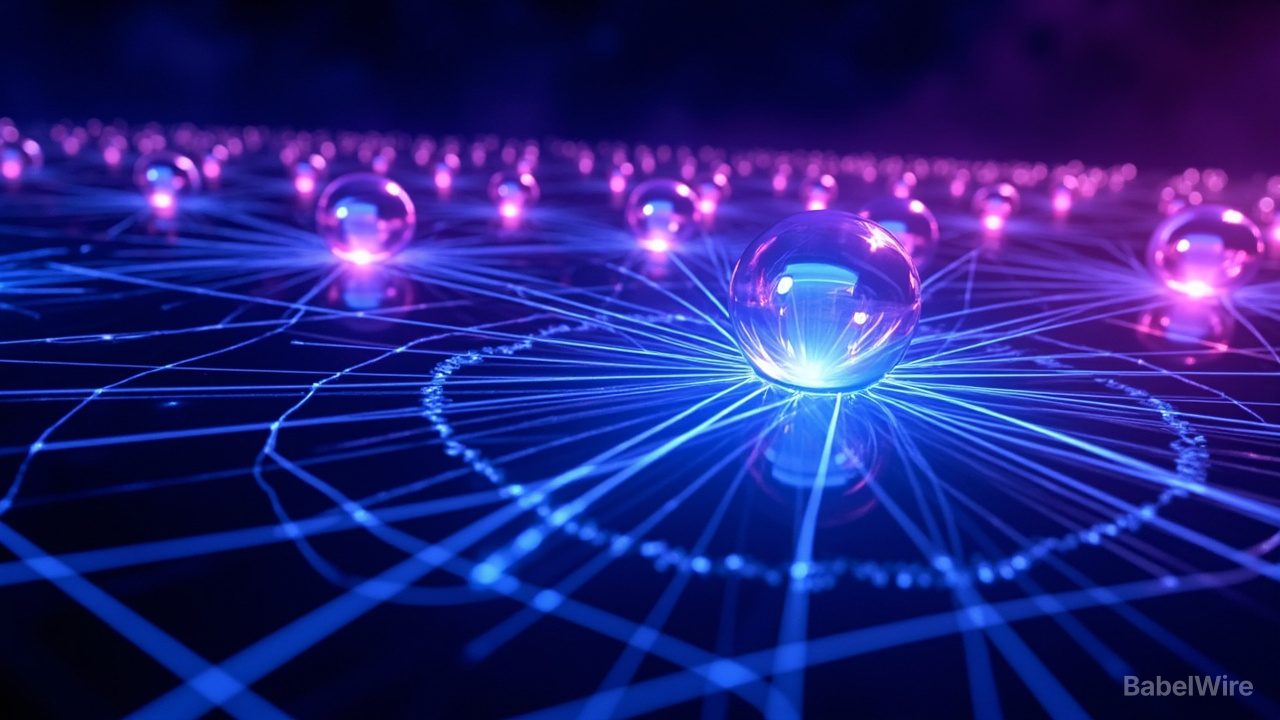
A team from the University of Toronto, École Normale Supérieure in Paris and Lehigh University cooled potassium atoms to near absolute zero and trapped them in an optical lattice — a grid of light that makes atoms behave like electrons in a solid. Increasing the collision rate between the atoms raised the system's resistivity, but only up to a point: past a critical interaction strength, the resistance stopped rising and saturated.
The experiments revealed a quantum enhancement of the atoms' effective size, making collisions on each lattice site far more likely — 'the atoms, which are only a few nanometres in size, bump into each other as if they were much larger,' said senior author Joseph Thywissen. The saturation suggests the resistivity increase from electron-on-electron scattering in a metal is similarly limited.
'Our results provide a clear microscopic understanding of how resistivity works in low-density metals and open the door to new studies of strongly correlated atomic systems and quantum materials,' Thywissen said. The findings were published in Physical Review Letters. Resistivity is not just a theoretical curiosity: transmission lines lose up to eight percent of generated electrical power as heat.