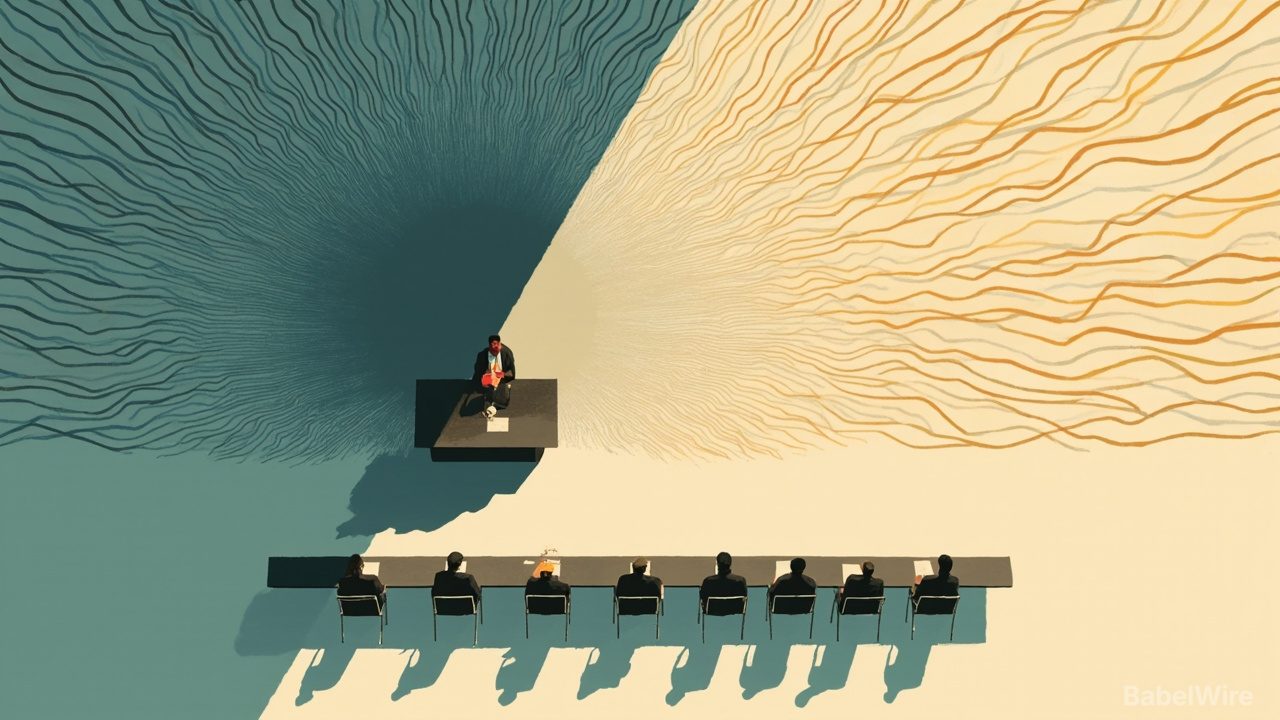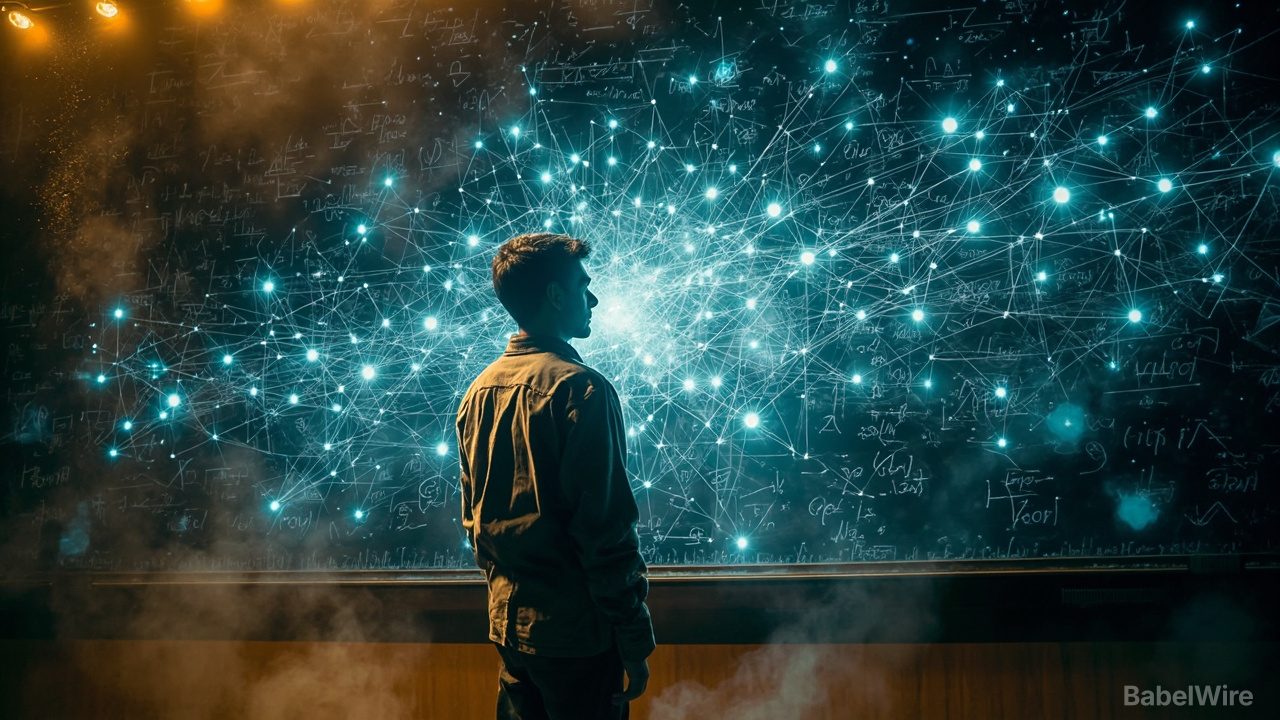
The 2026 International Congress of Mathematicians (ICM), held this week, is the field's premier gathering — the event where Fields Medals are awarded and the direction of mathematics is debated. This year, one question dominated sessions, panel discussions, and hallway conversations alike: What is mathematics for, now that AI can do much of what mathematicians once did?
AI systems are now producing mathematical proofs, identifying patterns and connections across distant subfields, and even formulating conjectures that human researchers hadn't considered. The speed and scale of these capabilities have forced a reckoning that goes beyond productivity tools — it strikes at the identity of a discipline that has long prized itself on the irreducibility of human insight.
Terence Tao, one of the most decorated living mathematicians, gave a public lecture at ICM titled "Mathematics in the Age of AI" that directly addressed the question. An essay based on the lecture, published on arXiv, argues that the mathematical community must rethink not just how it works, but why. Tao has previously predicted that by 2026, AI systems used properly will be "trustworthy co-authors in mathematical research" — a statement that, at the time, felt speculative but now reads as understated.
The Quanta Magazine podcast "The Joy of Why" recorded a live episode from ICM titled "What Is Math For in the Age of AI?" capturing the breadth of perspectives in the room. Mathematicians are not uniformly alarmed — some see AI as a powerful new instrument that will extend human reach into problems previously considered intractable. Others worry that if AI can generate proofs and discover theorems, the human act of mathematical reasoning loses its distinctive value.
What is clear is that the question is no longer hypothetical. AI tools are already embedded in mathematical research workflows — for formal verification, for exploring large proof spaces, for suggesting intermediate lemmas. The debate at ICM is not about whether AI will play a role in mathematics, but about what mathematicians will do when the creative and technical labor that once defined their profession is increasingly shared with machines.
The answers emerging from this week's congress will likely shape how mathematics is taught, practiced, and valued for decades to come.