AI's appetite for electricity has set off a hunt for efficient, cheap power sources — and Petra Power is betting on one that strips electrons off fuel without ever burning it.
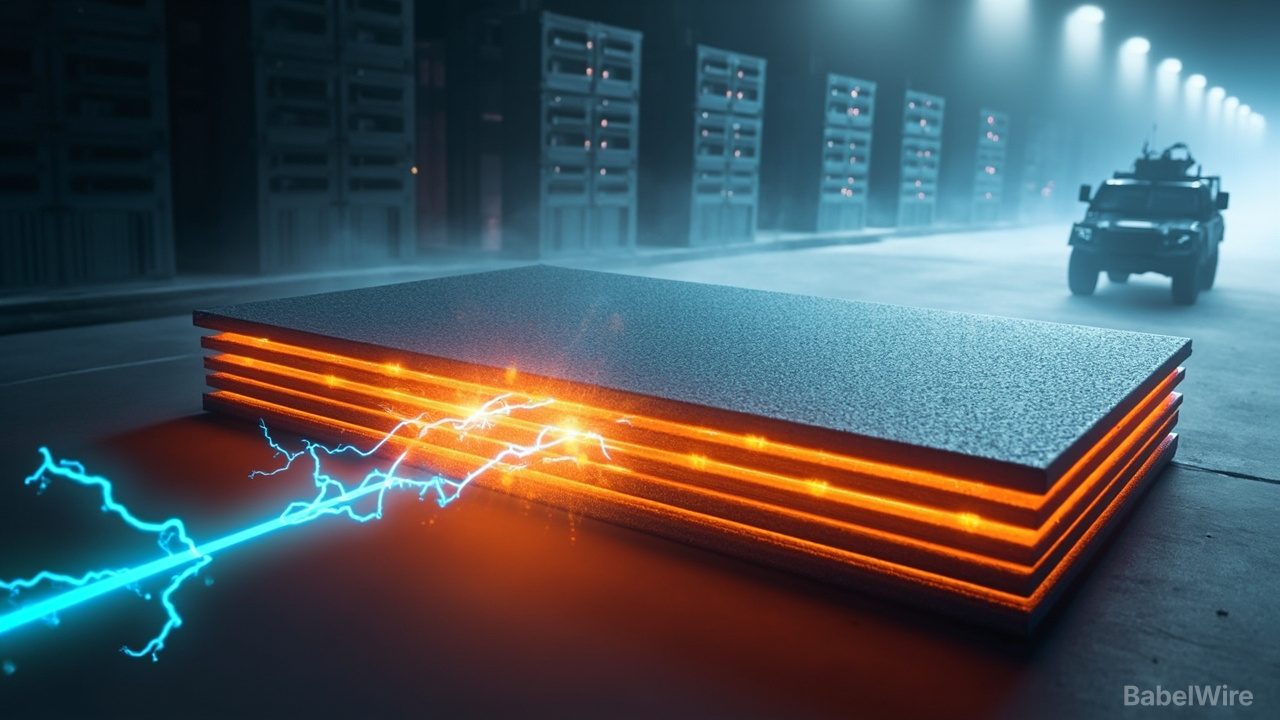
Founded in 2017, the company sells solid-oxide fuel cells: ceramic devices that convert fuel such as natural gas directly into electric power. Founder Aaron Goodman argues the product has significantly lower fuel costs and emissions than traditional generation, and needs much less physical space because the cells are more compact and lighter.
His explanation of the efficiency gap is refreshingly plain. "Combustion takes fuel and creates explosions," Goodman said. "Those explosions create heat. That heat creates motion. The motion powers an electromotive force, which eventually creates electricity. It's a lot of steps, and they all have so much loss in them that you end up with a really inefficient system." Fuel cells skip most of it: "They take the electrons directly off the fuel... It's one step, no loss."
The customer base, though, is still forming. Petra is targeting two groups:
- Data centers. Goodman says the company is working with neoclouds and other infrastructure providers a few steps below the hyperscaler crowd. First deployment with those customers is targeted for 2028, with full-scale production hoped for 2029. Hyperscalers are the ideal customer profile, he says — but nothing firm is signed. - The U.S. Department of Defense. The plan is auxiliary power for land vehicles: electricity for onboard equipment when the main engine is off. Nothing has deployed on a live vehicle yet; the fuel cells are in a testing phase while the government decides whether to proceed.
The team is small — roughly 15 people — but has taken nearly $9 million in Defense Department contracts so far, with hopes of scaling that significantly. Petra was selected for this year's TechCrunch Startup Battlefield 200; Disrupt runs October 13–15 in San Francisco.
Why it matters: AI infrastructure's power demand is growing faster than supply, and fuel cells have been the next big thing for decades — with an equally long record of delivery dates slipping. Petra's own timeline (first deployments in 2028) makes plain how far it is from persuasive physics to a signed customer.
What to watch: whether Petra announces a named neocloud deal, and whether a live-vehicle trial actually happens.