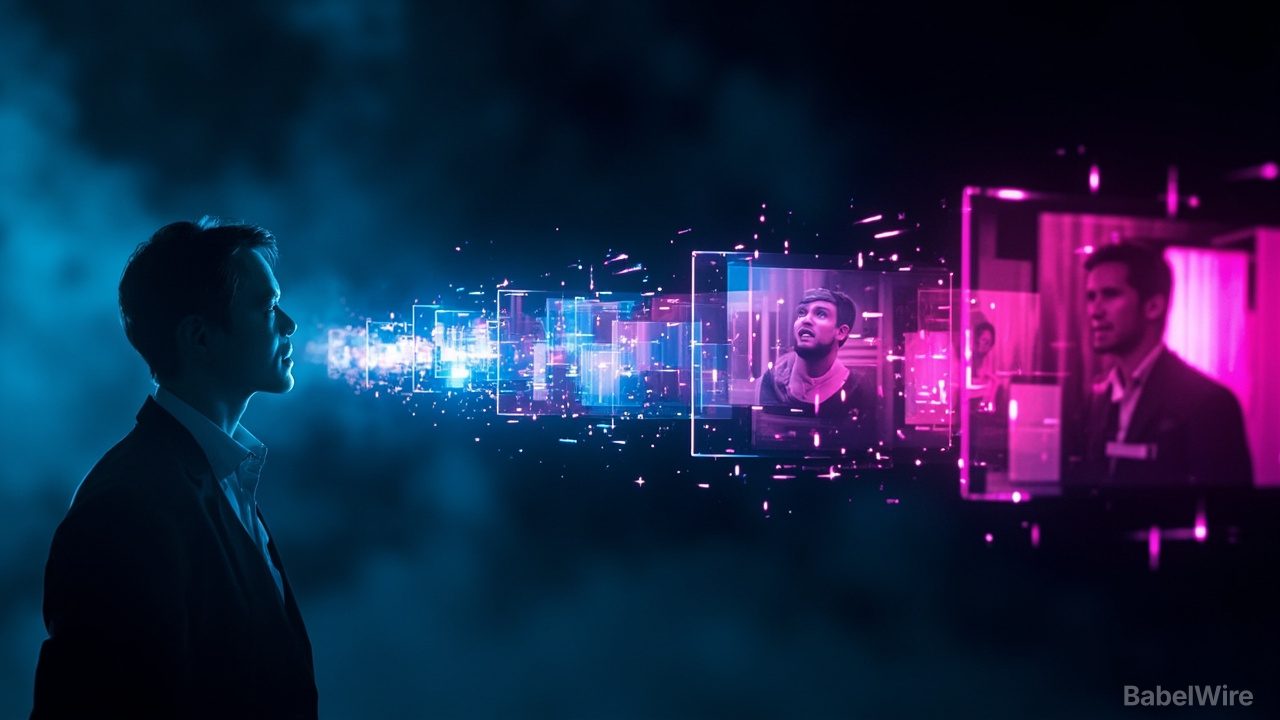
ByteDance has moved its latest human-video model into commercial service. BytePlus, the company's enterprise and overseas cloud arm, has made OmniHuman 2.0 available to customers, with the headline capability reported by Webrazzi: a single still image can become a video of a person lasting up to five minutes.
The first OmniHuman, released in early 2025, animated a portrait — lip-sync, gestures, head movement — from one image plus an audio or motion signal. The 2.0 generation pushes on duration and realism, the two axes that have defined competition in generative video.
The practical case is straightforward. A five-minute synthetic presenter from one photograph collapses the cost of localized advertising, corporate training video, dubbed content and avatar-driven interfaces. Where a shoot once needed a studio, talent and a schedule, it now needs a headshot and a prompt.
The risk side is equally clear. Long-form, photorealistic human video from a single photo is precisely the tool that makes video fraud and non-consensual imagery cheaper to produce at scale. That shifts the burden onto provenance: signed metadata such as C2PA, platform-side detection and identity verification for anyone moving money or signing contracts remotely.
That BytePlus sells the capability to enterprises rather than only through a consumer app matters too. It puts synthetic human video into ordinary business pipelines, where the output carries a company's brand rather than a stranger's upload.
Duration limits, pricing and licensing terms vary by region and plan; the BytePlus product listing is the place to confirm them.