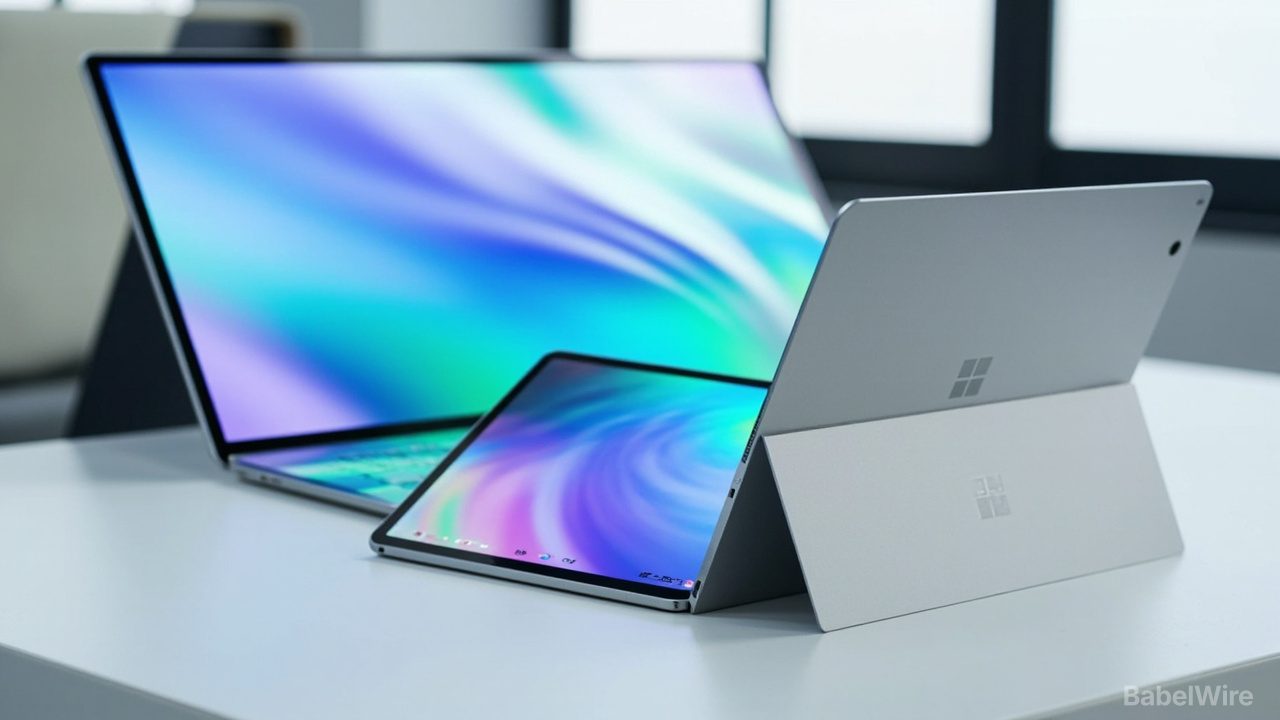
Microsoft has refreshed its Surface lineup with the second generation of ARM-powered devices, announcing updated12-inch Surface Pro and13-inch Surface Laptop models powered by Qualcomm's new Snapdragon X2 Plus processor.
What's New
The X2 Plus chip represents Qualcomm's latest iteration of its ARM-based PC processors. Compared to the original X Elite that launched the first-generation ARM Surface devices, the X2 Plus promises:
- 15–20% faster CPU performance across both single-threaded and multi-threaded workloads - 25% faster integrated GPU for better graphics and media editing - Improved Neural Processing Unit (NPU) rated at45 TOPS, up from45 TOPS in the X Elite but with architectural improvements that Microsoft says will accelerate on-device AI features - Better power efficiency, translating to longer battery life in real-world use
The Surface Laptop13-inch starts at$999 and the Surface Pro12-inch at$1,099, with configurations scaling up to32GB of RAM and1TB of storage.
ARM's Second Act
The first ARM-based Surface devices were a bold bet that Microsoft was willing to stake its flagship hardware on an architecture traditionally associated with mobile phones. Those devices received mixed reviews — while battery life was excellent, compatibility issues with some Windows applications and peripherals left some users frustrated.
Microsoft says the second generation addresses many of these pain points. The company claims that over95% of commercial Windows applications now run natively on ARM, up from roughly70% at the original launch. The remaining incompatibilities are handled through emulation, which Microsoft says has been significantly improved in the X2 Plus generation.
The AI Angle
Microsoft is positioning the X2 Plus Surface devices as its on-device AI platforms. The improved NPU is designed to handle AI workloads locally — image generation, real-time translation, meeting transcription, and Copilot features — without relying on cloud processing. This follows Microsoft's broader strategy of pushing AI capabilities to the edge, reducing latency and privacy concerns associated with cloud-based AI.
The devices ship with Windows11 and come pre-installed with Microsoft Copilot, which can now run certain tasks entirely on-device using the NPU.
Competition and Context
The refreshed Surface devices arrive in an increasingly competitive ARM laptop market. Apple's M-series MacBooks have set a high bar for ARM-based laptop performance and battery life, and Qualcomm's own ecosystem of Windows-on-ARM partners continues to expand.
Microsoft's bet is that tight integration between Windows, the Surface hardware, and Copilot's AI features will differentiate its offerings from both Apple and the growing field of Qualcomm-powered Windows laptops from other manufacturers.
The new devices are available for pre-order today and will ship starting October15.