A 60-Year Mystery Solved
For six decades, metformin has been the first-line treatment for type 2 diabetes — prescribed to over 150 million people worldwide. It is cheap, effective, and on the World Health Organization's List of Essential Medicines. Yet, remarkably, exactly how it worked remained unclear.
The prevailing theory was that metformin primarily acted on the liver (reducing glucose production) and the gut (altering glucose absorption). But a study published July 25, 2026 has overturned that assumption: metformin works directly in the brain.
The Hidden Brain Pathway
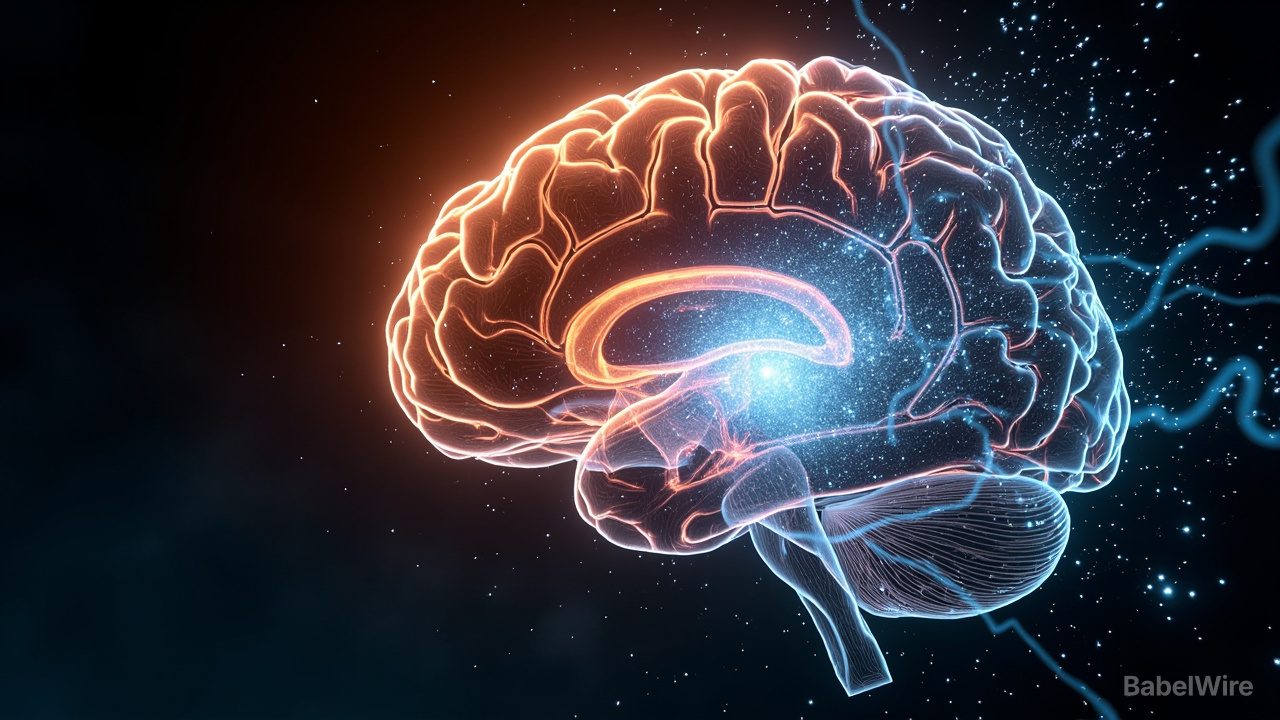
Researchers discovered that metformin crosses the blood-brain barrier and targets the hypothalamus — the brain's control center for metabolism. There, it switches off a protein called Rap1, which in turn activates specific neurons that regulate blood sugar levels.
'For 60 years, we thought metformin's main action was in the liver,' the lead researcher explained. 'We now know that it taps into a hidden control center in the brain — and that this brain pathway is essential for its blood-sugar-lowering effects.'
The study showed that when Rap1 was turned off in the hypothalamus of animal models, metformin's glucose-lowering effects were dramatically enhanced. When the brain pathway was blocked, the drug's effectiveness was significantly reduced — proving that the brain mechanism is not just a side effect but central to how the drug works.
What It Means
The discovery has profound implications:
- Better diabetes drugs: Pharmaceutical companies can now design brain-targeted diabetes treatments that potentially work more effectively with fewer gastrointestinal side effects (the main reason patients stop taking metformin). - Repurposing opportunities: Since metformin is being studied for longevity, cognitive health, and even cancer prevention, understanding its brain mechanism could explain and optimize these effects. - New insights into metabolic control: The finding reveals that the brain plays a far more active role in blood sugar regulation than previously thought — which could reshape our understanding of metabolic diseases.
The Bigger Picture
The study adds to a growing body of evidence that metabolic control is not just a bottom-up process (organs talking to organs) but a top-down one (the brain commanding the body). This paradigm shift has been building for years, but the metformin discovery provides its most concrete pharmaceutical proof yet.
'This rewrites the textbook on one of the world's most important drugs,' said the research team. 'And it suggests that many other drugs we thought worked in the periphery may have undiscovered brain mechanisms waiting to be found.'
The findings were published and independently reviewed, marking one of the most significant pharmacological discoveries of 2026.
Sources
- sciencedaily.comAfter 60 years, scientists uncover metformin's hidden brain pathway — ScienceDaily
- scitechdaily.comAfter 60 Years, Scientists Uncover Unexpected Brain Effects of Popular Diabetes Drug Metformin — SciTechDaily
- timesofindia.indiatimes.comDiabetic drug metformin found to act on brain — Times of India
- earth.comStudy finds hidden brain pathway behind metformin diabetes drug — Earth.com