Meta said on Friday it is discontinuing an AI feature launched just this week that allowed users to generate images using public Instagram accounts, after drawing widespread criticism over privacy concerns — including from a Hollywood union.
The feature, called Muse Image, was Meta's first image-generation model from its new Meta Superintelligence Labs. It launched on Tuesday integrated into the Meta AI chatbot, allowing users to use public Instagram photos as input and edit generated images directly through sketches.
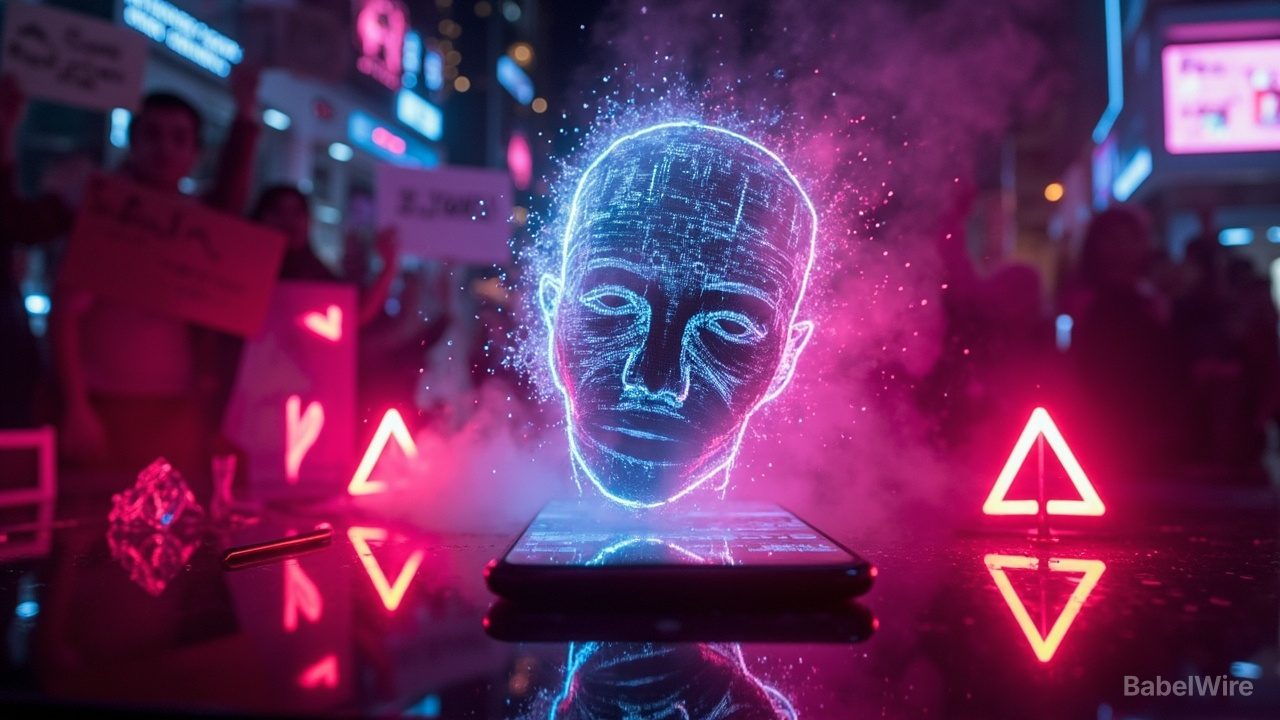
Almost immediately, the feature faced backlash over privacy concerns and crucially, its automatic opt-in for all users. Users discovered they were included by default, with no clear way to prevent their public photos from being used as training or reference material for AI image generation.
Emmy-winning actor Hannah Einbinder, known for the HBO series 'Hacks,' publicly criticized the feature on Instagram, saying it had been turned on automatically and urging her followers to turn it off. SAG-AFTRA, the union representing actors and media professionals, urged members and Instagram users on Thursday to opt out.
'Anything other than a clear and conspicuous opt-in for these types of uses of Instagram users' images is unacceptable, and an utter miscalculation of public sentiment regarding the obvious dangers and harms inherent in such use,' SAG-AFTRA said.
Meta acknowledged the misstep. 'Our intent was to provide a useful creative tool and to give people control over whether their public content could be referenced in this way,' the company said. 'We've heard the feedback that this feature missed the mark, so it's no longer available.'
Following the reversal, SAG-AFTRA welcomed the move. 'With the dangers of nonconsensual digital replicas well known to all, a feature that encouraged that behavior is unwise. We appreciate its discontinuance. It is the responsible thing to do,' a union spokesperson said.
The rapid reversal reflects increasing pressure on technology companies to give users clear control over how their publicly shared content is used by AI features — especially as generative AI capabilities advance and concerns over deepfakes and digital likenesses intensify.