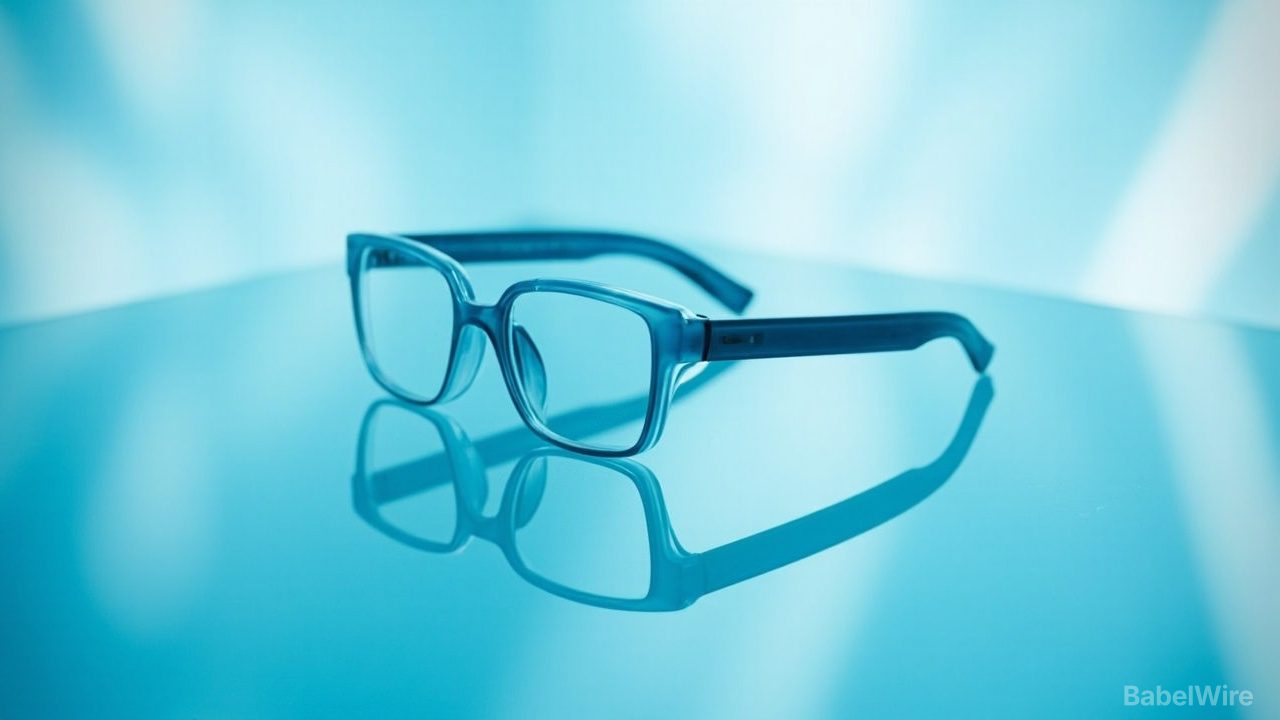
Meta has taken a decisive turn at its annual Connect conference, unveiling a new generation of smart glasses that deliberately leave cameras at home.
The Ray-Ban Meta Audio glasses, announced alongside the broader Meta Connect 2026 lineup, are the company's answer to years of mounting privacy backlash against face-mounted cameras. Unlike the original Ray-Ban Stories and the subsequent Ray-Ban Meta smart glasses — which drew regulatory scrutiny and public unease over their always-ready recording capability — the new Audio model strips out cameras entirely, focusing instead on AI-powered audio features, voice assistants, and seamless music playback.
The move signals a pragmatic acknowledgment by Meta that consumers and regulators alike are not ready to normalize cameras on faces in public spaces. "Meta Creep," as critics have labeled the phenomenon, has been a persistent thorn in the company's wearable ambitions. By removing the camera, Meta hopes to lower the social friction of wearing AI on your face.
But Meta didn't stop at audio glasses. The company also unveiled a pair of lightweight VR glasses — a device that represents Meta's latest attempt to make virtual reality wearable without the bulk of a traditional headset. The VR glasses feature an IMAX partnership, suggesting Meta is positioning them as a premium entertainment device rather than just a productivity tool. This marks Meta's second attempt at glasses-form-factor VR, following earlier prototypes that never reached mass production.
The announcements also included the Ray-Ban Meta Gen 3, which retains cameras but positions them as a more refined, privacy-conscious product with clearer indicator lights and improved data handling. The three-tier strategy — audio-only, camera-equipped, and VR — gives Meta a broader surface area in the wearable market while segmenting privacy-sensitive users away from the more capable (and controversial) camera models.
The broader Connect 2026 keynote covered Meta's AI roadmap, its metaverse investments, and new developer tools, but the glasses announcements dominated the conversation. For an industry grappling with the tension between AI-powered convenience and personal privacy, Meta's camera-free pivot is both a concession and a bet: that the future of AI wearables is audio-first, and that trust must be earned before cameras can be normalized on faces.
Sources
- wired.comWired — Meta VR Glasses, Ray-Ban Meta Audio, Ray-Ban Meta Gen 3: Specs, Features, Prices
- techcrunch.comTechCrunch — Meta introduces camera-free AI glasses
- theverge.comThe Verge — Meta's next VR device isn't a headset — it's glasses
- wired.comWired — Meta Pinky-Promises Its Smart Glasses Will Be Private Soon
- techcrunch.comTechCrunch — Meta is trying VR glasses (again), this time with more IMAX
- theverge.comThe Verge — Meta Connect 2026: The biggest news and announcements
- theverge.comThe Verge — Meta ditches the camera on its newest smart glasses