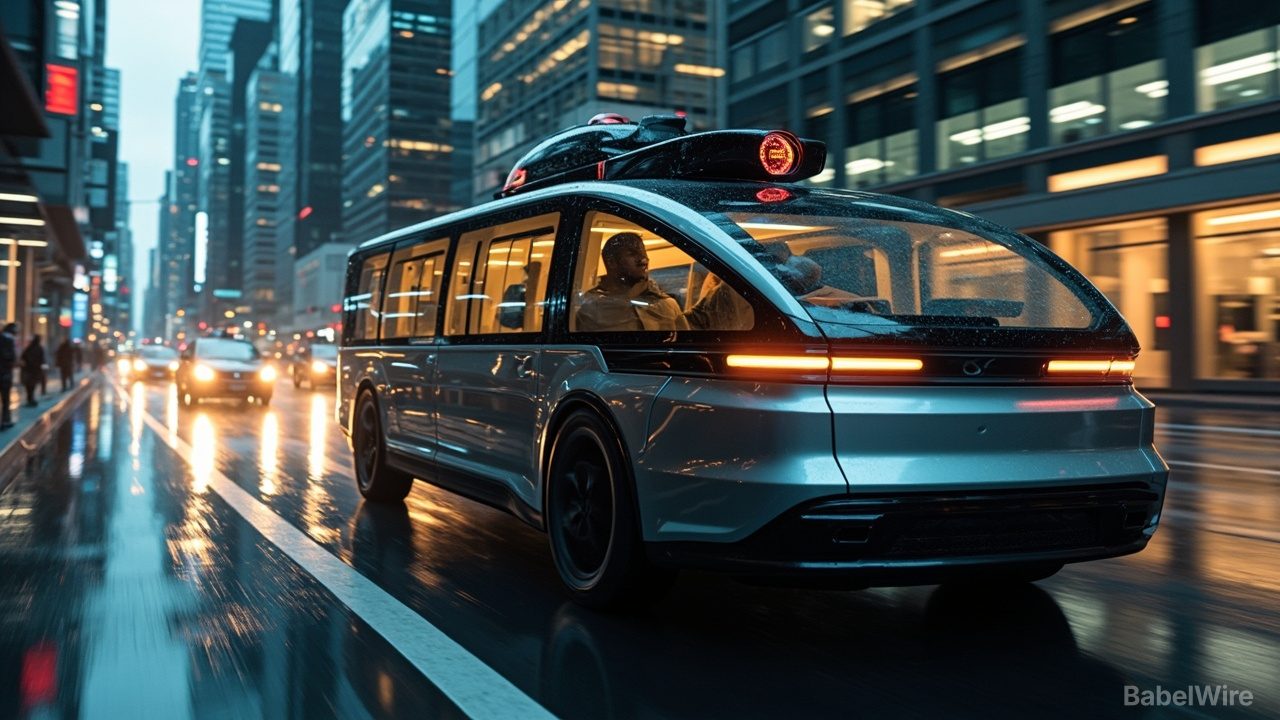
Lyft has officially entered the robotaxi race, marking the latest major ride-hailing platform to pursue autonomous vehicle deployment. The move puts Lyft in direct competition with Waymo -- which recently made headlines for calling police on teens carrying a ghost gun in one of its autonomous vehicles -- Tesla's Robotaxi platform, and a growing field of autonomous mobility startups.
The announcement signals Lyft's ambition to evolve beyond its current model of connecting passengers with human drivers. As autonomous vehicle technology matures and regulatory frameworks develop, ride-hailing companies face a strategic fork: invest in their own autonomous capabilities or risk being disrupted by dedicated self-driving companies.
Lyft's entry adds another player to an increasingly crowded market. Waymo has been expanding its service area and building real-world operational experience. Tesla has been developing its own vision-based autonomous system. Meanwhile, several startups are targeting specific geographic markets and use cases.
The robotaxi space has drawn intense regulatory scrutiny, particularly after incidents involving autonomous vehicles and law enforcement. However, the potential market is enormous -- autonomous ride-hailing could eventually displace the majority of traditional taxi and ride-hail trips.