A 250th Anniversary Interrupted
As the United States celebrates its 250th anniversary of independence, a punishing heat wave has forced the cancellation and postponement of events across the country — and scientists say this extreme heat simply would not exist without climate change.
A rapid attribution analysis from World Weather Attribution, an international consortium of climate researchers, found that the current heat wave blanketing much of the central and eastern United States would have been "virtually impossible" in a world without human-caused global warming.
The Numbers
Even in our current, warmed climate, such extreme heat events remain rare — the analysis estimates they occur roughly once every 200 years. But the researchers calculated that without the 1.4°C (2.5°F) of warming caused primarily by burning fossil fuels, an event of this severity would not be expected even once in many thousands of years.
"The climate the country has today is fundamentally different to the one it had when the founding fathers signed the Declaration of Independence," said Theodore Keeping, extreme weather and wildfire researcher at Imperial College London.
What's Happening on the Ground
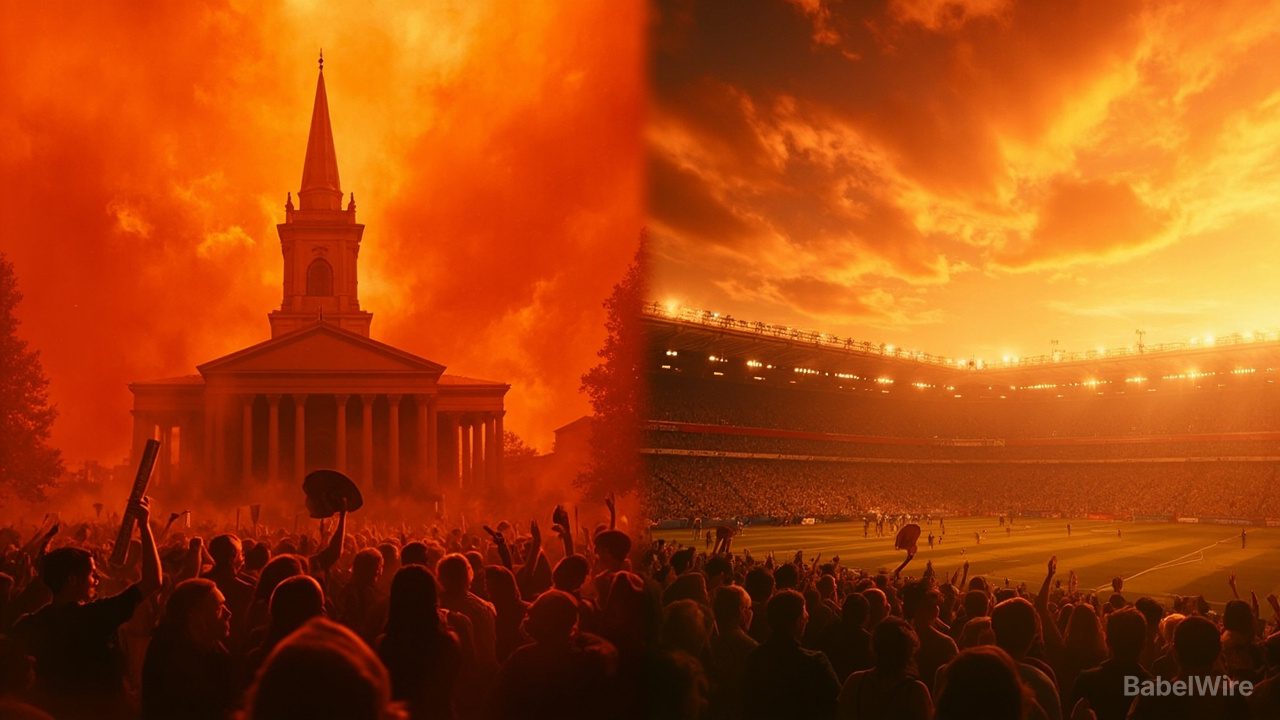
In Washington DC, the centerpiece of the 250th anniversary celebrations, temperatures soared as thousands gathered for the "Great American State Fair." By 1 PM local time on Friday, outdoor events were postponed until 5 PM, and attendees were ushered to the exits.
The heat is also affecting the 2026 World Cup. France's match against Paraguay in Philadelphia and a Miami game between Cape Verde and Argentina face conditions that players' unions have said should trigger match delays or postponements.
In Muhlenberg Township, Pennsylvania, more than 100 people required heat-related medical treatment on Thursday, with officials treating it as a mass casualty event involving ambulances, cooling buses, and triage tents.
Amtrak canceled more than two dozen trains in the Northeast due to heat-related concerns from Wednesday through Saturday.
The Warning
"When a historic Fourth of July celebration is disrupted, and World Cup matches are played in conditions that are unsafe for players and fans, it shouldn't take another scientific study to wake people up," said Friederike Otto, professor of climate science at Imperial College London. "Climate change is here; it's already impacting the things we enjoy in our everyday lives."