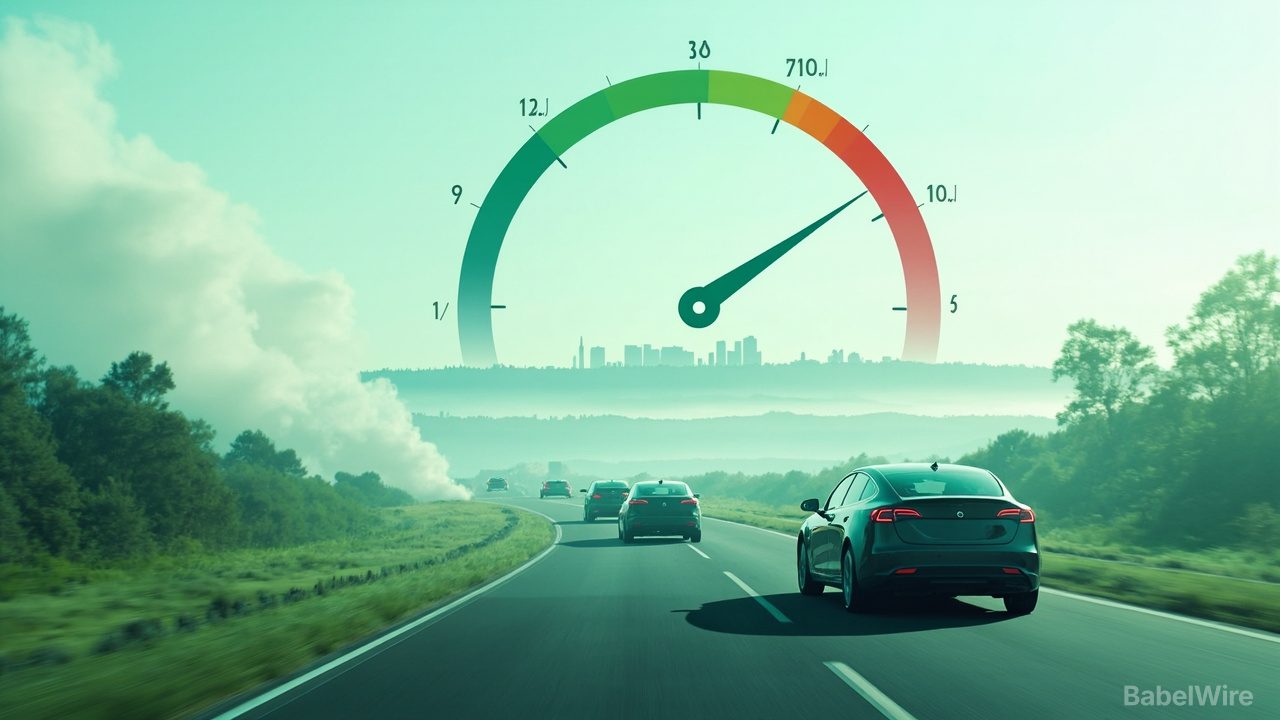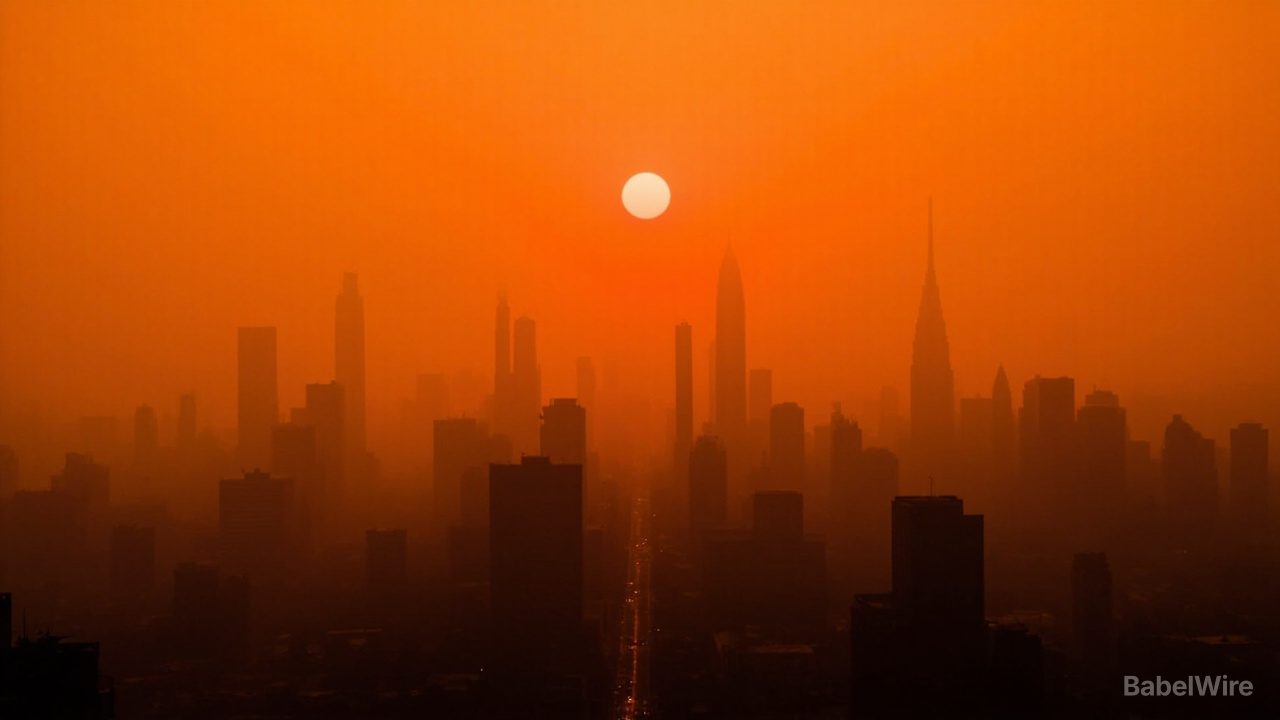
A massive wildfire smoke pollution event of historic proportions is sweeping across North America, as dozens of out-of-control wildfires in northern Minnesota and adjacent Ontario push air quality to catastrophic levels not seen since records began.
According to Yale Climate Connections meteorologist Dr. Jeff Masters, the fires are bringing "the worst air quality on record to much of the Great Lakes, mid-Atlantic, and Northeast United States." Fine particulate matter (PM2.5) — the most dangerous air pollutant — has reached far into the "Hazardous" range across five states since Wednesday.
Record-Shattering Air Quality Index Readings
- Duluth, MN: 934 AQI (old record: 159) - Chicago: 511 AQI (old record: 246) - Detroit: 490 AQI (old record: 226) - Milwaukee: 414 AQI (old record: 270) - Flint, MI: 343 AQI (old record: 178)
Fifty official EPA monitors recorded 24-hour AQI in the "Hazardous" range on Thursday — compared to just three during the infamous June 2023 smoke event. An AQI above 300 is considered hazardous for everyone. A PurpleAir sensor near the Boundary Waters in Minnesota recorded a staggering AQI of 3,567 — eleven times the hazardous threshold.
The Climate Connection
The crisis was triggered by the strongest upper-level ridge of high pressure ever observed in the north-central U.S., bringing all-time record heat exceeding 100°F (37.8°C). Thunder Bay, Ontario hit 39.5°C (103.1°F), smashing its all-time record. Climate Central reports the extreme heat was made up to five times more likely by climate change.
As of Friday, there were 193 active fires covering 1.7 million acres in Ontario alone, with the vast majority out of control. Six large fires in northern Minnesota are all at 0% containment. At least two massive pyrocumulus clouds — thunderstorms spawned by fire heat — reached the stratosphere.
Health Emergency
On Friday morning, the top five most polluted cities in the world were all in North America: Detroit, Chicago, Washington D.C., Toronto, and New York City. The smoke is coinciding with a severe heatwave, creating a dangerous combination. A 2025 study estimated the comparable 2023 wildfire smoke event caused 33,000 premature deaths in the US alone.
Relief is forecast for the weekend as a cold front moves through, but renewed smoke invasions are expected Saturday night into Sunday. Forecasters warn the fires could continue burning until October snows arrive.
Sources
- yaleclimateconnections.orgDangerous and historic wildfire smoke pollution event engulfs the U.S. and Canada — Yale Climate Connections
- nytimes.comSmoke Pushes Air Quality to Dangerous Levels for Millions — New York Times
- bbc.comCanada fires prompt US air quality alerts — BBC News
- www-cdn.abcnews.comCanadian wildfire smoke triggers air quality alerts across 17 U.S. states — ABC News