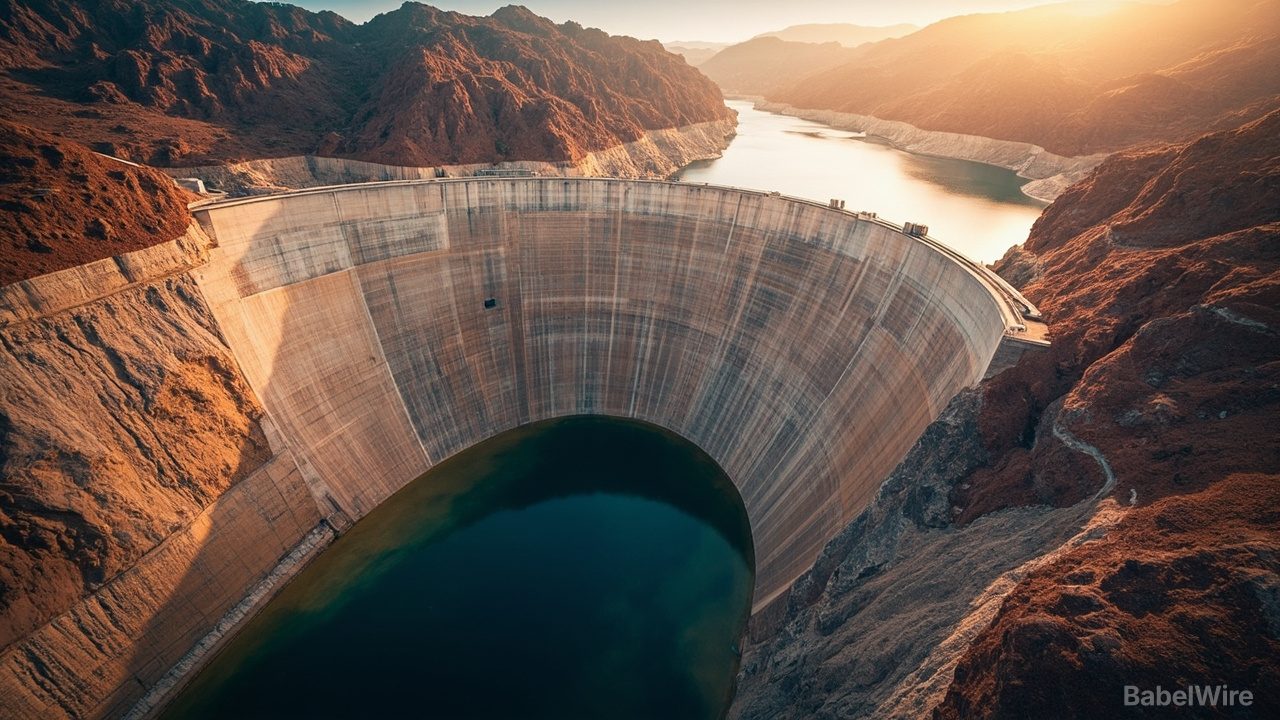
A comprehensive study published in Nature Sustainability has revealed that sediment buildup is silently filling the world's reservoirs at an alarming rate. Researchers assessed more than 550,000 reservoirs globally and found that almost one in five are currently at high risk of filling with sediment. The study estimates that sedimentation is eating into global reservoir storage capacity at about 7.3% every decade.
Without effective intervention, the researchers project that by 2060, more than half of all reservoirs could become functionally inoperable. This includes 58.6% of small reservoirs and 38.1% of large reservoirs worldwide. The threat is especially acute in 16 global hotspots that endanger water supplies to more than 2 billion people and impact over a quarter of global irrigated land.
The western United States is identified as a major hotspot. North America's sedimentation rate of 7.8% per decade exceeds the global average. The region has many small dams built from the 1940s to 1970s as farm ponds that are now filling up with sediment. In California, more than half of small reservoirs in maize-growing areas are filling at rates exceeding 10% per year.
Climate change is expected to worsen the problem through more extreme weather events, droughts, and wildfires that increase sediment runoff. Dams are designed to cope with water pressure, not the greater force exerted by sediment. In seismically active areas, sediment vibrates at different frequencies than dam concrete, creating additional structural stress.