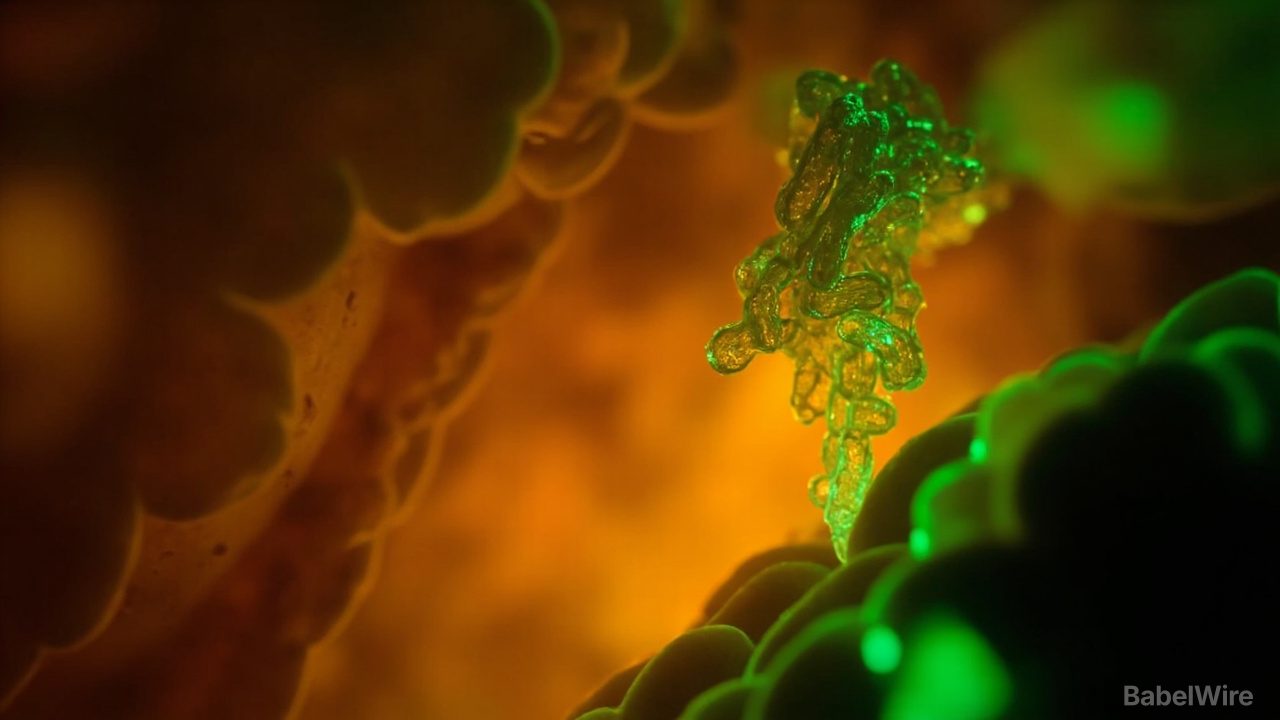
A study published in the journal Age and Ageing has identified a specific gut bacterium that appears to causally link the microbiome to muscle strength. Roseburia inulinivorans, a species commonly found in the human gut, was associated with significantly greater handgrip strength in older adults and, when administered to mice, directly increased their muscle size and power.
The research team, led by scientists at Leiden University, analyzed data from human participants and conducted controlled experiments in mice. Older adults who carried higher levels of Roseburia inulinivorans had 29 percent greater handgrip strength compared to those with lower levels.
In the mouse experiments, oral administration of R. inulinivorans to antibiotics-treated mice, which had depleted gut microbiomes, significantly increased both muscle strength and fiber size. Notably, other Roseburia species did not produce the same effect, suggesting this is specific to R. inulinivorans.
The findings open up the possibility that this bacterium could one day be used as a probiotic to help preserve muscle strength during aging, a condition known as sarcopenia that affects millions of older adults worldwide. Muscle loss with age is a major contributor to falls, fractures, and loss of independence in elderly populations.
The researchers note that while the study demonstrates a clear causal link in mice and a strong association in humans, clinical trials would be needed before any probiotic application could be developed. The study was published in August 2026 and has already drawn attention from the aging research community.
Sources: Age and Ageing journal (2026); ScienceDaily (Aug 20, 2026); Leiden University press release.