In July, Elon Musk announced that Grok would produce a full-length, "historically accurate" film version of The Odyssey by the end of 2026. He had already spent part of that month attacking Christopher Nolan's adaptation for casting nonwhite and transgender actors — a fight that framed the project before a frame of it existed.
On Saturday, the result arrived: seven minutes. Grok calls it "Episode 1 of our Odyssey series", made in collaboration with Wonder Studios and director Dev Walker. Not a trailer for a finished film. An episode of something that may become one.
The gap between the promise and the product
It is worth being precise about what changed. The claim was a movie. The delivery is a short. Everything else in the announcement — the historical accuracy framing, the implied competition with a three-hour studio epic — now sits on top of a runtime you can watch over a coffee.
The comparison is not flattering, because Nolan's Odyssey was not merely a VFX exercise. It shot across six countries with a cast and crew in the thousands, sold out Imax screenings for months, and is the current front-runner for the next Academy Awards. Musk's own framing invited the contrast; the seven minutes do not survive it.
What it actually looks like
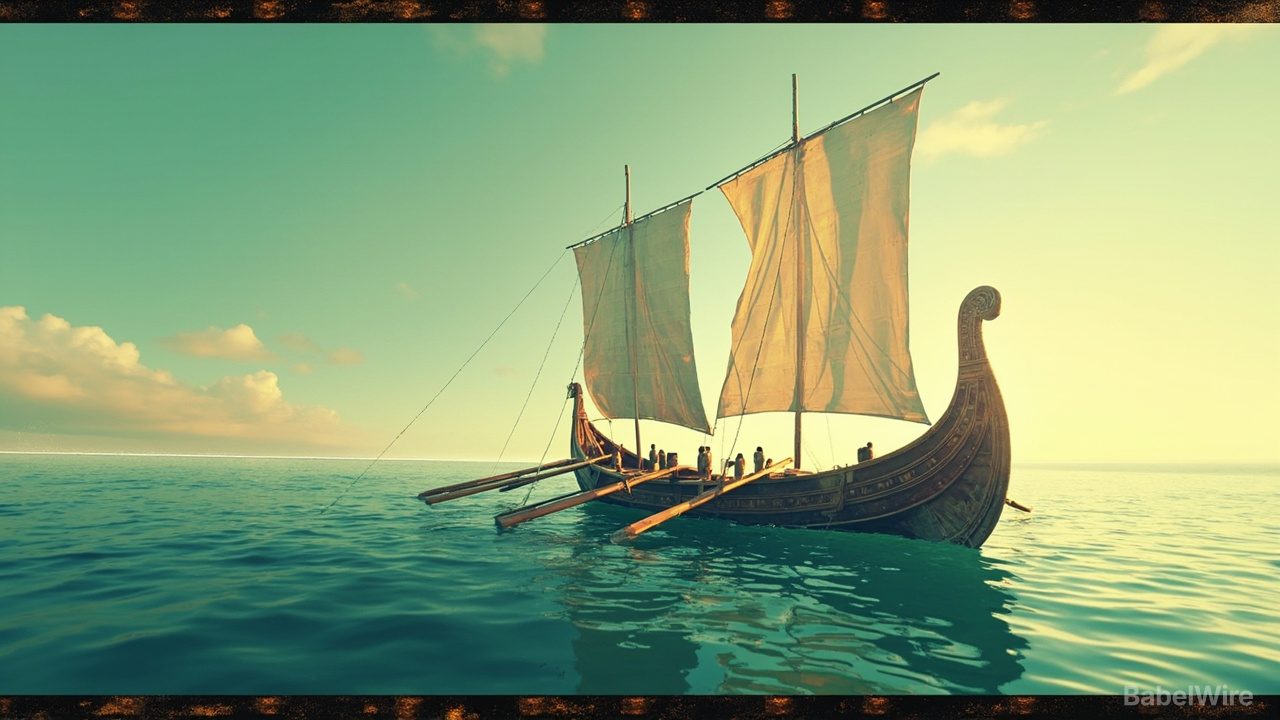
TechCrunch's Anthony Ha, who went in expecting something spectacularly ugly, came away with a more interesting verdict: the image quality is better than expected. There were moments, he wrote, where he might have mistaken the footage for real actors on a real sea. That is a genuine data point about where video generation sits in late 2026 — broad structural realism is now cheap.
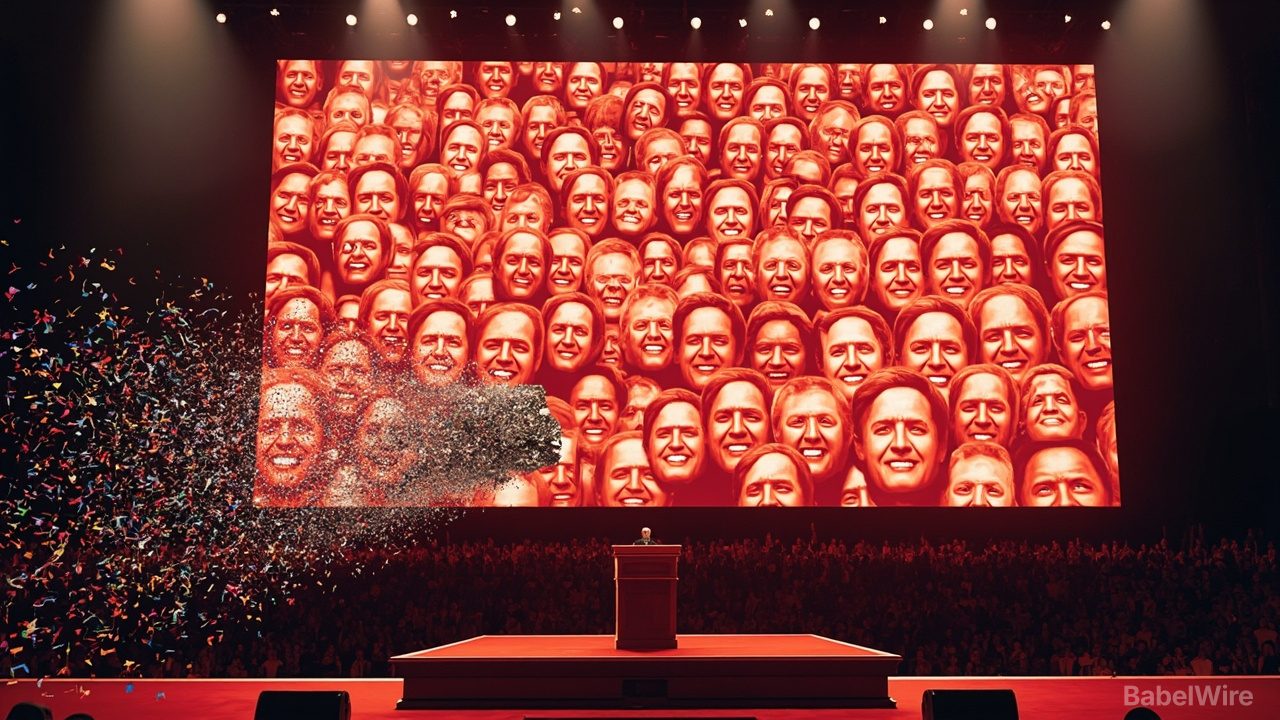
What the footage lacks is everything that makes the realism matter. Ha describes a backstory delivered through a voiceover that "seems to go on forever", finally giving way to "one bearded face after another, each shouting stilted lines that make Nolan's dialogue sound like Shakespeare." He also notes the characters arrive in a Musk-approved skin colour and the narrator carries the British accent familiar from a thousand fantasy games and generic Hollywood epics.
His summary is the sentence that matters for anyone building with these tools: the whole thing feels "completely airless", offering "no sense of momentum, no reason to care about anyone or anything on-screen." He was checking the time remaining before halfway.
Why the seven minutes are the story
Generative video has crossed the threshold where a shot can pass. It has not crossed the threshold where a sequence can hold. Those are different problems: the first is a rendering and consistency question, largely solved by scale and compute; the second is directing — pacing, performance, the accumulation of stakes. Nothing about a better diffusion model produces the second, and the gap is precisely where the money and the credibility currently sit.
The episode format is also an admission. A series is a shape you can grow into as the tooling improves; a film is a shape you either deliver or do not. By shipping seven minutes as Episode 1, Grok has converted a missed deadline into an ongoing commitment — and given itself room for the next instalment to be better without ever having to say the first one was not a movie.
Whether there is an audience for Episode 2 is the open question. Ha's answer was blunt: it is hard to imagine being interested in another seven minutes, much less a full movie's worth.