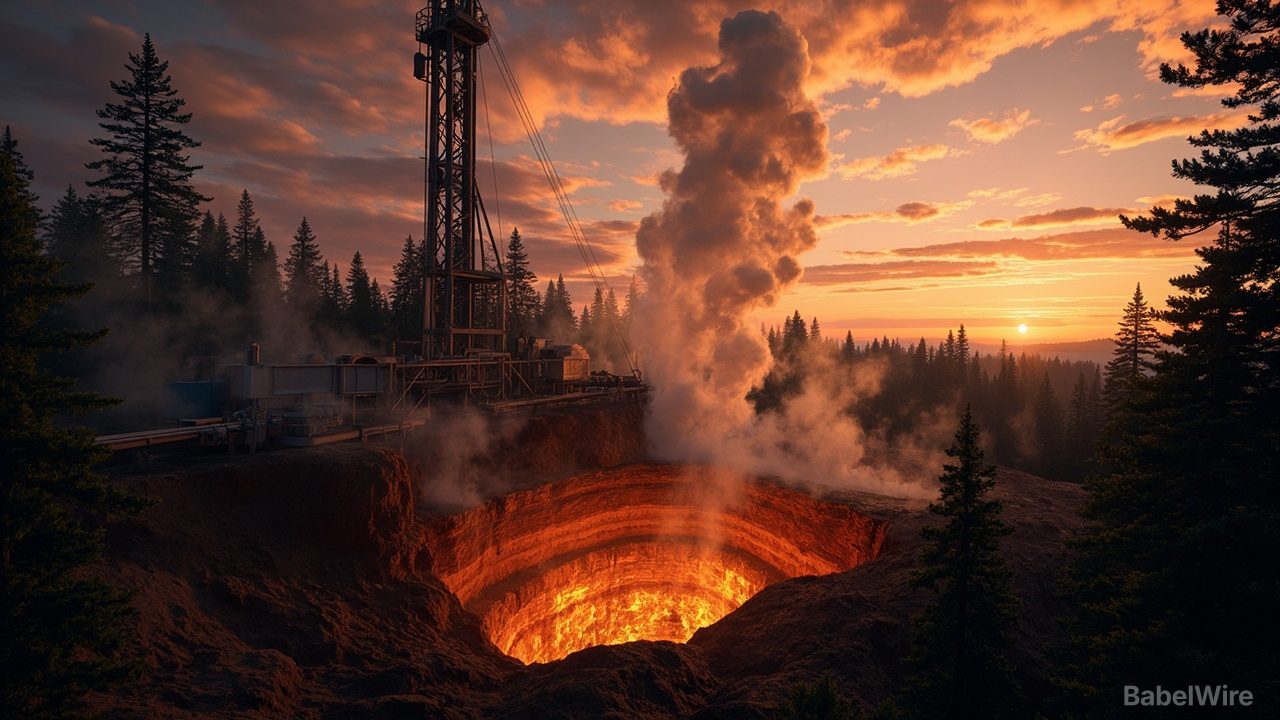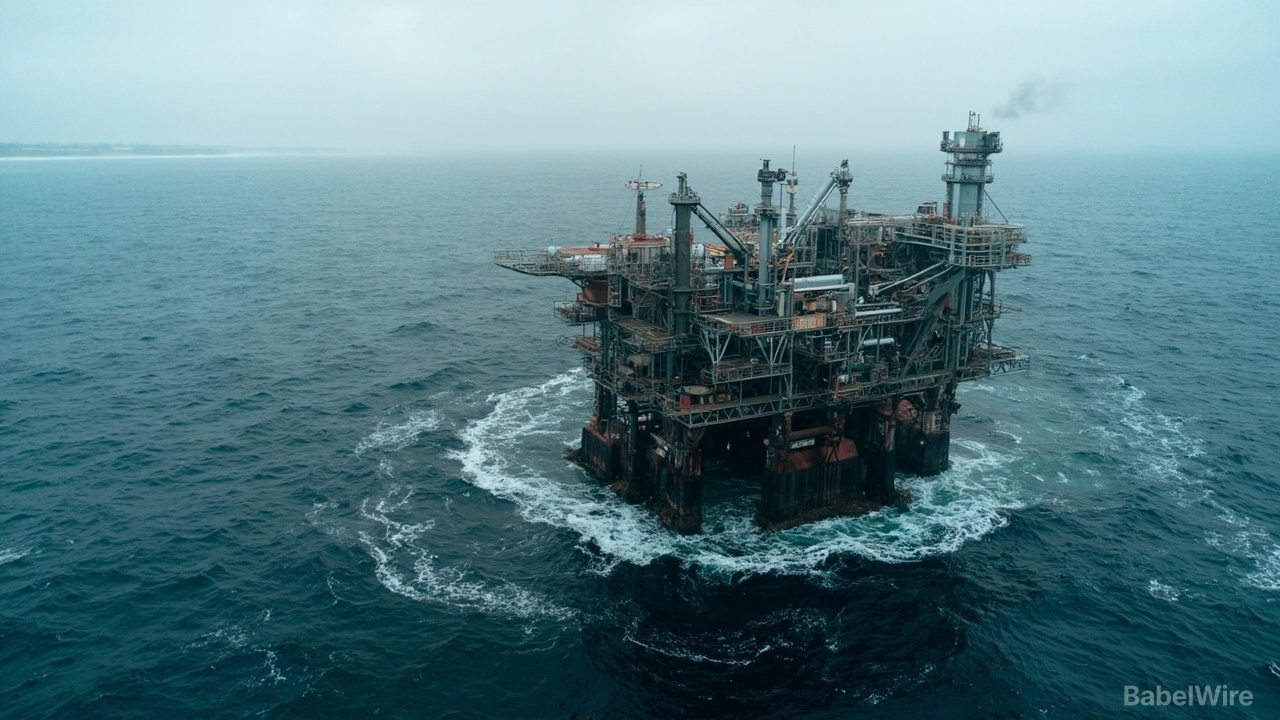
Denmark has officially launched regular commercial operations at the Greensand carbon capture and storage (CCS) facility in the North Sea, marking a milestone for European climate technology. King Frederik X. inaugurated the site at a ceremony in the port city of Esbjerg.
Since 2023, the project had been in a pilot phase on the decommissioned Nini West oil field, storing approximately 15,000 tonnes of liquefied CO2 per year at roughly 1,800 meters beneath the seabed. In regular operations, the facility will now accept up to 400,000 tonnes annually — a 25-fold increase.
The consortium behind the project — British chemical giant Ineos, Harbour Energy, and the Danish state company Nordsøfonden — says Greensand is the first CCS facility in the EU to store CO2 at industrial scale. The long-term target is 4 to 8 million tonnes per year.
Critics argue that even the scaled-up capacity is negligible by European standards. Brian Vad Mathiesen, a professor of sustainable energy planning at the University of Aalborg, described 4–8 million tonnes annually as unimaginably little. He also noted that the technology remains too expensive for most industrial operators.
Germany's governing coalition approved underground CO2 storage last year as part of its pathway to climate neutrality by 2045. Chancellor Friedrich Merz has cited both climate and economic opportunities for German industry in CCS technology.