Chemists at The Ohio State University have developed a process that converts captured carbon dioxide and industrial waste into green hydrogen and high-purity calcite, reporting that the approach could produce clean fuel at a projected cost of less than $1 per kilogram — competitive with fossil-derived hydrogen.
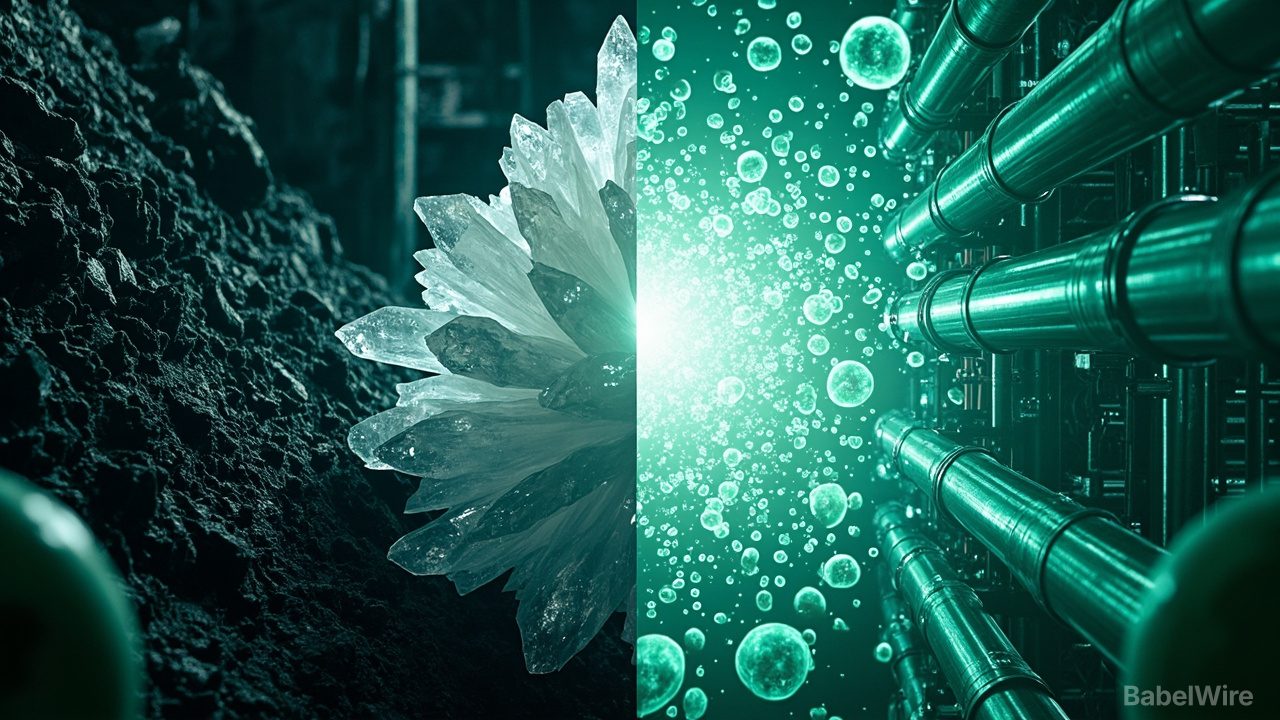
The study, published July 8 in ACS Energy Letters, was led by postdoctoral researcher Tomaz Neves-Garcia with senior author Robert Baker. In the first demonstration, the team reacted CO2 with industrial by-products such as steel slag and coal ash. The gas permanently forms high-purity calcite, a widely used mineral with applications ranging from construction materials to pharmaceuticals and agriculture.
Crucially, the chemical reactions reduce the energy required for water electrolysis, the process that splits water into hydrogen and oxygen. With ordinary grid electricity, the team produced hydrogen with negative emissions. "Instead of wasting energy, we are actually creating value and creating energy," Neves-Garcia said. "Our technology does not treat CO2 as a burden that must be managed."
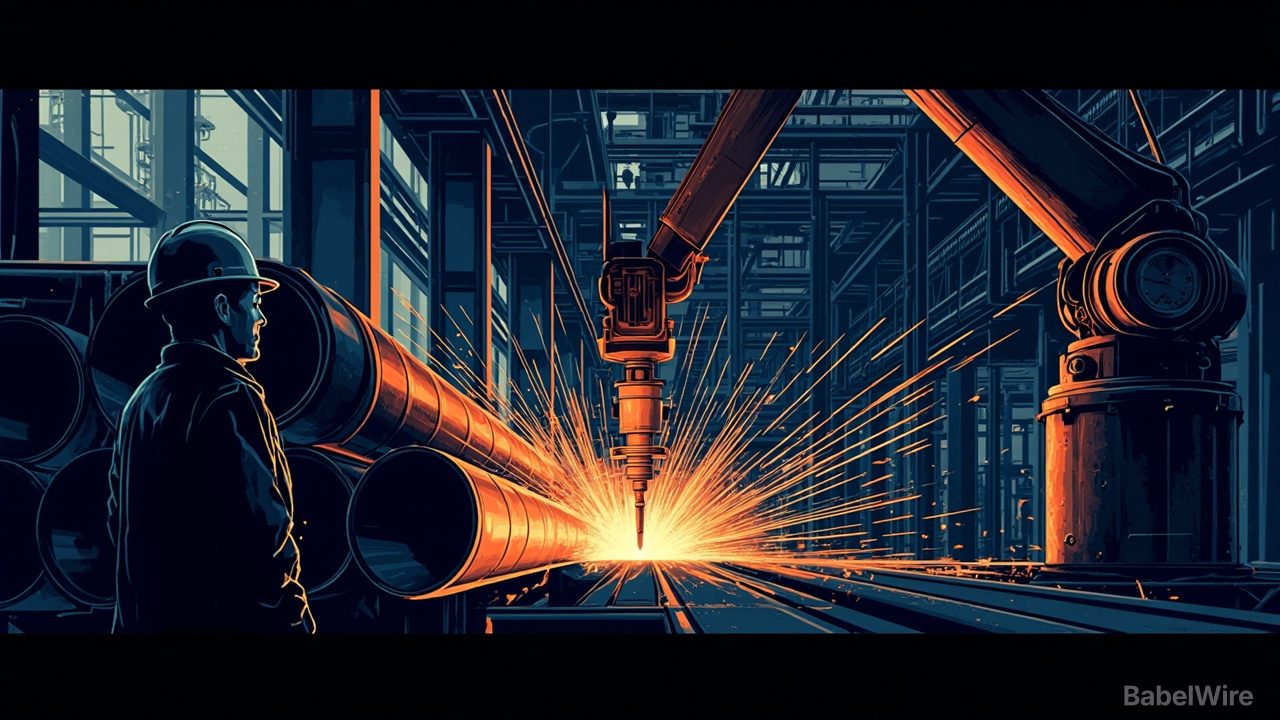
Because the process relies on abundant waste streams rather than specialized materials, it offers a sustainable way for the steel and coal industries to transform unwanted by-products into valuable products. "This technology is exciting because it takes two abundant waste streams and converts them to valuable products, which are in high demand for fuels and manufacturing," Baker said, adding that it could have significant economic impact "without relying on carbon credits, government subsidies or environmental mandates."
If widely implemented across interconnected sectors, the researchers estimate the technology could prevent about 500 million metric tons of carbon dioxide pollution annually. "Climate solutions do not only have to not be more expensive, they can also be simpler, scalable and economically attractive," Neves-Garcia said. "We have the ability now to implement them." The work was supported by the Camille and Henry Dreyfus Foundation.