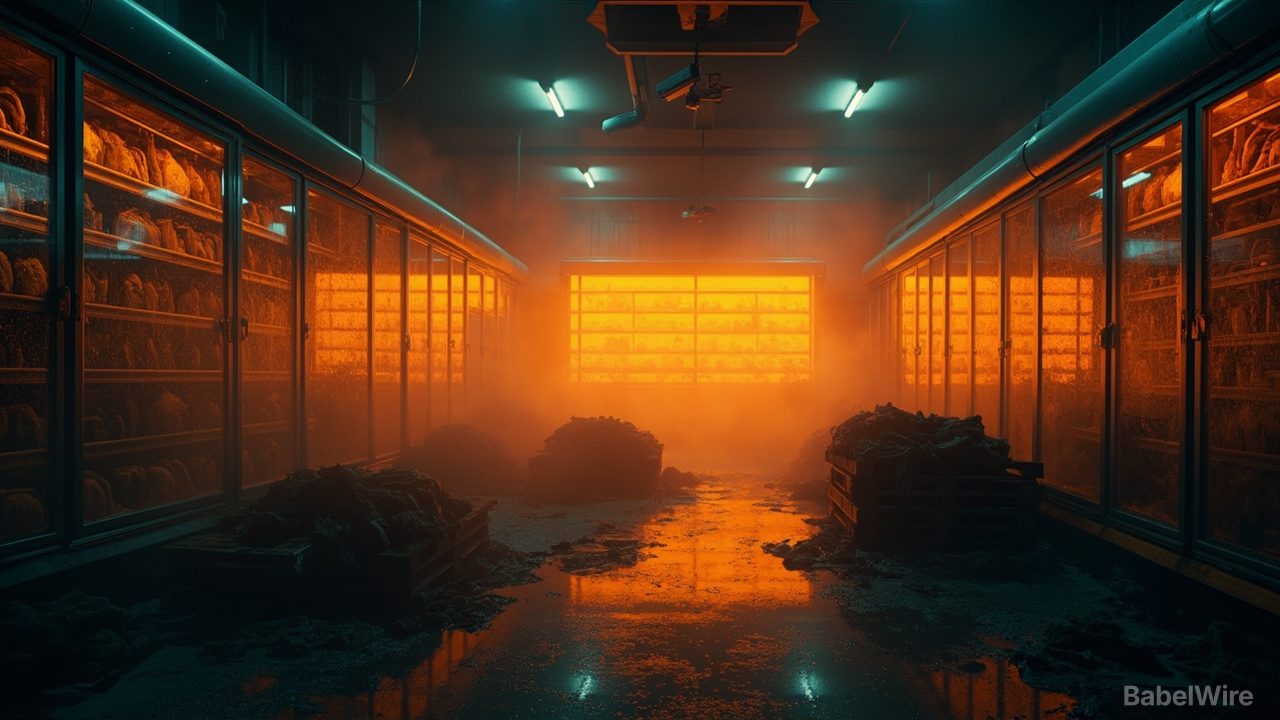
The supermarket refrigerators are, as of this week, no longer just a criminal matter in Germany. The Federal Office for the Protection of the Constitution (BfV) told Handelsblatt that the incidents are "the subject of ongoing intelligence investigations", and that the Joint Centre for Combating Hybrid Threats — GAZ Hybrid, where police work alongside the BND foreign intelligence service and the MAD military counter-intelligence — is also dealing with the case. Spiegel reports the same shift.
That is the news: not that cooling shelves were manipulated — that has been happening for weeks — but that the state now treats the attacks as a security problem rather than a break-in with a data connection.
The damage ledger remains strange. Rather than encrypting anything, attackers switched temperature controllers into defrost or heating mode; stores measured up to 50°C. According to the BBC, those hit include around 40 Delhaize stores in Belgium and Luxembourg, 13 SuperValu branches in Ireland, several ICA and Coop shops in Sweden, K-stores in Finland, Selver in Estonia and, per manufacturer Danfoss, at least 17 companies in the Netherlands. In France, hundreds of supermarkets were hit first in October; later the cooling systems of blood banks were probed too.
The way in was cheap: automated scanners found exposed systems, known flaws in outdated software and unchanged default passwords did the rest, and in at least one case an external maintenance contractor was the door. Sabcobel chief executive Stephan Moelans told agency Belga that the units needed physical modification, not just updates.
That is where the political problem sits. The affected retailers fall below Germany's KRITIS thresholds, which start at 500,000 people served, so the government sees no immediate threat to food supply. But that threshold says nothing about what a hacked cold room costs, how far a supply chain reaches, or how many units of blood become unusable at 50°C. One branch in Hoeilaart put its loss at €100,000, before counting the cost of closing.
And nobody knows who did it. The interior ministry says it has no findings that would allow a clear assignment to an actor or a state, and that a final assessment would require detailed analysis. The case therefore sits between crime, sabotage and hybrid warfare — and the services have to work it without being able to name it.
The warnings are more concrete than the attribution. The FBI and CISA have flagged internet-connected temperature controllers, the BSI wants direct internet access blocked and updates installed, and the eco association is asking for audited remote-maintenance access and for service providers to be treated as part of the security perimeter. The EU's Cyber Resilience Act, which puts lifecycle security obligations on makers of digital products, is the medium-term answer — and arrives too late for the units already bolted to the wall.
One American thread remains open: the BBC reported that authorities are investigating refrigeration malfunctions at several US military bases in August and working with French officials on whether they are linked. Whether the wave against shop fridges was opportunistic crime, a coordinated campaign against European food retail, or a rehearsal is still unresolved. Only the number of agencies asking the question has grown.



