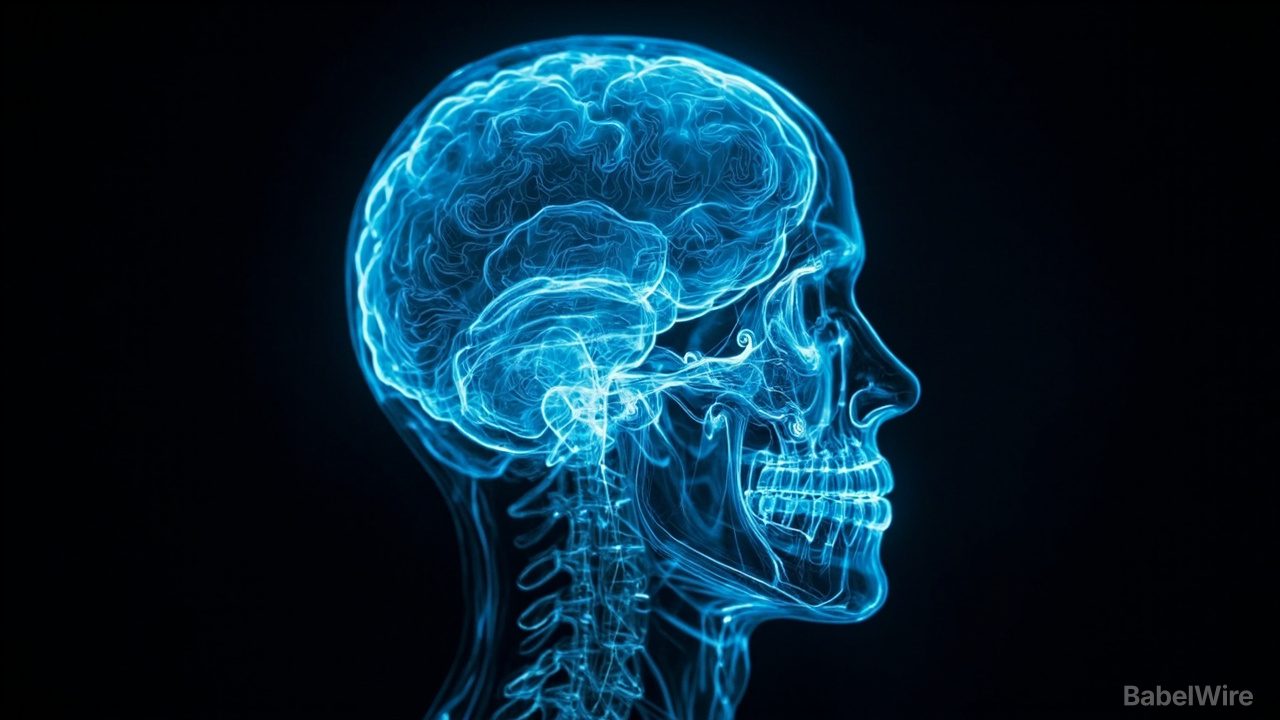
Modern neuroscience and psychoanalysis may have far more in common than many people realize, according to a new paper published in the journal Entropy. Researchers from the University of Oslo argue that today's leading model of brain function shares striking similarities with ideas that originated with Sigmund Freud more than 130 years ago.
At the center of the comparison is the "predictive processing" paradigm, one of the dominant theories in modern neuroscience. According to this model, the brain constantly generates predictions about what will happen next and updates them by comparing with incoming sensory information — shaping perception, behavior, and emotional regulation.
"For over 130 years, psychoanalysis has developed psychological theories about how predictions take place at a subjective level, which cognitive neuropsychology is now studying at a physiological level," said researcher Erik Stänicke of the University of Oslo's Department of Psychology.
The paper highlights the psychoanalytic concept of projection as closely related to the brain's predictive processes. When we attribute qualities or intentions to other people, our brain shapes experience based on established expectations — a process that mirrors the neuroscientific distinction between perceptual inference (changing one's predictions) and active inference (making the world conform to them).
The researchers also found parallels in how both frameworks describe mental disorders. Rigid symptoms like paranoid ideas or a persistent internal critic may represent stable but inflexible prediction models — deeply rooted mental patterns that persist because they reduce uncertainty, even when they distort reality.
"Therefore, psychotherapy sometimes has to work relationally," Stänicke explained. "New experiences in the relationship between therapist and patient can gradually help to change entrenched relational patterns."
The team suggests that predictive neuroscience could provide a biological foundation for psychoanalytic ideas, while psychoanalysis could help neuroscience understand how predictions are experienced subjectively.
"Bringing these two fields together can open up for a more holistic psychology, in which both neurological mechanisms and subjective experience are included," the researchers concluded.