TechCrunch reported on Saturday that Flaming Hydra has launched a Kickstarter campaign it describes as a rethink of e-book ownership and digital lending — a small, crowdfunded experiment aimed at the most irritating fact of the digital book economy: you rarely own the book you bought.
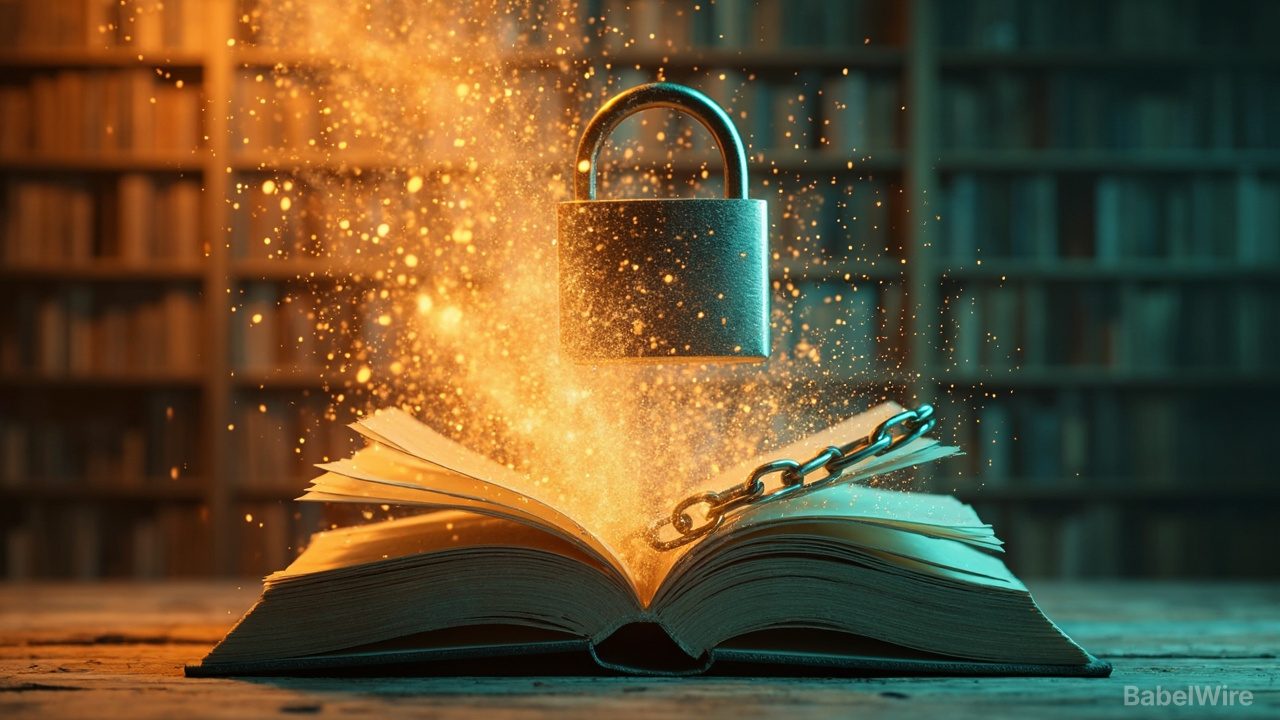
The problem is not new. When you tap "buy" on an e-book, you are usually buying a licence that can be revoked, reformatted, or moved to another device only if the seller allows it. The most famous demonstration came in 2009, when Amazon remotely deleted customers' copies of Nineteen Eighty-Four and Animal Farm from their Kindles. The terms buried under the storefront have not changed much since: the file you paid for lives at the pleasure of an account, a format, and a company that may not outlast your shelves.
Lending is the other half of the fight. Publishers and public libraries have argued for years over how digital copies may be lent, for how long, and how many times before the library's copy expires and must be bought again. Those rules decide whether a patron gets the book at all, and they are set by contract rather than by the old logic of a physical copy that wears out on its own.
That is the gap Flaming Hydra's campaign is trying to test, and the wager is as much cultural as technical: that enough readers care about durable ownership to back a crowdfunded attempt, rather than wait for large platforms to loosen terms they have little reason to change.
Whether the approach can scale beyond a dedicated readership is the open question. But its arrival points to a shift in how the argument is framed — not as nostalgia for paper, but as a demand for the same durability in digital form: a file that still opens when the store that sold it no longer does.