Cosmic Beacons from the Dawn of Time
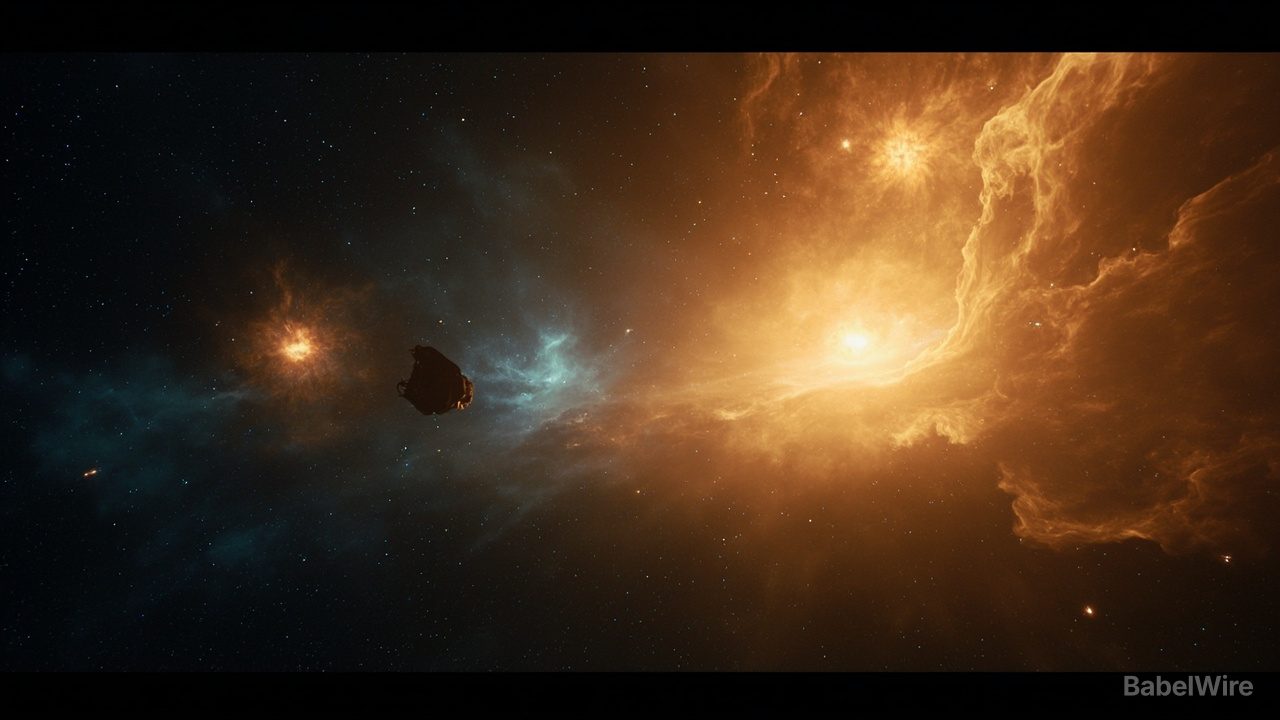
ESA's Euclid space telescope has discovered 31 of the most ancient quasars ever found, more than doubling the known population of these cosmic giants from the universe's infancy. Among them are the two oldest quasars ever documented, dating to when the cosmos was just 670 million years old — a mere 5% of its current 13.8-billion-year age.
These ancient beacons are galaxy cores powered by supermassive black holes, each shining with the intensity of a trillion Suns. The results were published this week in Astronomy & Astrophysics.
A Hidden Population Revealed
The quasars were detected during Euclid's wide-area survey in March 2026. Of the 31 discovered, 12 date to within the first 770 million years after the Big Bang. The two oldest — now the earliest quasars ever identified — existed when the universe was less than 700 million years old.
"This more than doubles the number of quasars we know of from that epoch," said the research team. The discovery suggests that supermassive black holes were forming far earlier and more frequently than previous models predicted.
A Perplexing Cosmic Mystery
The existence of billion-solar-mass black holes so early in cosmic history poses a significant challenge to current astrophysical models. Standard theories of black hole formation require hundreds of millions of years of steady accretion, yet these quasars suggest the process was astonishingly rapid in the early universe.
Euclid's infrared survey capabilities — designed primarily to map dark energy — proved uniquely suited to pierce through the dust and gas that obscured these distant objects from earlier telescopes.
Why It Matters
These findings reshape our understanding of the cosmic dawn — the period when the first stars, galaxies, and black holes formed. Each quasar is a laboratory for studying how matter behaves under extreme gravitational conditions in the early universe, and their unexpected abundance suggests the early cosmos was a far more dynamic and violent place than previously assumed.
The discovery also validates Euclid's dual mission: originally designed to map dark energy across cosmic history, it is simultaneously revolutionizing our understanding of the early universe's structure.