Plug-in solar is having its American moment. In a new column, The Verge's Thomas Ricker argues that Europe's off-the-shelf answer to high energy costs has finally crossed the Atlantic.
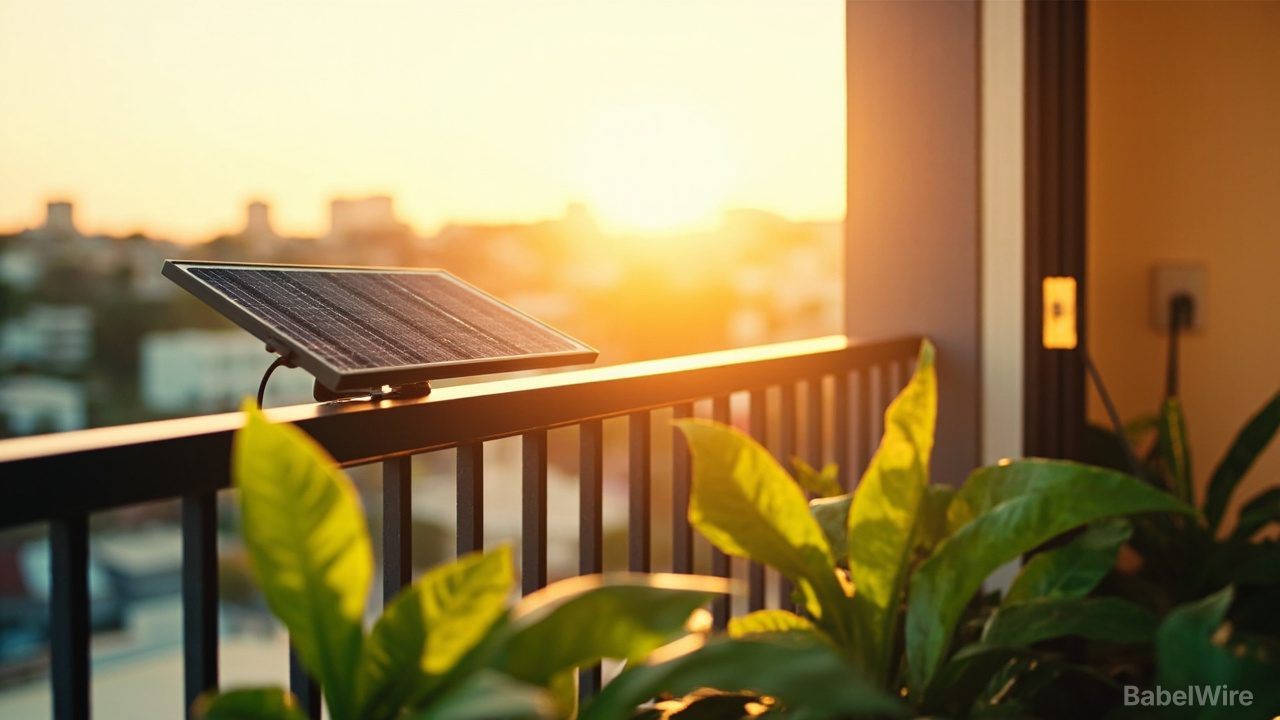
The concept is simple: a small solar panel wired to a microinverter plugs into a regular wall socket, shaving the electricity bill without a rooftop installation, permits or an electrician. In Europe, such 'balcony power plants' are a fixture of apartment life; in the US they long sat in a regulatory gray zone.
That is changing fast. Utah passed the first state law in early 2025, and The New York Times reported in July that ten states had since legalized plug-in systems — among them Colorado, Maine, Virginia and Maryland — typically with wattage caps and requirements for certified equipment. More states are debating bills this session, and mainstream retailers increasingly stock the kits.
Utilities and some code officials remain wary, citing backfeed safety, metering and anti-islanding concerns. The certified microinverters, output caps and registration rules written into state laws are designed to answer exactly those questions — part of the reason even utility-focused publications now describe plug-in solar as a solution both sides can agree on.
Why it matters: plug-in kits will not power a whole home, but they turn solar from a construction project into a consumer product, hand renters a way into a market rooftop panels can't serve — and give the US a live experiment in how fast distributed energy can grow once the paperwork disappears.
Sources
- theverge.comDIY plug-in solar gains momentum in the US — The Verge
- nytimes.comPlug-In Solar Panels Are Starting to Sprout in U.S. Backyards — The New York Times
- utilitydive.comThe plug-in solar solution that utilities and lawmakers can agree on — Utility Dive
- wri.orgHow States Can Unlock Affordable Plug-In Solar — World Resources Institute