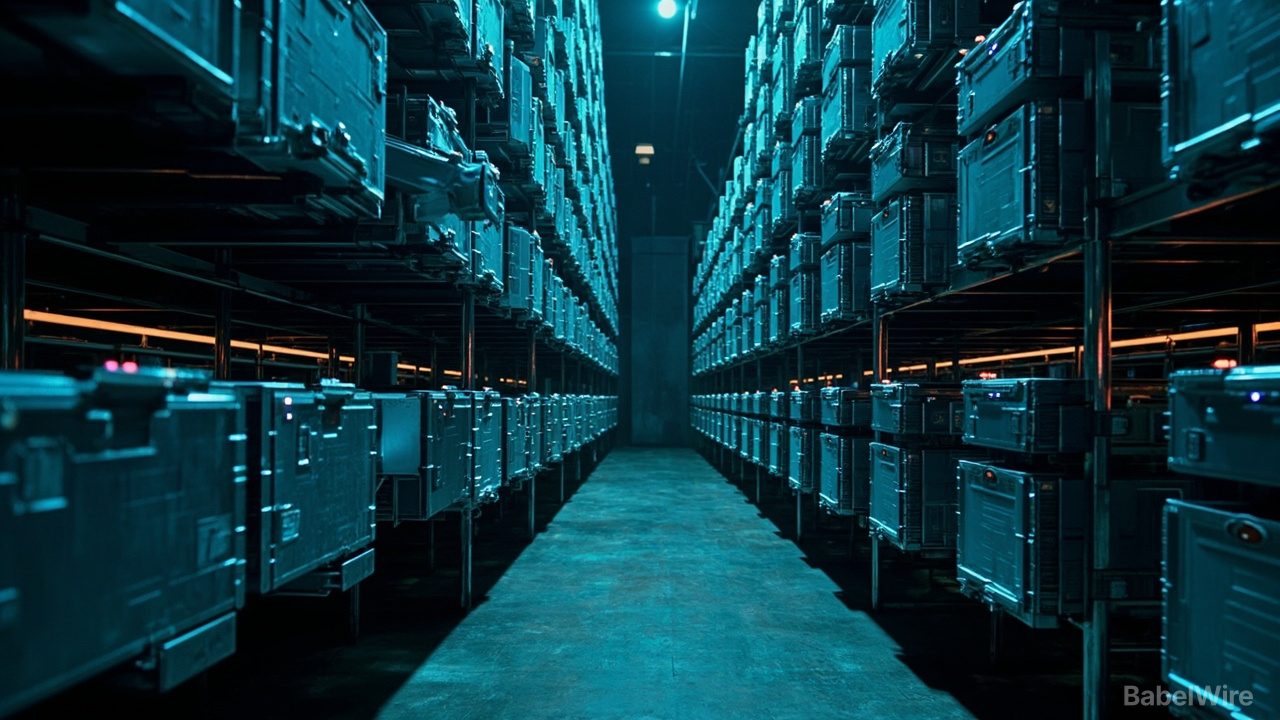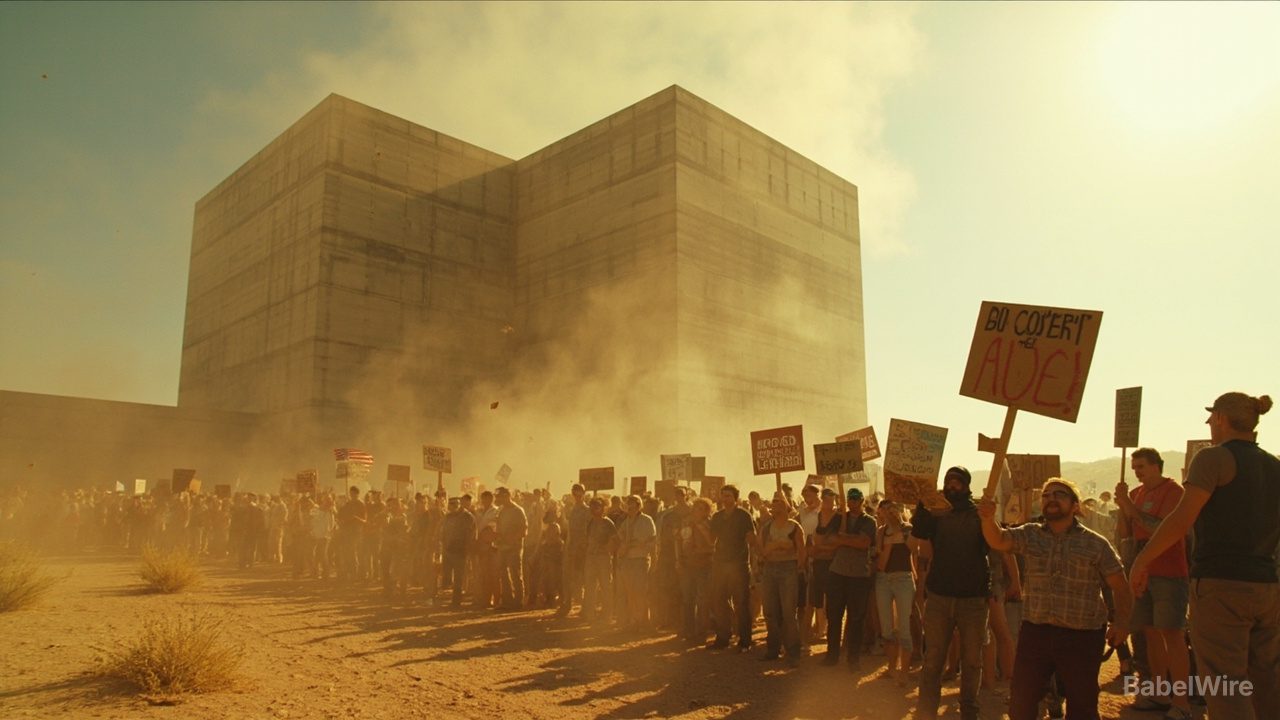
Opponents of the rapid buildout of data centers held 142 protests across 42 U.S. states on Saturday in the first nationwide effort to channel anger at the AI infrastructure expansion that has reshaped local politics over the past year.
The protests were coordinated by HumansFirst, co-founded by a former leader of the Tea Party movement. Organizers demand transparency, resource safeguards, community benefits including well-paying union jobs, and accountability for developers.
"They just woke up one day and found out they're going to have this monstrosity in their community, and they don't want it," said Amy Kremer, HumansFirst co-founder, who predicted data centers will be a defining issue in November's midterm elections and the 2028 presidential race.
Only 14% of Americans would support a data center being built in their community to support AI projects for tech firms such as Meta, Alphabet, Amazon, Microsoft and Elon Musk's xAI, according to a June Reuters/Ipsos poll. Just a third of Americans approve of the current pace of data center construction.
Texas, a hotspot for data center development and a Republican stronghold, hosted 18 protest events — the most of any state. The battleground state of Georgia had 11 rallies. Democratic-dominated California had eight.
In Fredericksburg, Virginia, one protester carried a sign reading, "We thrive on water not data." In Imperial County, California, a proposed data center project could use 260 million gallons of water per year from the Colorado River.
"It's dystopian that you would use this much fresh water for AI," said Ivan DelSol, 54, who helped lead a protest in the California desert where temperatures soared above 100°F (38°C).
The protests highlight a growing tension between the explosive demand for AI computing power and the local communities bearing the environmental and infrastructural costs. Data centers consume enormous amounts of electricity and water, and their rapid construction has triggered backlash from rural towns to major cities.
Josh Levi, president of the Data Center Coalition, said the industry is "continuing to work with policymakers, stakeholders, and residents to ensure data centers strengthen, not strain, the areas where they operate."
Data center opposition is among the few issues uniting Americans across ideological lines, drawing together rural conservatives concerned about land use and environmental activists worried about carbon emissions and water consumption.