CancerVax, a preclinical biotech company based in Lehi, Utah, has reached a significant milestone in its effort to develop a universal cancer treatment. In studies announced August 6, 2026, the company showed that its Smart mRNA platform can successfully disguise cancer cells as virally infected cells and activate the body's existing immune defenses against them.
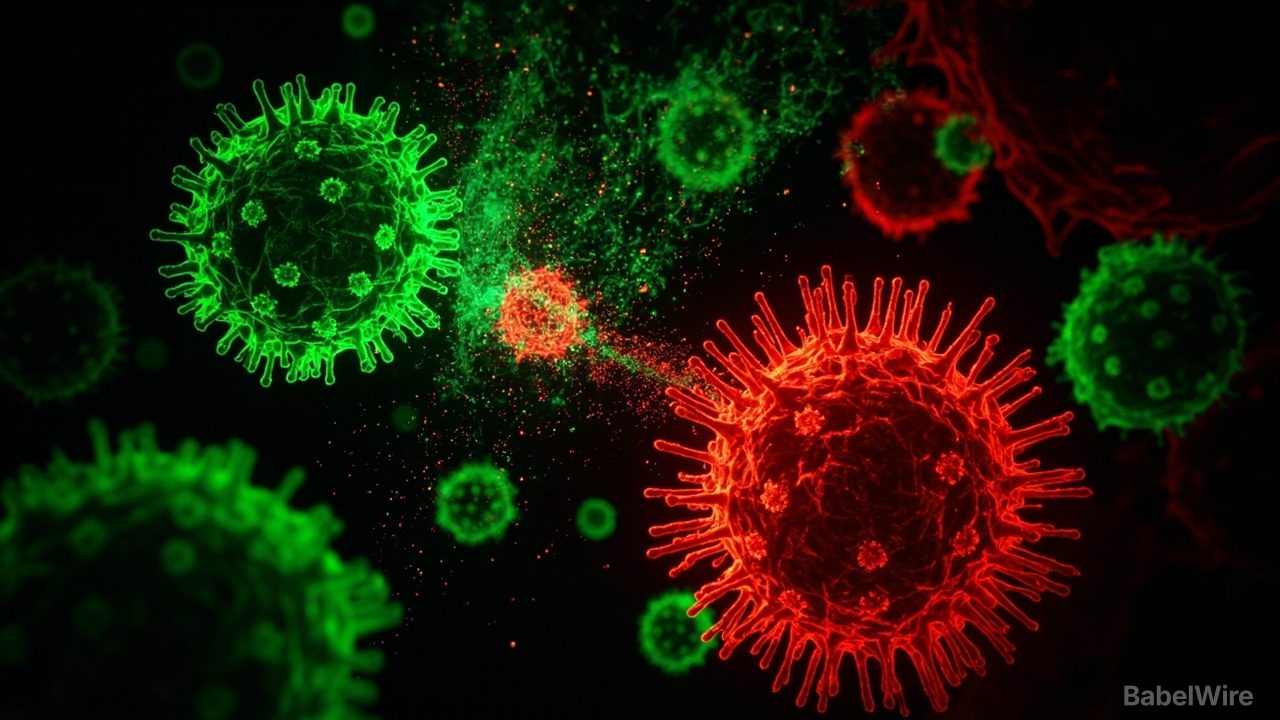
The approach is built on a simple insight: most people carry memory CD8+ Killer T-cells from past vaccinations or natural infections, sometimes for decades. These T-cells circulate in the body ready to destroy cells that display viral markers. CancerVax designed a Polyepitope Smart mRNA that, once activated inside a cancer cell, instructs that cell to produce proteins normally associated with viruses like measles and influenza. The cancer cell now looks infected, and the immune system attacks.
In the latest study, the team tested their full therapeutic nanoparticles against a known liver cancer cell line along with human Peripheral Blood Mononuclear Cells (PBMCs) from real donors. Using an ELISpot assay, which counts individual T-cells releasing interferon-gamma, they confirmed that CD8+ Killer T-cells were strongly activated in a statistically significant manner.
Critically, the researchers validated the mechanism through careful controls. When they stripped out CD4 T-cells, the response held. When they stripped out CD8+ T-cells, activation disappeared, confirming exactly which cells were responsible.
The Polyepitope Smart mRNA was specifically designed to activate Killer T-cells against common diseases, and computational analysis confirmed it can activate pre-existing viral immunity in 99 percent of the world population. The company describes this as a shotgun approach to immune activation.
CancerVax is still in preclinical stages and has not yet tested the therapy in humans. But the successful activation of real human immune cells against disguised cancer cells marks an important biological validation of the platform's core mechanism.
Sources: BioSpace (Aug 6, 2026); CancerVax press release; Business Insider (Aug 2026).