Cancer-fighting drugs called bispecific antibodies are having a moment. In the past five years, the number approved by global regulators has grown from 3 to more than 20, and the drugs generated $18 billion in sales in 2025, according to Christian Klein, who developed such therapies at Roche and is now launching his own biotechnology firm.
"Bispecifics have really kind of exploded," says Paul Carter, who develops antibody therapies at Genentech. "There are more flavours of bispecifics than Ben and Jerry's ice cream." The molecules bind to two targets at once rather than the standard one, and most approved versions are 'T cell engagers' that grab both a protein on cancer cells and a receptor on immune T cells, forcing the immune system to attack the tumour. At least 12 such engagers have been approved for cancers including leukaemia and myeloma.
Bispecific antibodies were first described more than 50 years ago, but the first treatment was only approved in 2009, partly because producing the molecules in the lab was notoriously difficult. "They would all come out as aggregated balls of garbage," recalls Jamie Spangler, a bioengineer at Johns Hopkins. "With better tools and resources for protein production, we can dream up these molecules and make them happen."
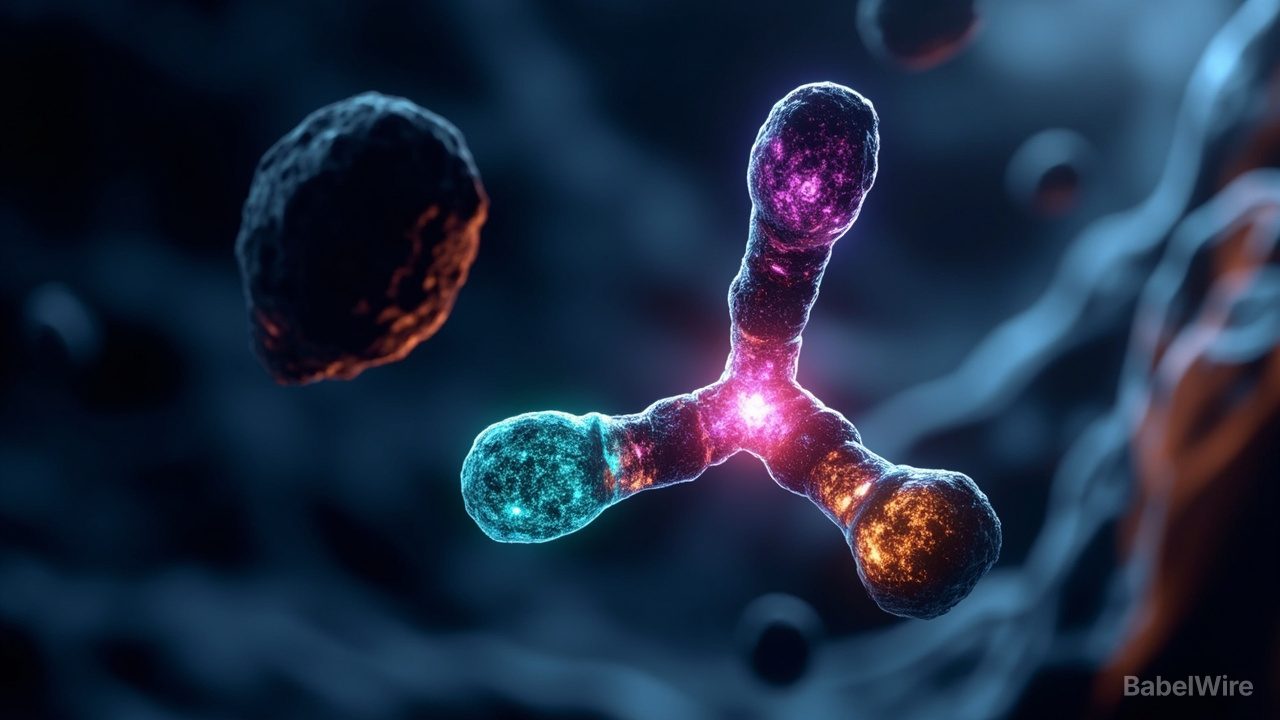
Now that success — along with advances in protein production and artificial intelligence — is spurring efforts to create 'multispecific' antibodies that bind to three or more targets. At the American Association for Cancer Research Drug Discovery and Development meeting in Boston at the end of July, researchers presented multispecific-antibody cancer therapies that could be less toxic to healthy cells, more effective against tumours and better able to counter cancer's ability to become resistant to treatment.
Scientists are also designing 'switches' that prevent a therapy from acting until it reaches the right place, and using a growing understanding of tumour biology to engineer responses that earlier versions could not deliver. "We're getting to this point where we're starting to understand biology at a completely different level," says Daniel Chen, CEO of Synthetic Design Lab. "For the field of multispecifics, it really comes down to being able to understand biological complexity well enough to engineer them."