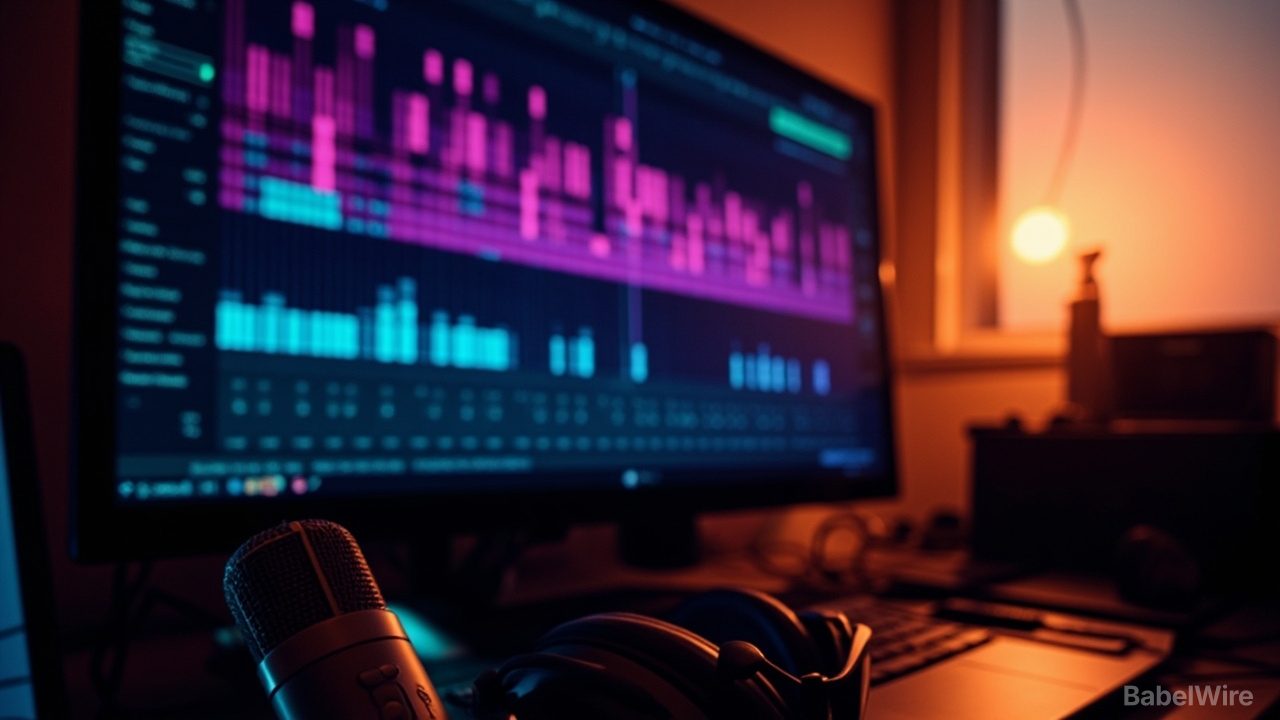
Audacity 4 is here, and it is a ground-up revamp of the free, open-source audio editor that calls itself the "world's most popular audio editing and recording app" — modernizing an interface that had stayed stubbornly unchanged since the early 2000s.
The headline change is non-destructive editing. Clips can be trimmed and later restored simply by dragging an edge back out, and clips can now overlap, so audio can be pasted and moved around the timeline freely, without stopping dead at the edge of an existing clip as in older versions. Users can split clips to chop up and rearrange audio easily, and the developers refreshed clip envelopes and the built-in effects.
The update also adds a new home screen with revamped project organization and a visual overhaul that brings Audacity in line with Muse Group's other software, such as MuseScore and Audio.com, complete with customizable themes.
Audacity first appeared in 2000 and became a staple of podcasters, musicians and hobbyists, but features were often bolted onto an aging design over the years. Version 4, released Thursday by Muse Group, moves the tool much closer to a modern digital audio workstation (DAW).
The release follows a mini-controversy last year, when an early version of a redesigned logo circulated online and drew criticism; the final icon in version 4 is considerably toned down by comparison. The revamped app remains free and open source.