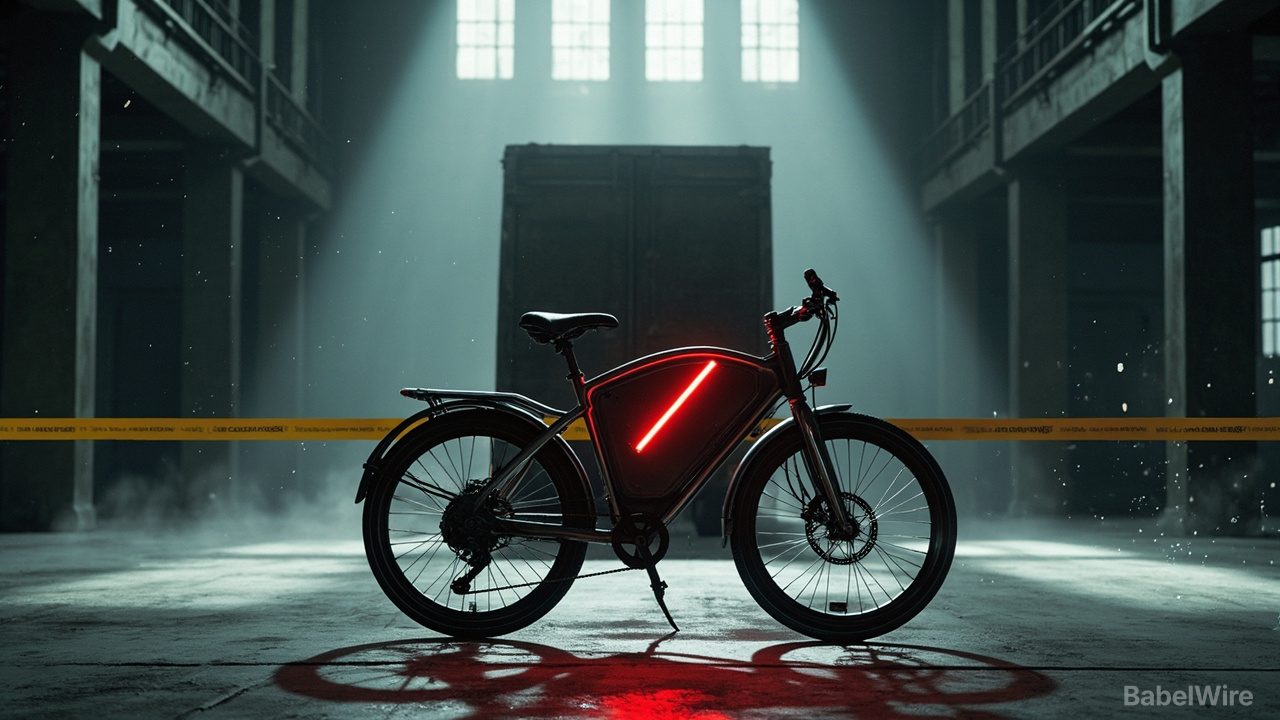
Also, the e-mobility company Rivian spun out to build consumer electric bikes, has paused deliveries of its first machine over battery and software problems.
It is the second time the young company has halted shipping. Earlier delays were attributed to the chip squeeze caused by demand for AI hardware; the current pause concerns the product itself — defects in the battery system and in the software that runs alongside it.
For a first-generation hardware product, that is the more serious category of problem. Chip shortages push a date; battery and software defects question whether the design is ready to leave a factory at all, and they typically require rework and retesting rather than a new delivery slot.
The episode is a useful reminder of what a spinout buys and what it costs. Also got Rivian's engineering culture and an association with a company that does know how to build vehicles; it did not get a finished product. Consumers who put money down for the TM-B are now waiting on a fix rather than a delivery date.



