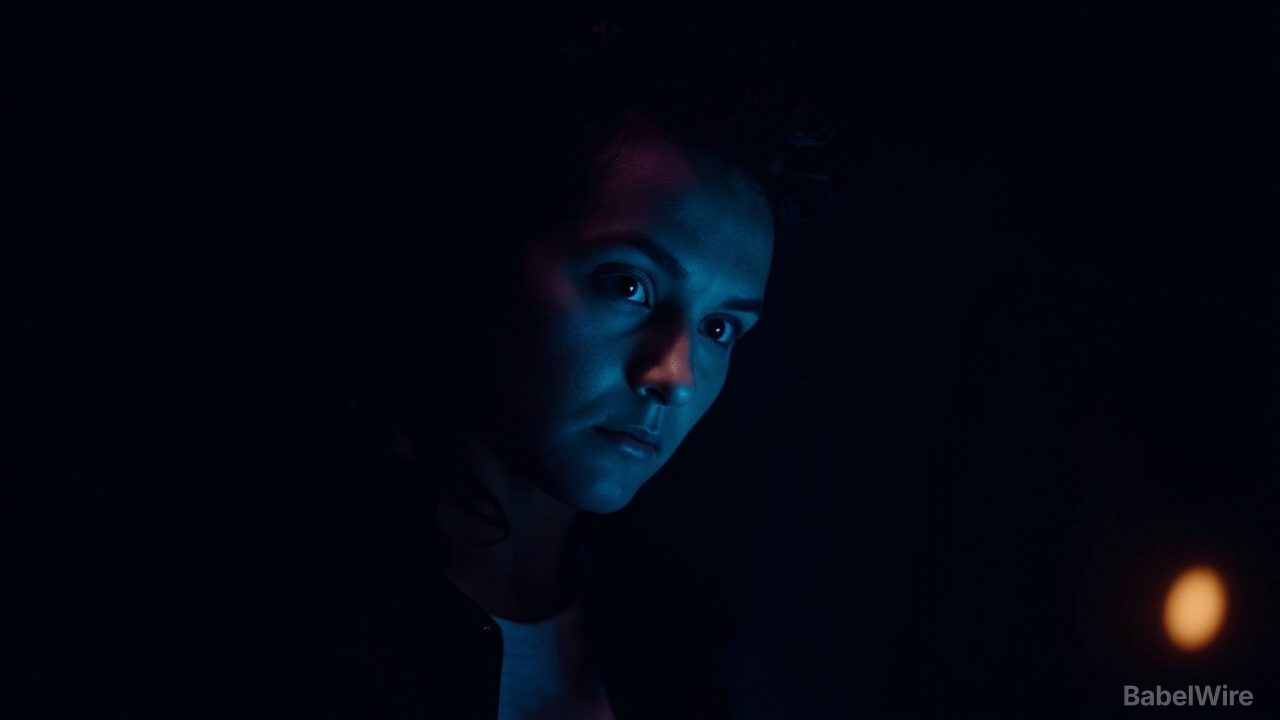
A preview of an upcoming Windows update is testing facial-recognition sign-in that works in the dark — chipping at one of the oldest complaints about sitting down at a PC at night.
Windows Hello's face unlock relies on an infrared camera rather than the ordinary colour one, which is why it can see an unlit room at all. In practice the feature has been uneven: users have reported for years that sign-in fails in dim conditions, that a monitor's own glow confuses the sensor, and that at bedtime the dependable option is still typing a PIN.
The preview build aims squarely at that gap, treating the failure to work in darkness as a defect to close rather than a hardware limit to work around. On paper it is a small change — no new camera, no new permissions — but it touches the very first interaction a person has with a Windows machine, and polish in that particular path tends to get noticed, because it is the moment the machine either feels reliable or does not.
As with anything in the preview pipeline, expect the implementation to shift before it reaches ordinary users. Microsoft routes changes like this through the Windows Insider channels first and only folds them into a cumulative update once the telemetry looks clean, so which build carries the fix, and which month it lands in, are not settled yet. For anyone who signs in without a PIN pad within reach, that is worth waiting on rather than guessing at.


