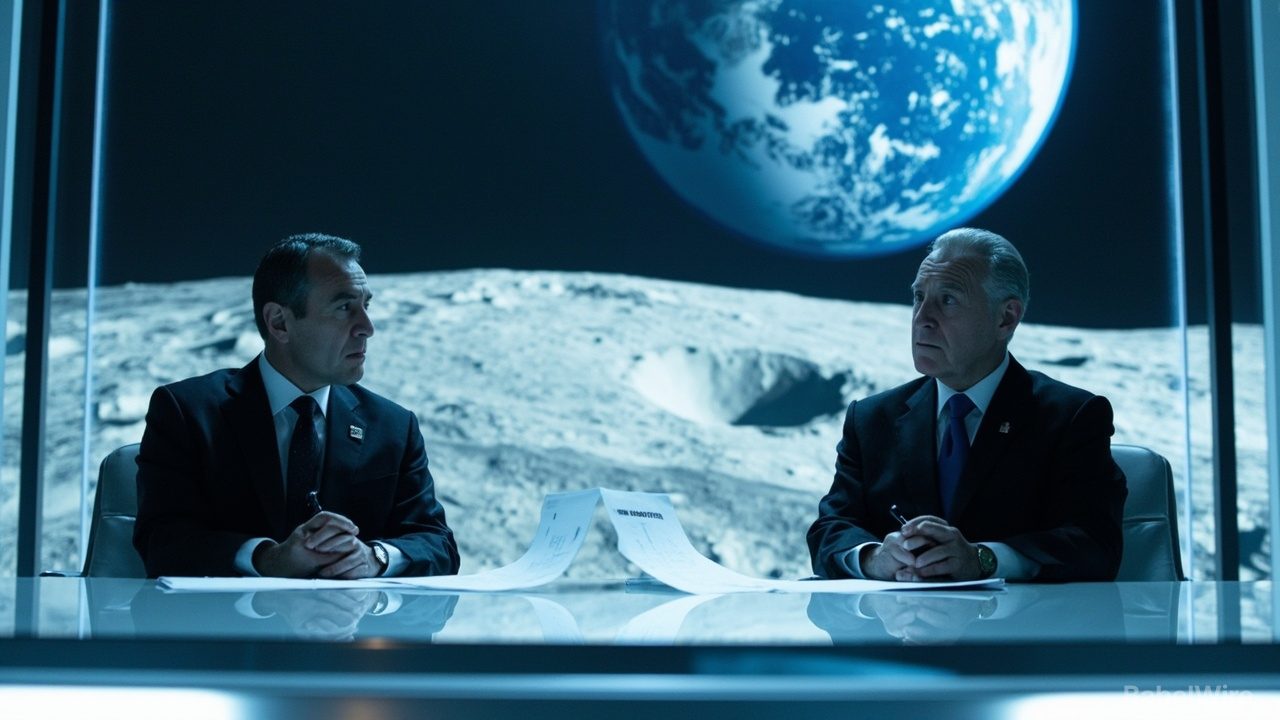
The 71st Signatory
Turkey officially joined NASA's Artemis Accords on August 31, signing the agreement at NASA Headquarters in Washington in a ceremony hosted by NASA Administrator Jared Isaacman. Turkish Minister of Industry and Technology Mehmet Fatih Kacır signed on behalf of the Republic of Türkiye, making it the 71st nation to commit to the international framework for peaceful lunar exploration.
"Welcome to the Artemis Accords, Republic of Türkiye," NASA announced on X following the signing.
What the Artemis Accords Cover
The Artemis Accords, first established in 2020, set out principles for responsible behavior in space, including commitments to peaceful exploration, transparency, interoperability, emergency assistance, and the release of scientific data. The accords also address the extraction and use of space resources, a provision that has drawn scrutiny from nations not party to the agreement.
The accords now count signatories across every inhabited continent, reflecting growing international consensus on norms for lunar and deep-space exploration.
Turkey's Space Ambitions
The signing aligns with Turkey's accelerating space program, which includes plans for a crewed lunar mission and growing domestic satellite manufacturing capabilities. Turkey's TÜBİTAK Space Technologies Research Institute has developed indigenous satellite systems, and the country launched its first national observation satellite, İMECE, in 2023.
The Geopolitical Context
Turkey's entry comes as competition over lunar resources intensifies between the Artemis Accords signatories and the China-Russia International Lunar Research Station (ILRS) coalition. With 71 nations now behind the Artemis framework and China's partnership growing in parallel, the next decade will likely see two distinct visions for lunar governance take shape.



