Tesla delivered a resounding message to skeptics on Thursday: the electric vehicle giant is far from done growing.
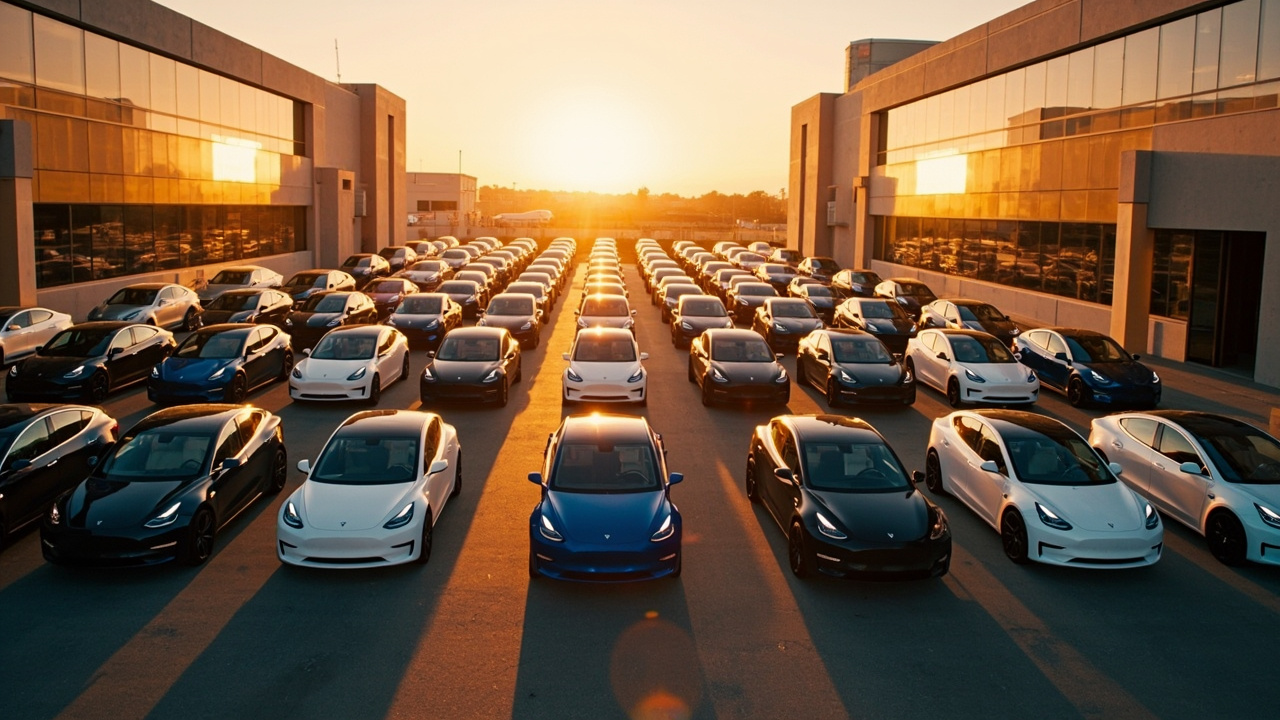
The company posted record second-quarter deliveries of 480,126 vehicles, easily surpassing the Visible Alpha consensus estimate of 402,776 and marking a 25% increase over the same period last year. The results shattered concerns that Tesla might be entering a prolonged slump, following two consecutive years of declining annual deliveries.
The rebound was driven overwhelmingly by Europe, where Tesla had suffered a significant sales drop in 2025, partly attributed by analysts to consumer backlash over CEO Elon Musk's far-right political affiliations. Several factors converged to reverse the trend: a surge in fuel prices, enhanced government EV incentives, faster electrification of corporate fleets, and the introduction of stripped-down, lower-cost variants of the Model 3 and Model Y.
"I think the huge growth in Europe is the key driver for Tesla right now," said Seth Goldstein, senior equity analyst at Morningstar. "U.S. sales still appear to be down, albeit less than the broader U.S. EV decline, while China is seeing small growth."
Tesla's U.S. sales remained strained following the removal of federal EV tax credits late last year. However, analysts noted that aggressive pricing and attractive financing options helped offset consumer hesitation. The company's China-made EV sales rose during the quarter, helped by production of the refreshed Model Y, despite intense competition from BYD and other domestic automakers.
A critical detail: deliveries exceeded production by more than 28,000 vehicles — 480,126 delivered versus 451,758 produced — allowing Tesla to draw down inventory that had built up during the first quarter. This signals healthy demand relative to supply.
Tesla shares initially climbed on the news but were down about 7% in midday trading, as analysts noted that optimism had been priced in following a 12% gain earlier in the week. The stock is nevertheless riding high on a $1.6 trillion valuation driven largely by Musk's ambitions in autonomous driving and AI, not just car sales.
The company expects to spend more than $25 billion on capital expenditure in 2026 — nearly triple the $8.5 billion last year — to expand AI infrastructure, battery production, Cybercab manufacturing, and Optimus robots.
Tesla will report its full second-quarter financial results on July 22 after markets close.