Also, the micromobility spinoff from electric vehicle maker Rivian, has publicly apologized for significant delays in delivering its highly anticipated TM-B e-bike, attributing the hold-up to supply chain challenges exacerbated by the global AI boom.
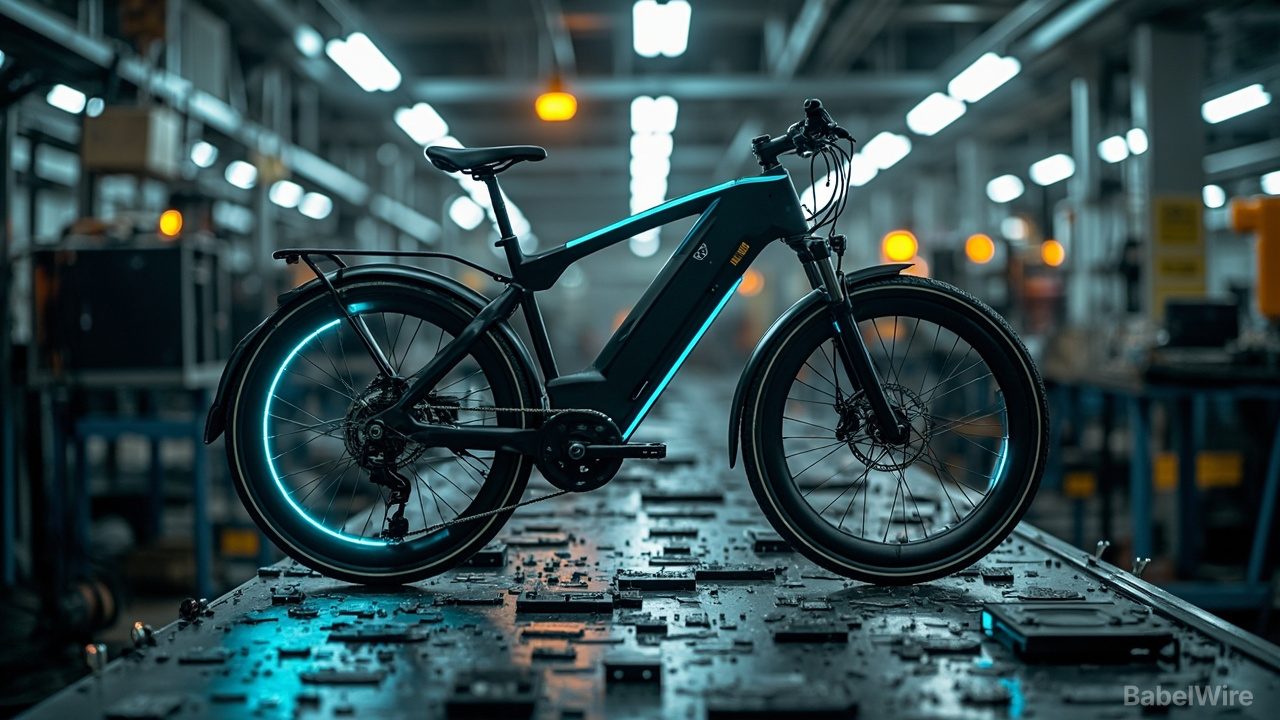
The TM-B, unveiled last year with a $4,500 price tag, immediately stood out for its radical design: a USB-C chargeable battery, removable seat post, and a software-controlled pedal-by-wire system unlike anything else on the market. But those same high-tech features have created unexpected manufacturing bottlenecks.
Saul Leiken, Also product manager, posted a 661-word letter on Reddit addressing frustrated reservation holders. He attributed the delays to significant supply chain challenges caused by the AI boom insatiable demand for printed circuit boards and integrated circuits. In some cases, the team has had to source alternative materials that deviate from the original design, requiring additional engineering and testing cycles.
The TM-B battery has also presented technical hurdles that needed resolution before production could begin. Originally promised for spring 2026 delivery, the timeline slipped to summer, and now with fall approaching, not a single unit has reached a customer.
The situation illustrates a growing tension in the hardware world: as AI companies consume ever-larger shares of semiconductor fabrication capacity, smaller hardware manufacturers, even those backed by a major EV company like Rivian, are being squeezed out. The shortage is not limited to cutting-edge chips; even commodity PCBs and standard ICs are harder to source as AI server demand absorbs manufacturing bandwidth.
Also predicament is particularly notable because Rivian has positioned itself as a premium technology company. The TM-B was supposed to demonstrate that software-first thinking could revolutionize personal transportation. Instead, it has become a case study in how the AI supply chain crunch affects not just AI companies themselves, but the broader hardware ecosystem.